Ensuring the Right to a Fair Trial in the HACCJ Practice: Discussion on Process Standards
9 December 2025 13:57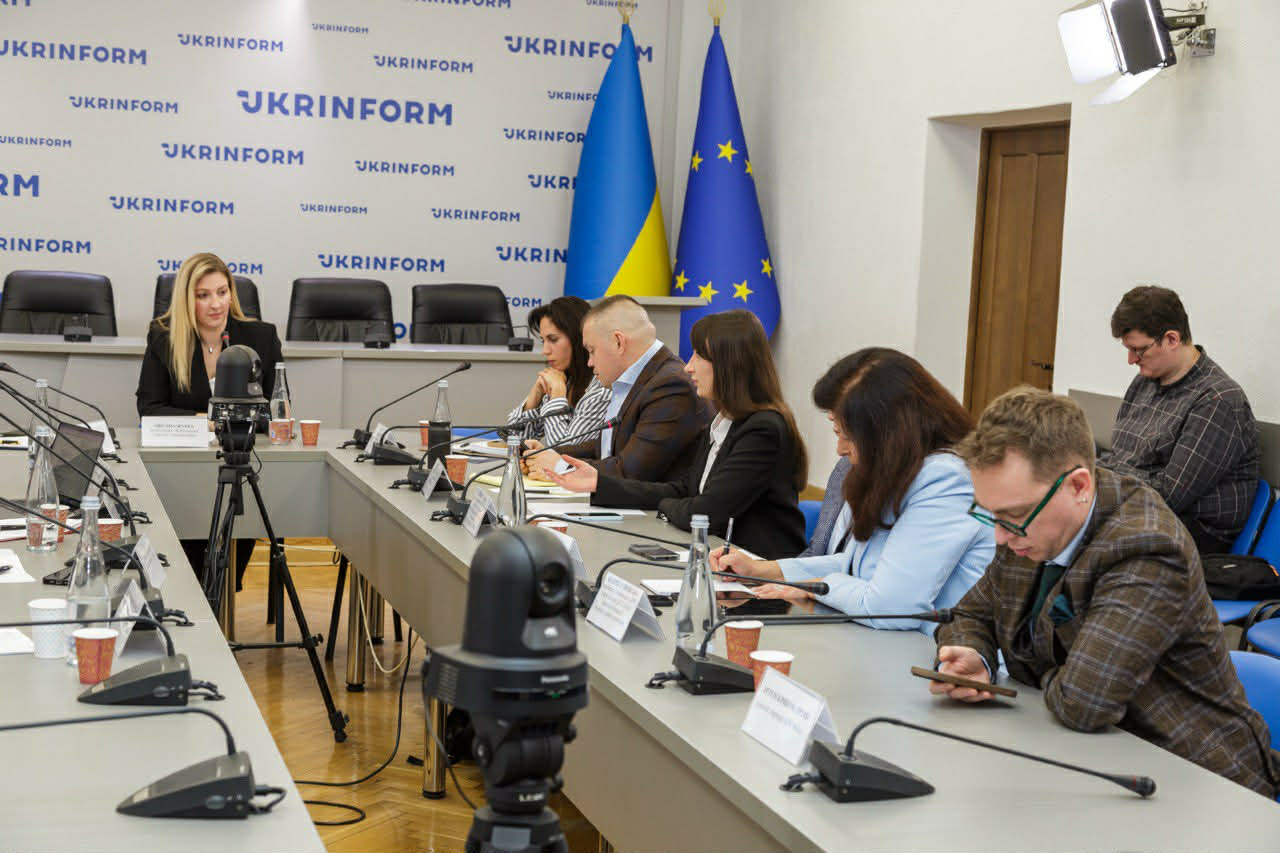
on December 3, Kyiv hosted a roundtable discussion “Ensuring the Right to a Fair Trial in the Practice of the HACC (High Anti-Corruption Court of Ukraine),” organized by Yurydychna Gazeta. The event was attended by judges, lawyers, human rights activists and representatives of monitoring missions, "Komersant Ukrainian" reports.
The participants discussed the six years of HACC’s work, the impact of changes to the CPC (Criminal Procedure Code of Ukraine) on the standards of proof, the real competitiveness of the parties, access to pre-trial investigation materials, and equality of procedural opportunities.
The moderator of the event, Yurydychna Gazeta editor Oksana Zhurba, emphasized that trust in the HACC (High Anti-Corruption Court of Ukraine) is an indicator of trust in the entire anti-corruption system of Ukraine. Judge-Speaker of the HACC Appeals Chamber Andriy Nikiforov emphasized that the court operates under martial law and dynamic changes in legislation.
The courts cannot “take sides” with any participant in the process, and the balance between the rights of the accused and the interests of society is ensured within the limits of their powers and procedural rules.
Anastasiia Alekseeva, representative of the IAC ISHR monitoring mission, presented statistics and named the two biggest problems recorded in 2025:
- admission of questionable evidence – 24.2% of cases;
- violation of the principle of equality of parties – also 24.2%.
Examples include situations where the court postponed the assessment of obviously inadmissible evidence for a “meeting room”, which forms an internal conviction before a legal assessment.
Separately, the monitoring recorded the automatic extension of preventive measures and the difference in indicators between the HACC and the HACC AP (High Anti-Corruption Court Appeals Chamber).
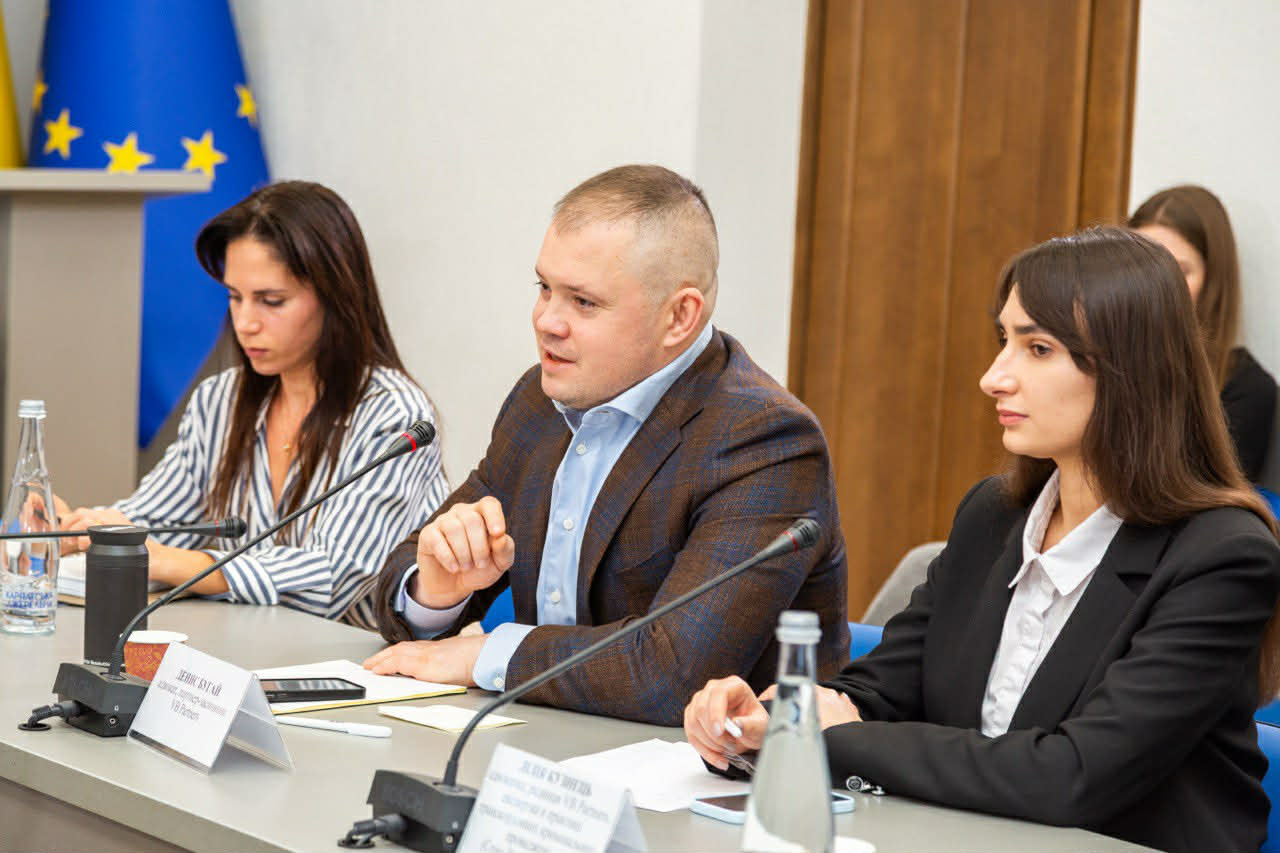
Denys Bugay, founding partner of VB Partners, noted the high level of openness of the HACC (High Anti-Corruption Court of Ukraine) and the quality of court decisions, but drew attention to systemic risks:
- decrease in respect for the right to defense;
- playing along with the prosecution;
- “bail races” and an exclusive approach to in absentia;
- formation of the evidence base through urgent searches;
- cases of judicial populism in communications.
Taras Poshyvanyuk, Partner at EQUITY, called the lack of unity of judicial practice a key problem: HACCU (High Anti-Corruption Court of Ukraine) panels can make opposite decisions on the same grounds, and the legal positions of the Supreme Court often contradict each other.
ARIO partner Yevhen Hrushovets drew attention to the ignoring of objective reasons for the absence of one of the defense counsels and the practice of “leaking” materials of criminal proceedings on Telegram channels, which affects all participants in the process.
Lilia Kuznets, counsel at VB Partners, cited a case in France where the court refused to extradite a Ukrainian businessman due to the risk of violating Article 6 of the Convention (Fair trial). The court found that the requesting party was not able to guarantee a fair trial.
This decision was a signal that Ukrainian courts should strengthen judicial control and minimize procedural abuses.

Volodymyr Klochkov, Managing Partner of Klochkov & Partners, noted that the HACC sets a high level of standards, but it is within the process that we see the deformations that change the balance between the prosecution and the defense. According to the lawyer, this is especially evident in the high-profile case of former Supreme Court Chief Justice Vsevolod Kniazev.
When part of the NSDI (Non-public (Secret) Investigative Actions) materials is not provided to the court, and searches are legalized after the fact, these are not procedural trifles, but fundamental violations that directly affect the right to a fair trial.
Secrecy is increasingly being used as a formal ground to conceal materials that have already been disclosed to the defense at the stage of Article 290 of the CPC. This is contrary to both national legislation and the ECHR’s conclusions, which explicitly state the obligation to fully disclose evidence.
A separate problem is interference with the privileged communication between a lawyer and a client. The NSDI covers conversations that are directly protected by Article 8 of the Convention, and this systematically eliminates the guarantees of protection, lawyers point out.
When key evidence is formed as a result of an emergency search without judicial control and then retroactively authorized, “it is not about adversarialism, but about the actual simplification of proving the prosecution.”

During the discussion, the participants agreed that:
- The HACC has been formed as an institution,
- but systemic procedural risks require public discussion,
- ECHR (European Court of Human Rights) standards should be applied not in a fragmented manner, but as a complete methodology,
- strengthening judicial control at the pre-trial stage and uniformity of practice are key conditions for ensuring the right to a fair trial.