Blocked, but not for everyone: Iran continues to transport its own oil through the Strait of Hormuz
18 March 16:19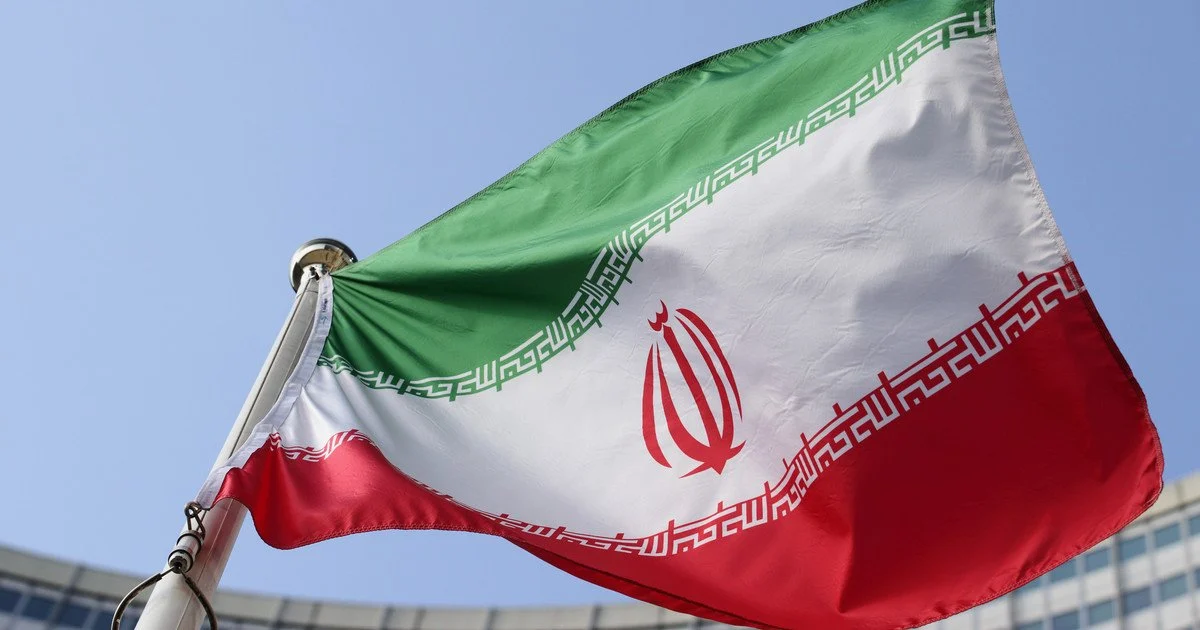
Iran continues to transport its own oil through the Strait of Hormuz at rates that are nearly on par with pre-war levels. By controlling the strait, Tehran ensures its own transit, while exports from other countries have come to a halt.
This is reported by Bloomberg, as cited by [Komersant].
According to data from the intelligence firm Kpler Ltd., Iranian crude oil exports through the corridor account for nearly three-quarters of the 27.2 million barrels that have left the Persian Gulf since March 1.
This amounts to about 1.2 million barrels of crude oil per day for Tehran, compared to a pre-war daily level of 1.5 million barrels.
At the same time, shipments from other countries in the region have fallen to a critical 400,000 barrels per day, although in peacetime this figure averaged 14 million barrels.
Analysts note that Tehran has managed to protect its own tankers while significantly limiting the capabilities of other exporters, which is driving a sharp rise in global energy prices.
U.S. Response
Due to the de facto blockade and the disappearance of actual oil volumes from the global market, the Pentagon launched attacks on missile sites near the Strait of Hormuz.
U.S. President Donald Trump called on international allies to join in ensuring the safety of shipping in the region.
Kpler Senior Analyst Muyu Xu called the current situation the worst disruption of oil flows in history, which could lead to a global drop in demand in the coming weeks.
The state of Iran’s export infrastructure
Despite U.S. strikes on export hubs, crude oil loading on Iran’s Kharg Island continues without significant disruption. Sentinel Hub satellite imagery confirms the presence of tankers at the island’s berths over the past week.
Overall, oil flows through the strait have stabilized at 500,000 barrels per day, which, according to Goldman Sachs estimates, represents a 98% drop in total transit volumes compared to the pre-war period.