“Protection Only on Paper”: A Prominent Diplomat on Whether NATO Will Abandon Europe
3 April 18:01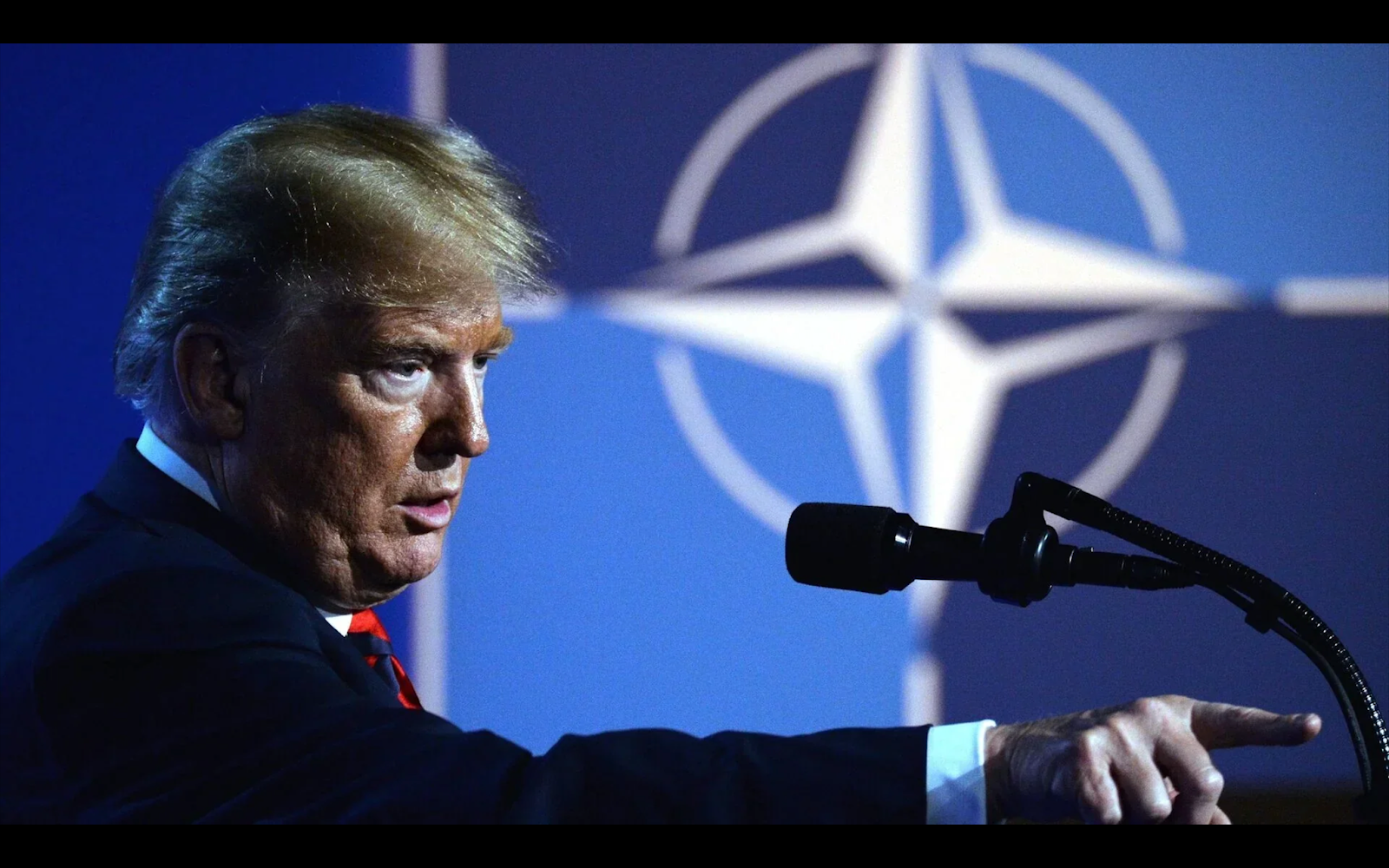
Donald Trump’s bold statements about a possible U.S. withdrawal from NATO have once again sent shockwaves through Europe and capitals around the world. Billions invested in collective security and decades of military cooperation suddenly cast doubt on the reliability of the American “security umbrella.” Allies are accelerating the buildup of their own defense capabilities, and analysts are talking about a potential rethinking of the entire architecture of transatlantic security. Could the U.S. leave NATO? Could Trump’s American nuclear “umbrella” really turn out to be a paper one? And what does this mean for the transatlantic alliance and Ukraine?
Legal framework: a procedure that does not depend on a single person
The actual mechanisms for the U.S. to withdraw from NATO are significantly more complex than they may appear in public rhetoric. In an exclusive commentary
The basis for NATO’s operation is the Washington Treaty, which defines, among other things, the procedure for states to withdraw from the Alliance. According to Article 13, a member state may initiate the withdrawal procedure by officially notifying the United States government. After that, one year must pass before membership is actually terminated.
At the same time, in the case of the United States itself, this procedure appears legally ambiguous.
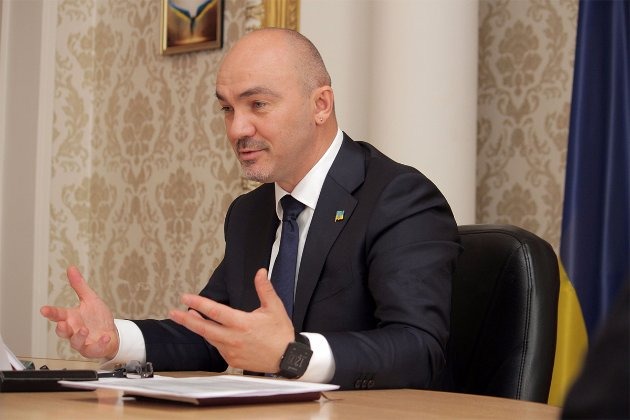
“It’s hard for me to imagine how the U.S. government would notify the U.S. government of its withdrawal from NATO. Moreover, the U.S. itself is the depositary of the Alliance—that’s where all the legal documents are kept,” notes Jijora.
An additional constraint is U.S. legislation. Since 2023, a provision has been in effect in the U.S. stipulating that withdrawal from international organizations of this level requires congressional approval.
“This requires the support of at least two-thirds of Congress. In other words, even theoretically, this decision cannot be made unilaterally,” explains Volodymyr Dzhyzhora.
Thus, the legal procedure effectively makes a rapid or unilateral withdrawal of the U.S. from NATO impossible.
Political rhetoric and practical actions
Trump’s statements are not a new phenomenon in international politics.
“It’s his style—to raise the stakes in relations with allies. But such statements don’t necessarily translate into practical steps,” says Dzhyzhora.
Moreover, in many cases, the U.S.’s actual actions indicate that cooperation within the Alliance is being maintained and even strengthened. As an example, the vice president of the United Confederation of NATO Reserve Officers cites the holding of key NATO meetings on U.S. soil, which requires political support from the American leadership.
“Political statements often diverge from practice—sometimes even to the opposite,” adds Jijora.
Despite the lack of immediate legal consequences, such statements affect the perception of the U.S. as a partner.
“They damage the reputation because they create the image of an unpredictable ally that may not fulfill its commitments,” emphasizes Jijora.
This, in turn, forces other NATO countries to consider potential risks and adapt their own security policies.
An Alternative to Withdrawal from NATO: Financial and Political Pressure
Gijora considers the most realistic scenario not to be the U.S. leaving NATO, but rather a partial distancing. The United States could, for example, reconsider its participation in funding the Alliance.
“Although the U.S. might attempt to suspend its contributions to NATO’s civilian and military budgets (where its share currently stands at about 16%), such a move would pose a serious challenge to the Alliance. It could be interpreted as a departure from the principles of collective responsibility and the legal obligations the country voluntarily assumed as a co-founder of NATO, calling into question its commitment to shared security values,” – Volodymyr Dzhyzhora
Such steps could be accompanied by political signals regarding the need for greater responsibility on the part of European allies for their own security.
The “American umbrella” is in question
At the same time, Dzhyzhora draws attention to another aspect—trust in U.S. security guarantees. In his view, NATO is often perceived as a collective mechanism, but in reality it relies heavily on American military and nuclear power.
“It’s not NATO that’s a paper tiger—it may turn out to be the American security umbrella,” notes Volodymyr Dzhyzhora
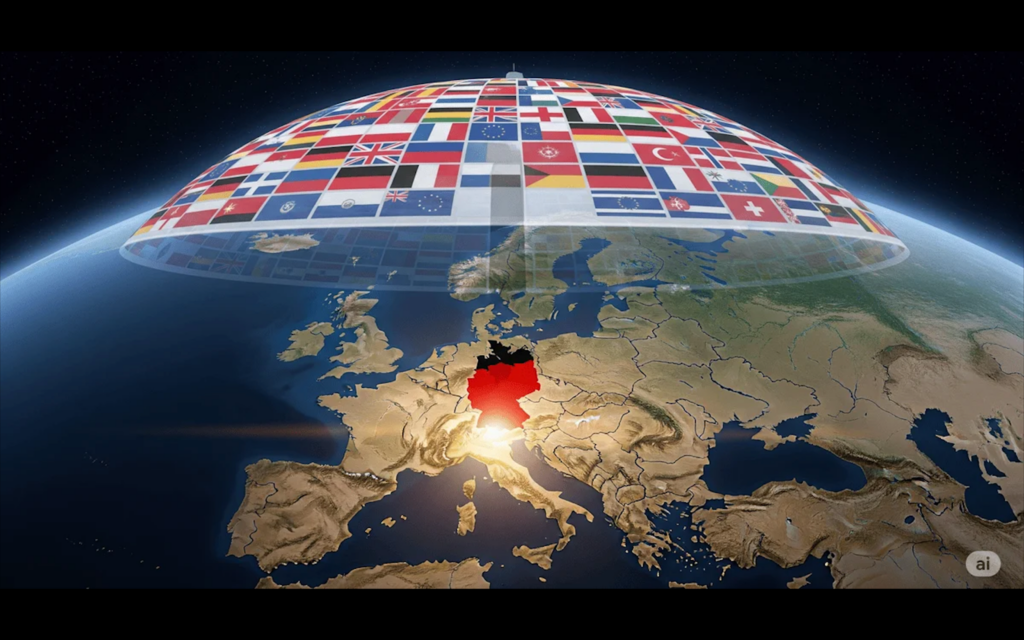
He emphasizes: events in the Middle East have shown that even U.S. allies do not always receive the expected level of protection. A similar scenario is theoretically possible for European countries as well.
Europe is preparing for autonomy
Against the backdrop of these risks, Europe has already begun moving toward greater defense autonomy. According to the vice president of the United Confederation of Reserve Officers of NATO Countries:
- European countries are investing in their own defense-industrial complex
- gradually reducing their dependence on the U.S.
- are expanding joint defense initiatives
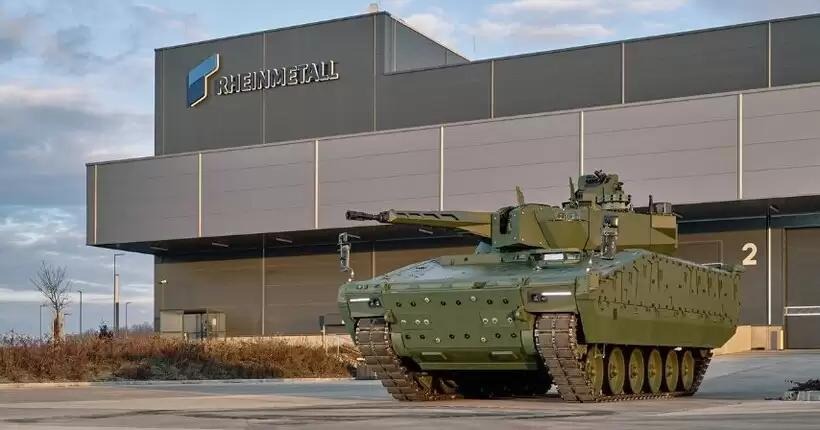
This could have serious consequences for the American economy as well. After all, more than half of U.S. arms exports go to European allies.
Consequently, a weakening of the U.S. role in NATO could undermine the entire transatlantic alliance. This concerns not only military cooperation but also the broader alliance of democratic nations standing against authoritarian regimes.
“This would weaken the global connection between the world’s strongest democracies,” Gijora emphasizes.
At the same time, the Alliance will not disappear—on the contrary, it may transform.
Specifically, this involves:
- deepening cooperation with countries outside Europe
- potential rapprochement with Japan, Australia, and New Zealand
- a shift from a regional to a global security framework
Such changes are already partially taking place against the backdrop of geopolitical challenges and U.S. policy. Despite the loud statements, Gijora urges against dramatizing the situation. In his view, Trump’s rhetoric is more of a signal to allies than an immediate threat of NATO’s collapse.
However, it is already having consequences: it is pushing Europe toward greater autonomy, forcing a reevaluation of security strategies, and spurring the formation of new alliances.
So even if the U.S. does not withdraw from NATO, the mere possibility of such a scenario is reshaping the global security architecture. And these changes have already begun.