Wheat harvest disrupted: what’s behind the worst start to the export season in years
29 July 2025 22:09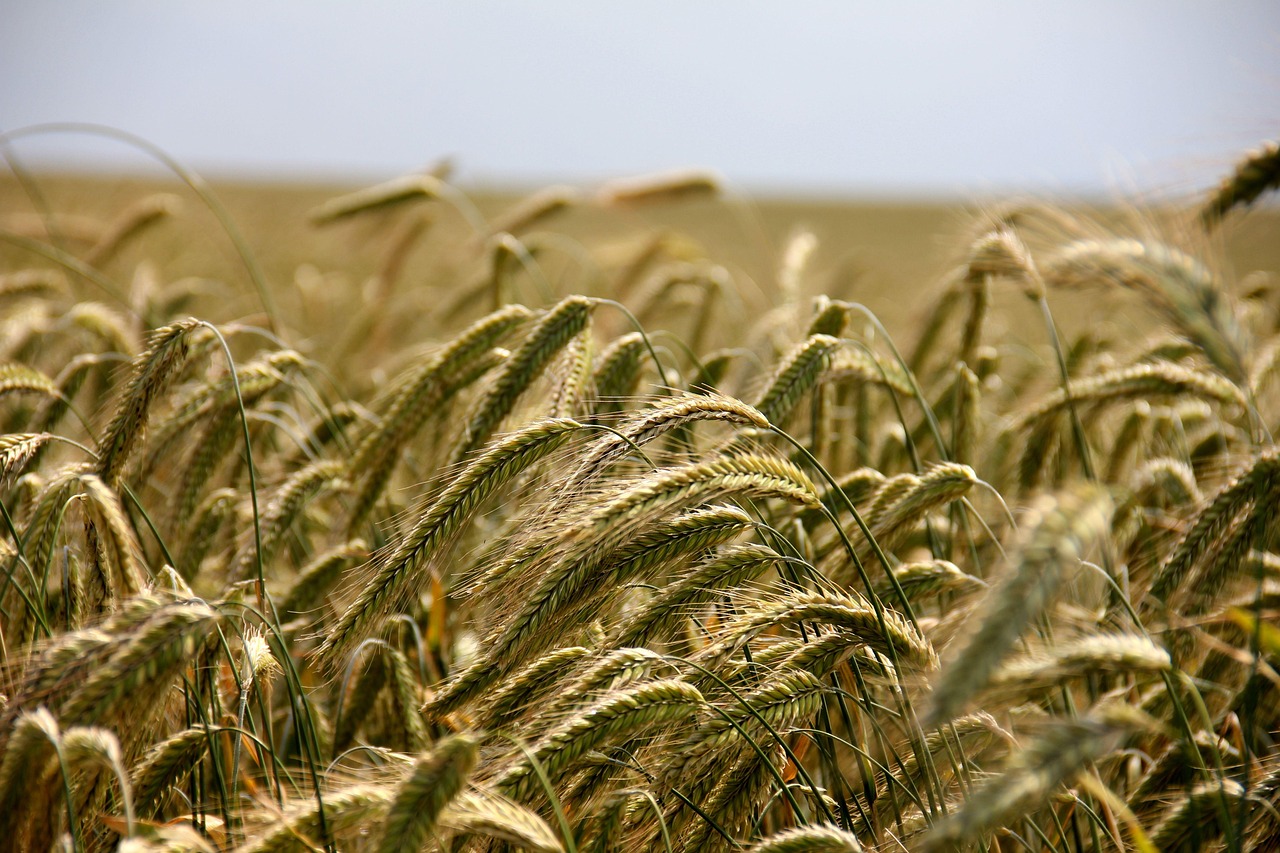
Delayed harvesting campaign and unstable grain quality due to rains remain the main challenges for the Ukrainian wheat market in the middle of summer 2025. As of July 28, Ukraine has exported only 408 thousand tons of wheat, which is 3.5 times less than in the same period last year. This is reported by "Komersant Ukrainian" with reference to the online portal GrowHow.in.ua.
This year’s export season started the slowest in recent memory. The reasons for this decline are obvious:
- serious weather anomalies that prevented farmers from harvesting their crops on time;
- a decline in yields, which is related not only to climatic conditions but also to the general depletion of soils and lack of resources for their restoration.
How rains in the west and drought in the south are destroying the 2025 harvest
Currently, only 44% of the area allocated for wheat has been threshed in Ukraine. This is significantly lower than in previous years. For the market, such figures mean not only limited supply but also difficulties in forming high-quality export batches. The heavy rains in late July not only halted field work but also increased the risk of Fusarium contamination of grain, which negatively affects its food quality. Grain quality is now a major factor in price stability: traders fear a shortage of milling wheat that meets standards for export to the EU, the Middle East and North Africa.
Although increased harvesting in the central and southern regions has partially balanced the situation, the market remains volatile. Purchase prices fluctuate depending on the quality of the batches and the speed of delivery. Market participants note that logistics costs are rising, and competition between traders for quality grain is intensifying.
What are the challenges facing Ukraine’s grain market?
A separate problem is the declining interest in forward contracts. Due to uncertainty about the quality and volume of the harvest, farmers often refrain from making early commitments, preferring to sell grain after harvest. This complicates the work of exporters, who cannot predict the volume of shipments.
Read also: Ukraine expects the lowest wheat harvest in 13 years: causes and consequences
War and occupation as new systemic challenges for Ukrainian farmers
The full or partial occupation of four regions of Ukraine by the Russian Armed Forces also affected the performance of the domestic and global grain markets. For example, Zaporizhzhia region has turned from a breadbasket into a colonial raw material base with degraded production.
On average, during the harvest season, when the region was controlled by the Armed Forces of Ukraine, the gross harvest amounted to 3.21 million tons, and the yield was 31.8 c/ha. It was a time of agricultural growth, when the latest technologies were tested in the region, new grain varieties were planted, and the agricultural market was actively invested in. The leaders in wheat and rye harvesting were Polohiv and Melitopol districts with 683.7 thousand tons and 552.9 thousand tons of threshed grain, respectively.
Currently, the situation in the occupied regions of the region is exactly the opposite. The occupation administration did not “officially” announce the gross harvest, but experts say that it is less than 600-700 thousand tons of grain harvested today. The average yield in the region is as follows:
- wheat – 20.9 c/ha;
- barley – 17.2 c/ha;
- peas – 16 c/ha.

That is, the occupation means minus more than 2.5 million tons of grain and minus 30-40% of the yield. And it’s not the weather, it’s the destruction of the agricultural system:
- modern fertilizers and seeds have disappeared;
- investments have been replaced by grain export orders;
- farmers work under the fear of requisitions and searches, not according to market rules.
Grain exports in 2025: what are the prospects outlined by experts?
Overall, the prospects for the Ukrainian wheat market in the coming months remain uncertain. If weather conditions improve and farmers manage to catch up with the harvest schedule in August, the situation will stabilize. However, even in this case, it will be difficult to compensate for the losses of the early season. Ukraine will have to fight for a place in the global market, where competition is already growing due to good harvests in Russia, Canada and the United States.
Obviously, without systematic government support and the development of insurance mechanisms for the agricultural sector, the domestic market will remain vulnerable to climate risks, and exports will be dependent on random factors.
Читайте нас у Telegram: головні новини коротко