Three-day strong magnetic storm hits the Earth: how to reduce the impact
8 December 2025 08:55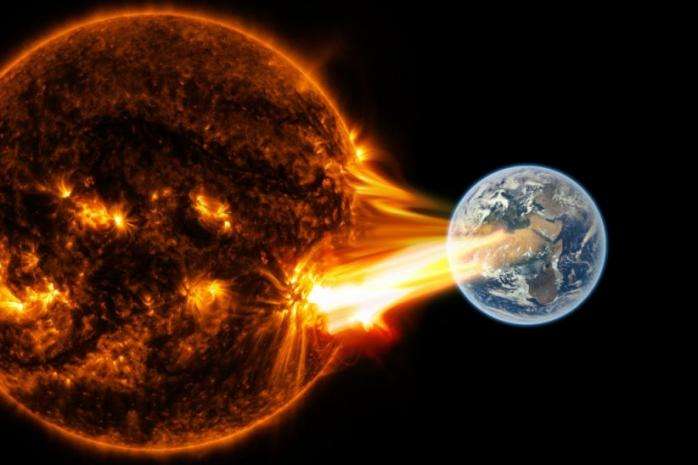
Today, on December 8, the Earth was hit by a powerful magnetic storm that could affect the health of weather-dependent people. According to the Meteoagent service, geomagnetic activity will remain elevated for at least three days in a row, "Komersant Ukrainian" reports
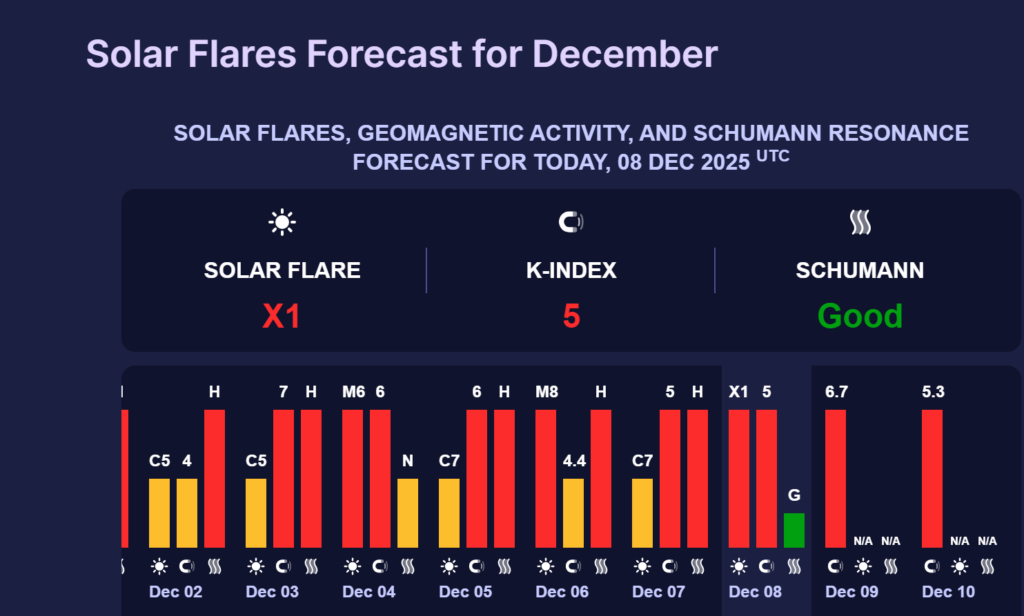
According to experts, the level of solar activity has reached a K-index of 5 out of 9 possible, which is a red level of danger.
Such an indicator is classified as a strong magnetic storm that can affect the health and well-being of weather-dependent people. Such a storm can cause headaches, fatigue, blood pressure fluctuations, and sleep problems in sensitive people.
Increased geomagnetic activity will continue the next day, December 9. Preliminary forecasts indicate a K-index of 6.7 points, which means that the tense situation in the magnetosphere will remain.
on December 10, the space weather will also be unfavorable. In particular, magnetic fluctuations will amount to 5.3 points.
It should be noted that the forecast is subject to change, as solar activity researchers update their data every three hours.
The storm is caused by solar flares
Astronomers explain that powerful solar flares that occurred a few days ago released streams of charged particles into space. They reached the Earth’s magnetic field, causing the current disturbance.
Such phenomena can last from several hours to two days, depending on the intensity of the solar wind.
What is happening now
The Sun’s activity has remained elevated for more than a week. The streams of charged particles that reach the Earth cause disturbances in the magnetic field of our planet. Such phenomena are especially common during the peak of the solar cycle, which is currently underway.
Astronomers’ forecasts are updated every three hours, so the level of the magnetic storm can change. The activity is measured by the planetary K-index:
- 0-4 – calm geomagnetic situation,
- 5-6 – moderate storm,
- 7-9 – a severe storm that can affect technology and human health.
Who is most sensitive to magnetic storms
Not all people react to geomagnetic fluctuations. However, the most sensitive are:
- hypertensive and hypotensive patients,
- people with cardiovascular diseases
- those prone to emotional fluctuations, stress, and insomnia.
The following symptoms may occur during a storm
- headache, dizziness;
- high blood pressure or palpitations;
- fatigue, irritability, insomnia;
- decreased concentration.
How to reduce the impact of magnetic storms
Doctors advise following simple rules to help the body survive magnetic fluctuations more easily:
- Drink more water to help stabilize blood pressure.
- Get enough sleep – at least 7 hours of sleep.
- Avoid stress and conflicts.
- Reduce the consumption of coffee, alcohol, and heavy foods.
- Get outdoors and take light walks.
- If you have a chronic illness, do not skip taking your medications.
Read us on Telegram: important topics – without censorship