The Grain Corridor and New Navigation Rules: How Ukraine’s Ports Operate
20 March 15:19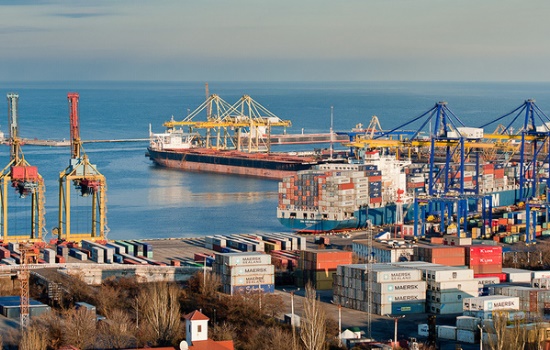
Ukrainian seaports continue to operate despite Russian attacks, the laying of sea mines, and a partial blockade.
It is precisely this experience that is attracting interest from port operators in the Persian Gulf countries. This is reported by the German publication Der Spiegel, as cited by [Komersant].
According to Dmytro Barinov, head of the Ukrainian Ports Association, international partners are actively interested in Ukrainian practices for operating ports during wartime.
“The experience we have gained here in Ukraine is unparalleled,” he noted.
Why Ukraine’s experience has become relevant
Interest in the Ukrainian model of port operations is growing amid threats to shipping in the
the Strait of Hormuz—a key artery for global energy supplies.
In particular, port operators in
- Qatar
- United Arab Emirates
For these countries, it is important to understand how to maintain port infrastructure operations amid military risks and attacks.
How the blockade began
After Russia’s full-scale invasion began in 2022, the Black Sea was partially blocked.
The consequences were massive:
- 130 cargo ships were stranded in Ukrainian ports;
- millions of tons of grain could not be exported.
The situation was partially resolved by the so-called Black Sea Grain Initiative, brokered by the United Nations and Turkey.
After Russia withdrew from this agreement, Ukraine independently restored its maritime export routes.
How the Ukrainian grain corridor works
Since the summer of 2023, Ukraine has been using its own maritime grain corridor.
Its features:
- the route runs closer to the coast;
- vessels operate under strictly regulated rules;
- the risk of attacks and mining is constantly taken into account.
New port operating rules
Due to military threats, ports operate under much stricter rules than before the war.
Specifically:
- Ships are inspected by the Ukrainian military 10–12 nautical miles from the port;
- entry and exit are permitted only during strictly defined time windows;
- ships are prohibited from anchoring for extended periods.
Following large-scale cyberattacks, some communications have even reverted to using fax machines to avoid the risks of digital failures.
How ports protect themselves from attacks
To reduce the risk, several layers of protection are used:
- floating barriers with nets to contain sea mines;
- mobile concrete shelters for workers;
- a complete shutdown of operations during an air raid alert.
Andriy Stavnitser, head of the port operator TIS, noted that ports lose up to 30% of their operating time due to air raid alerts.
According to him, the company is also investing in its own air defense systems to protect infrastructure from Russian drones.
Cooperation with Middle Eastern Countries
Ukraine is already offering security cooperation to partners in the region.
President Volodymyr Zelenskyy has stated that Ukraine is ready to share its experience in protecting its airspace, particularly in countering Iranian kamikaze drones.