“Made in Belarus”: how Ukrainian grain is legalized, according to the CSD
3 March 18:41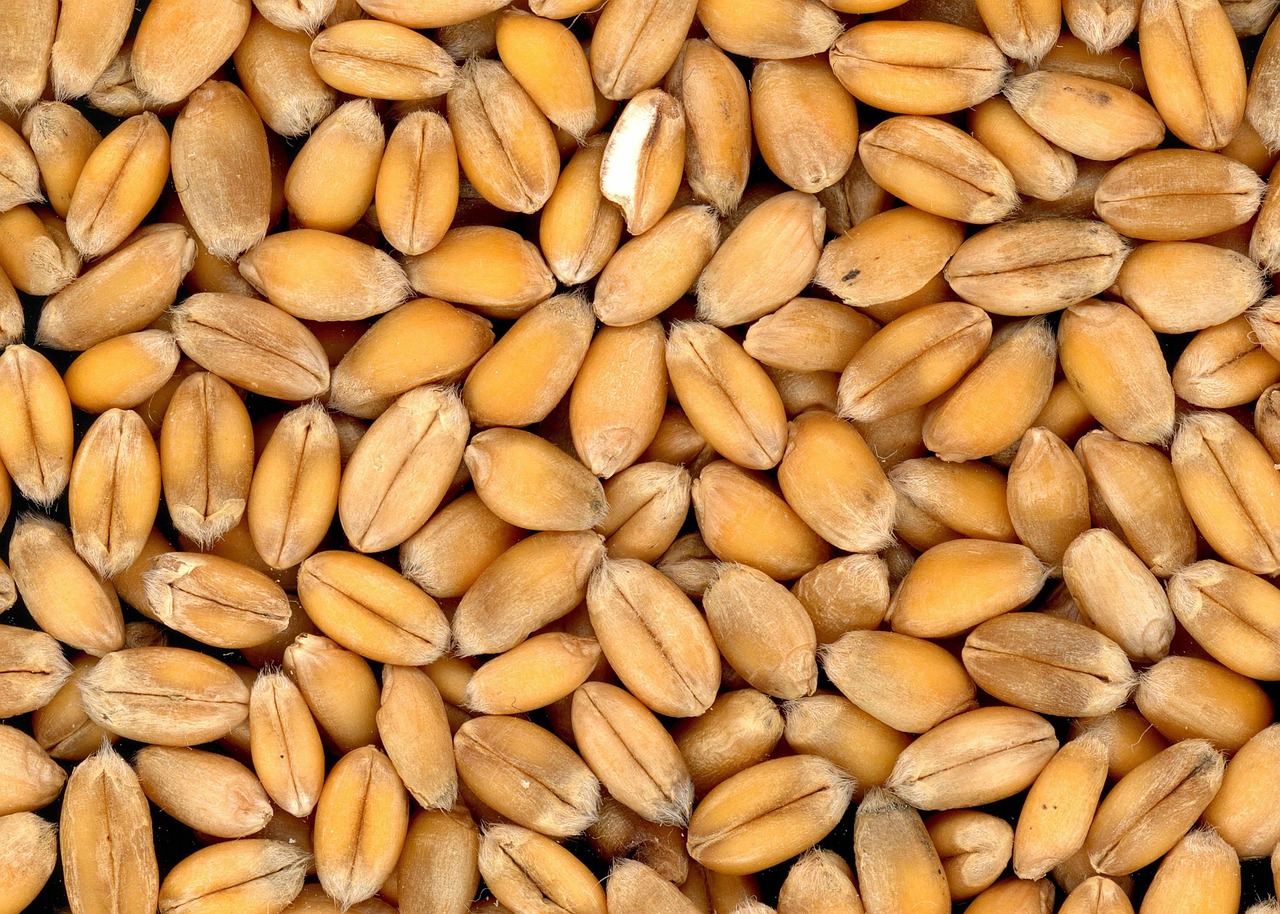
The Center for Countering Disinformation at the National Security and Defense Council of Ukraine has stated that Belarus, together with Russia, is participating in schemes to illegally export agricultural products from the temporarily occupied territories of Ukraine, reports "Komersant Ukrainian".
According to the Center, in 2025 alone, more than 2 million tons of grain crops were exported from the occupied territories. The report states that some of the products end up in Belarus, where they are mixed with local raw materials and exported under the label “Made in Belarus.”
What are the accusations based on?
The CSD refers to an investigation by BELPOL, an association of former Belarusian security officials. According to their data, companies associated with former Belarusian Interior Minister Vladimir Naumov may be involved in the schemes.
In particular, they mention the export of rapeseed and sunflower seeds from the occupied territories. After processing or mixing, the products may receive a new origin, which makes it difficult to identify them on international markets.
There is currently no independent confirmation of these allegations. Official Minsk and Moscow have not publicly commented on these accusations.
The issue of sanctions
The CSD claims that such schemes are possible due to the absence of a direct ban on the import of agricultural products from Belarus within the existing sanctions regimes.
Earlier, Ukrainian authorities stated that Russia integrates grain from the occupied territories into its own export system, which allows it to enter world markets without direct identification of origin.
Why is this important
Ukraine is one of the world’s key exporters of grain and oilseeds. The export of products from the occupied territories without Kyiv’s control has not only economic but also political implications — it is linked to the issue of the legitimacy of the origin of goods and the effectiveness of international sanctions.
If the data is confirmed, it could increase pressure on sanctions mechanisms against Belarus and Russia, as well as trigger additional checks on the origin of agricultural products on global markets.