55% of potholes on major highways have already been repaired: Ukravtodor discusses deadlines and competition with private contractors
8 April 11:43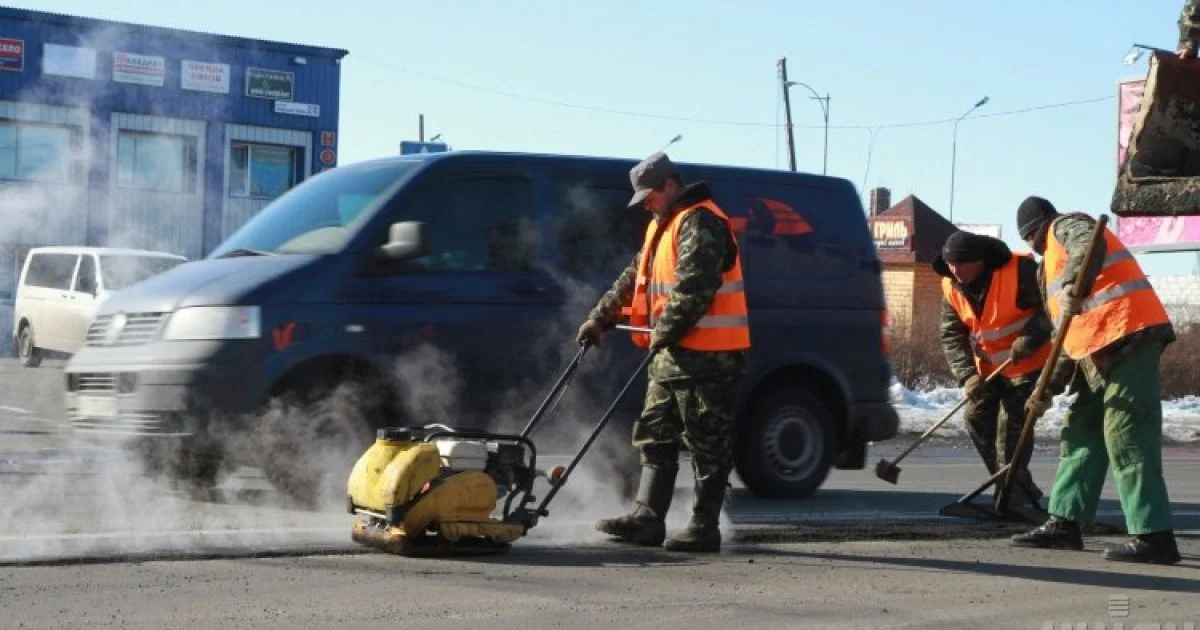 EXCLUSIVE
Following the extreme winter of 2025–2026, the condition of road surfaces in Ukraine has become a focus of intense attention. Oleksiy Doroshenko, acting chairman of the board of JSC “State Agency of Motorways of Ukraine,” spoke exclusively to "Komersant Ukrainian" about the causes of road deformation, the pace of pothole repair, and the role of highways in national security.
Causes of the “asphalt crisis”
A significant number of road surface deformations this year are of a complex nature.
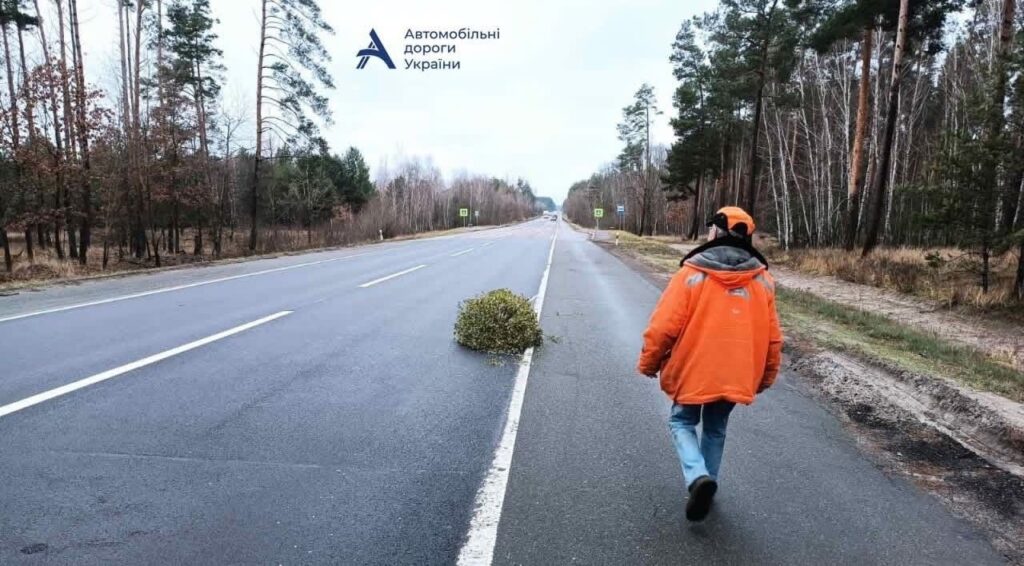
“Following what was arguably the harshest winter of 2025–2026, a significant number of road surface deformations appeared on Ukraine’s roads. This was caused by difficult weather conditions, particularly heavy snowfall and frequent temperature swings from above-freezing during the day to below-freezing at night,” explains the head of “Automobile Roads of Ukraine.”
In addition to climatic factors, economic constraints have affected the condition of the roads. Due to martial law, the state budget has clear priorities, which has impacted investments in the road sector.
“In addition to the main cause of potholes, the lack of investment in capital construction of public roads in previous years also played a significant role, as did insufficient funding for routine repairs and operational maintenance of state-level highways due to the entirely understandable and predictable limitations on the state budget’s ability to allocate funds during martial law,” – Oleksiy Doroshenko
This shortage of resources limited the ability to carry out preventive work, such as sealing cracks or applying thin wear layers, which further contributed to the emergence of emergency potholes.
Roads During the War
With air traffic suspended and railways under attack, highways have become the country’s primary logistical lifeline.
“Ukraine’s highwaysare, today, its primary channel for the uninterrupted and stable transport and supply of: ammunition, weapons, and the full range of necessary cargo for the Security and Defense Forces; food and goods for the population; medicines, other cargo, as well as the unimpeded transport of people in general,” — emphasizes Oleksiy Doroshenko.
Due to the enemy’s terrorist attacks on railway infrastructure—the destruction of tracks, locomotives, and power grids—the load on highways has increased critically, which negatively affects the road surface.
Recovery Pace: Deadlines and Results
According to the plans of the State Agency for Infrastructure Restoration and Development of Ukraine, potholes on roads of international and national importance must be eliminated by May 1, 2026, and on the rest of the roads— by the end of June.
The first results are already visible:
- Elimination of critical potholes across the sector as a whole—well over 40%.
- For key contractors—over 50%.
- State Enterprise “Kyiv Oblavtodor” (M-06 Kyiv-Chop and M-05 Kyiv-Odesa highways) — 55% of potholes eliminated.
- State Enterprise “Khmelnytskyi Oblavtodor” and State Enterprise “Chernivtsi Oblavtodor” —over 40%.
All work is being carried out at an intensive pace using high-quality materials. Contractors provide guarantees: in the event of defects, they are rectified at the contractor’s own expense.
The Road Services Market and Competition
Oleksiy Doroshenko also dispelled myths regarding the monopoly of state-owned entities, noting that regional road agencies operate in a competitive environment:
“Regional road agencies are operators just like all other private companies in the industry that work on our roads and compete with them under the same conditions. Currently, 27 private companies provide operational maintenance services for state-level roads, and another 53 private companies serve as key general contractors on local roads.”
The Government’s Position
The pace of work is also confirmed by Ukrainian Prime Minister Yulia Svyrydenko. In her post, she noted that roadwork is ongoing in Ukraine on international highways and public roads.
“Nearly 170 crews and over 1,500 workers are working across the country every day. Since the beginning of the year, 2.7 million square meters of damage have already been repaired. As of today, about 50% of routine repairs on international highways have been completed. All routine repair work on these highways is scheduled to be completed by May 1, and major repairs by June 1.”
At the same time, JSC “State Agency “Automobile Roads of Ukraine” is calling for greater attention to be paid in the future (with increased funding) to systematic road protection before winter sets in, in order to prevent damage in the early stages.
Thus, despite the devastating consequences of the harshest winter and limited funding during martial law, the mobilization of over 170 crews and the coordinated work of state regional road administrations with private contractors make it possible to meet tight deadlines—completing major work on international highways by May 1. However, the experience of 2026 clearly points to the need to transition from emergency “patching” to a strategy of preventive road maintenance, which will ensure the long-term resilience of Ukraine’s vital transportation arteries.