Putin expands army to 2.4 million: what’s behind the Kremlin’s decision and will it change the situation on the front lines?
5 March 19:55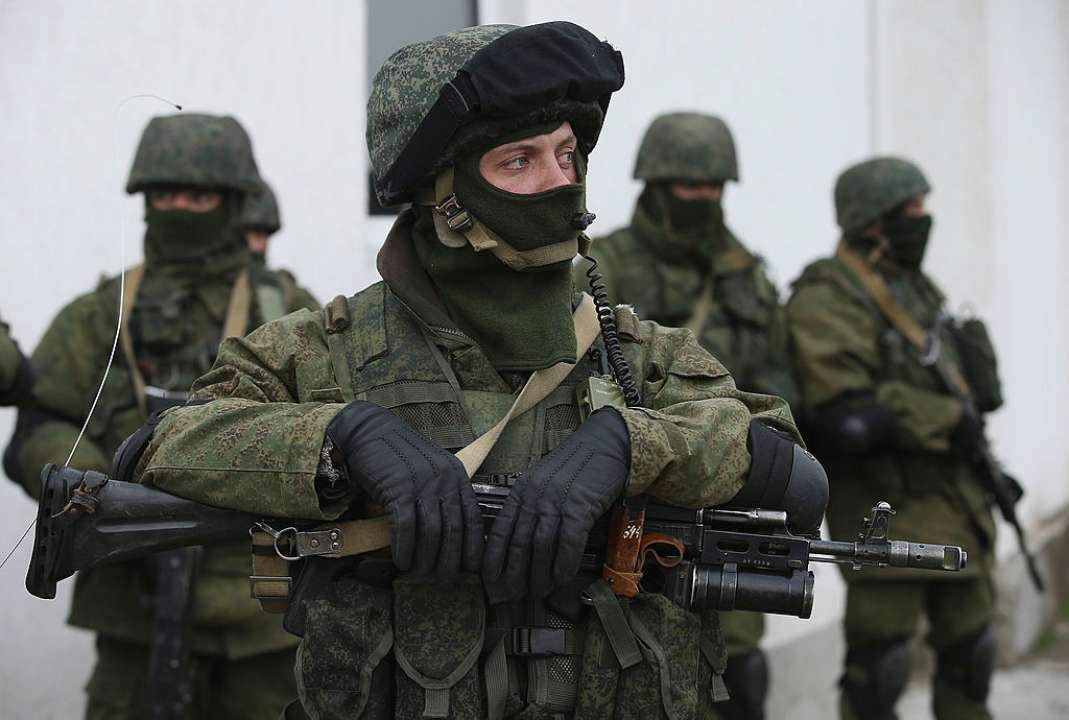
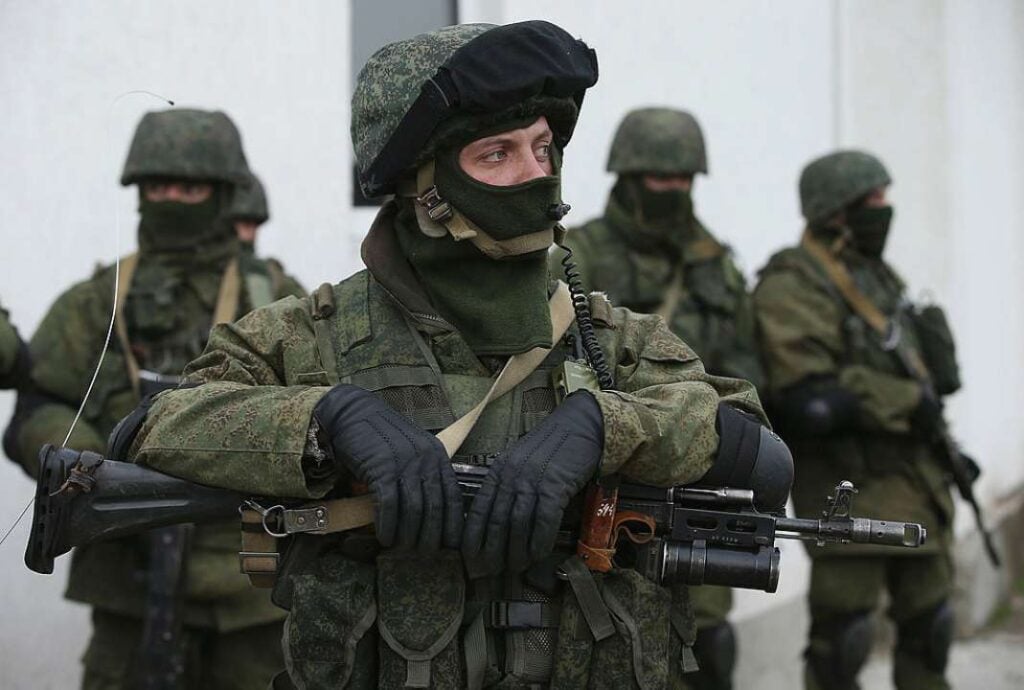
Russian President Vladimir Putin has signed a decree to increase the strength of the Russian Armed Forces to approximately 2.4 million personnel. Formally, this looks like another large-scale expansion of the Russian army against the backdrop of a protracted war against Ukraine. However, experts emphasize that behind the impressive figures may lie a much more prosaic reality — an attempt to hide the huge losses of Russian troops on the front lines.
According to pro-Russian sources, the Kremlin may be considering a scenario of prolonged confrontation with gradual waves of mobilization and additional financial burdens on the population. Is Russia really preparing for a decade-long war, or is this more of an information strategy designed to conceal losses and maintain the image of a “strong army”?
Russia’s war against Ukraine has been going on for three years now in a phase of full-scale confrontation. During this time, Moscow has repeatedly announced increases in the size of its army, reforms of military districts, and the creation of new units. At the same time, the real capabilities of the Russian army remain a subject of debate: on the one hand, the Russian Federation continues to mobilize resources, while on the other, it is suffering significant losses.
Military expert Ivan Stupak commented
“The Russian army is constantly suffering losses on the front lines. According to the latest estimates, they lost almost 400,000 people last year. These include the wounded, the dead, and the captured — everyone who has been taken out of action,” notes Ivan Stupak.
According to Stupak, such losses pose a serious problem for the Russian authorities. If the Kremlin openly announces active recruitment of new soldiers, society may naturally ask: why are so many new people needed and where did the previous ones go?
That is why, according to the expert, Moscow is using a different, rather cunning information strategy.
“If they start actively recruiting people to compensate for losses, the question will arise: wait a minute, where did everyone go? That is why they have chosen a different tactic — they say that they are not replenishing losses, but allegedly expanding the army,” Stupak explains.
In fact, the expert notes, this is an information maneuver designed to create the impression of a large-scale strengthening of the Russian military machine.
“We are recruiting people not because we are suffering losses, but because we are expanding our army. It’s a clever trick. In reality, the number of troops may remain roughly the same — it’s just a case of external inflation,” says Stupak.
Will this change the situation on the front lines?
Despite the Kremlin’s claims about the army’s million-strong size, the key factor in the war remains not only the number of troops, but also the quality of training, equipment, logistics, and the morale of the units.
The military emphasizes that even significant human resources do not guarantee a quick breakthrough or strategic advantage if the army faces problems with management, training, and supply.
In addition, an increase in the number of personnel is only a bureaucratic figure that does not always correspond to the actual number of soldiers on the battlefield. Some people may be in reserve, training centers, or performing rear functions.
According to Ivan Stupak, the real effect of such decisions may be much more modest than the Kremlin is trying to show.
“In fact, it looks like an external inflation of numbers. That is, the image of an expanding army is being created, but the situation on the front lines may remain roughly the same,” Stupak concludes.
Thus, Putin’s decision to increase the size of the Russian Armed Forces may not be so much a military breakthrough as an informational and political attempt to mask the scale of losses and maintain the image of a “strong army” in the context of a protracted war.
The Kremlin’s plan today: a 10-12-year war
Signs are appearing in the Russian information space that a long-term scenario for waging war against Ukraine is being prepared. A pro-Russian Telegram channel reports that Russian President Vladimir Putin has allegedly received a plan of military operations for the coming years from the deputy head of the Russian Security Council, Dmitry Medvedev.
According to the channel’s sources, the document envisages a protracted war and the gradual transition of the Russian state to a war footing. According to the report, the Kremlin is considering a scenario of many years of confrontation.
“Vladimir Vladimirovich received a plan of military operations for the coming years from Dmitry Medvedev. It envisages that Russia will switch to a war footing, and the so-called ‘special military operation’ will continue for another 10-12 years — until all its goals are achieved,” Kremlin Snuffbox reported.
According to the channel’s source, this approach is seen as a strategy of long-term attrition.
6–7 waves of mobilization in Russia
One of the key points of the plan is a series of new waves of mobilization, but not large-scale, rather gradual.
“A long ‘special military operation’ until victory is the best option Russia can choose right now. For example, our plan envisages 6-7 waves of mobilization in the coming years. But they will be small: the army will be replenished by a maximum of 150-200 thousand people each time,” pro-Russian Telegram channel “Kremlin Snuffbox”
According to the authors of the document, this format of mobilization will avoid sharp public discontent. Such mobilization will not come as a shock to the people. At the same time, it will help put the country on a war footing.
The plan also mentions the need to increase funding for the war at the expense of the population. According to the channel, a final decision on this plan has not yet been made.
“The Kremlin has informed us that Putin is carefully studying the plan presented by Medvedev and even sees “certain rational things” in it. At the same time, the document has not yet been approved and will at least be revised,” Kremlin Snuffbox reported.
There has been no official confirmation of this information from the Russian authorities. At the same time, the very fact that such reports have appeared in pro-Russian media outlets may indicate internal discussions among the Russian elite regarding scenarios for the further conduct of the war against Ukraine.
Thus, the decision to increase the size of the Russian army and information about possible new waves of mobilization indicate that the Kremlin is preparing for a long-term confrontation. At the same time, many experts believe that these steps have not only military but also political and informational goals. On the one hand, Russia is trying to demonstrate its strength and readiness to fight for years. On the other hand, the gradual expansion of the army may be a way to mask heavy losses and avoid sharp public discontent over new mobilizations. Ultimately, the key question remains open: will this be a real strengthening of the Russian army, or just another attempt by the Kremlin to create the illusion of military might in the context of a protracted war?