The annexation of Crimea: who “handed over” the peninsula to the Russians and whether Ukraine has a chance to return to the 1991 borders
5 March 2025 11:59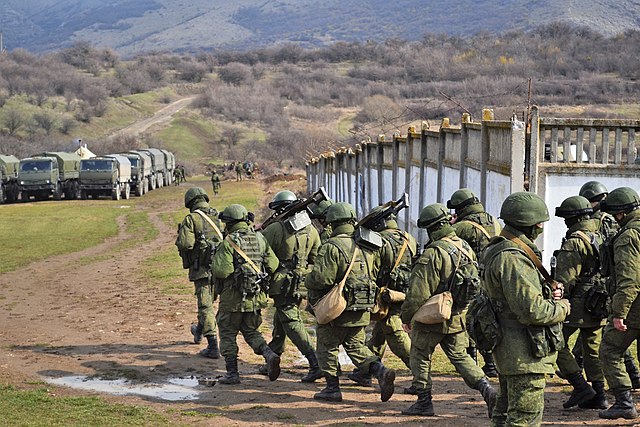
The annexation of Crimea by Russia in 2014 was one of the most painful episodes in the history of modern Ukraine. The military operation of the Russian Federation, which began on February 20, 2014, with the invasion of Crimea by unmarked Russian troops, was the first phase of the war between Russia and Ukraine. Under the pretext of “protecting the Russian-speaking population,” Russia installed a puppet regime headed by Sergei Aksyonov, and on March 1, the Federation Council approved the deployment of troops. Under pressure from the Russian military, an illegal “referendum” was held on March 16, after which Russia officially announced the annexation of the peninsula.
By violating all norms of international law and bilateral agreements, Russia has set a dangerous precedent for the illegal seizure of the territory of a sovereign state. This became the starting point for a great war: from the occupation of Crimea to the bloody battles in Donbas and the full-scale invasion in 2022.
Today, against the backdrop of negotiations to end the war, the issue of Crimea has been overshadowed. Are Western partners ready to turn a blind eye to the illegal annexation again, as they did in 2014? Will the peninsula remain a hostage to political compromise, or will the Ukrainian flag fly over Sevastopol? Read more in the
In 2023, former US President Barack Obama, whose second term was during the period of Russia’s annexation of Crimea, admitted why Western allies did not respond to the annexation of the peninsula and there was no military intervention, unlike in 2022. In an interview with CNN, he said that in 2014, Ukraine was completely different from the country we know today.
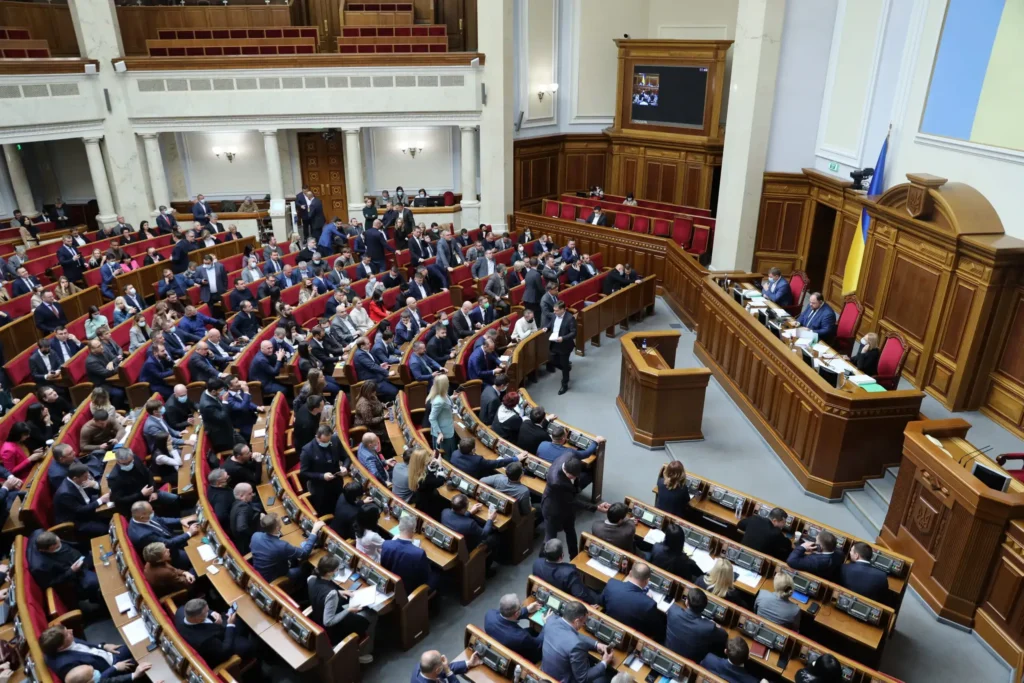
“Crimea was a region where many people spoke Russian and where there was a certain sympathy for Russia. In Ukraine, even in the Verkhovna Rada, there were representatives who supported Russia. The political situation was much more complicated,” Barack Obama said.
Obama also stood up for former German Chancellor Angela Merkel, who is often criticized for her policy toward Russia. The former President emphasized that he and Merkel worked together to impose sanctions against Russia to stop further invasion of Donbas and other regions of Ukraine.

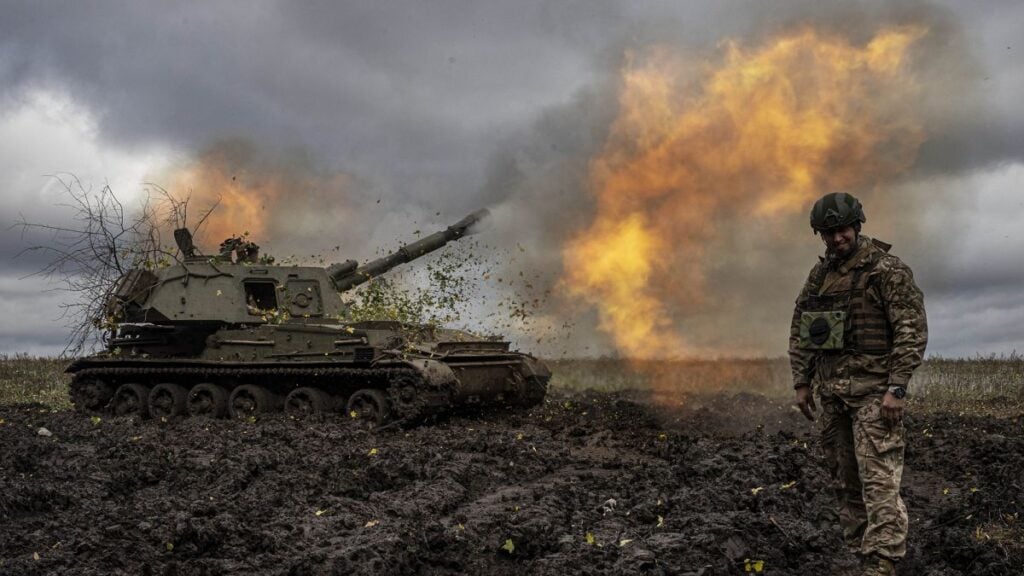
Despite the fruitful work of the West, on February 24, 2022, Crimea became the main military base for Russian forces, which launched a full-scale offensive. Russia uses the peninsula as an important point for the deployment of its troops, including aviation, navy, and artillery. In particular, Russia’s Black Sea Fleet is based in Sevastopol, which gives it the ability to control the Black Sea and influence shipping in the region.
- Aviation: Crimea has become an important base for Russian fighter jets, bombers, and attack aircraft that carry out strikes on Ukrainian territory
- TheBlack Sea Fleet, based in Sevastopol, is taking on the role of blockading Ukrainian ports on the Black Sea, particularly in Odesa and other port cities, which limits the export of Ukrainian grain and other goods. In addition, this fleet plays a role in organizing naval attacks and shelling of the Ukrainian coast.
- Missile attacks: Russia is actively using Crimea as a base for launching cruise missiles at Ukraine, including military facilities, energy and transportation infrastructure, which significantly complicates the life of the Ukrainian population.
Crimea has also become an important transportation hub for the movement of Russian troops and equipment. Using the Crimean bridge that connects the peninsula with Russia, the enemy has been able to freely supply weapons, ammunition, food and other resources to its troops operating in southern Ukraine, particularly in Kherson, Zaporizhzhia and Donetsk regions.
Nevertheless, those in President-elect Trump’s inner circle say that it is unrealistic to expect Crimea to return. Lanza, a Republican strategist, also noted that if the return of Crimea is a priority for Ukraine and it requires the participation of the US military, “it should be an independent matter for Ukraine.”
Returning Crimea: Ways and Prospects
Returning Crimea is a complex process that requires a comprehensive approach. Military expert Dmitry Snegirev in an exclusive commentary
“The process will be very difficult. Germany united after 50 years of Soviet occupation. France returned the lands of Alsace-Lorraine after 40 years of German occupation. Ukraine should act not only diplomatically, but also consider military means,” Dmytro Snegiryov
The annexation of Crimea was the result of both Russia’s external aggression and strategic mistakes of the Ukrainian leadership, the expert said.
The beginning of the annexation of Crimea: mistakes and miscalculations
on February 28, 2014, the deputies of the Verkhovna Rada of the Autonomous Republic of Crimea, at gunpoint, with gross violations of the procedure, decided to call a referendum on the status of Crimea and appointed S. Aksyonov as the head of the Crimean government.
On the same day, the Russian military began blocking Ukrainian military units on the peninsula, seized the airports of Belbek and Simferopol, and established control over land entrances from mainland Ukraine.
“However, the question still remains why in 2014, when the “little green men” had already occupied Crimea, the Ukrainian authorities declared the Ukrainian army incapable of engaging in an armed conflict with the enemy,” said Snegiryov
Thanks to the transcript of the National Security and Defense Council meeting of February 28, 2014, we now have the opportunity to better understand the circumstances that led to Russia’s occupation of Ukrainian Crimea.
“At that time, at an emergency meeting of the National Security and Defense Council, acting Defense Minister Ihor Tenyukh said that “today we will be able to gather a military group of more than 5,000 servicemen from all over the country, capable of performing a combat mission. We can send them to Crimea, but this will not solve the problem of the peninsula,” said Dmytro Snegiryov

The military expert is sure that Tenyukh’s appointment to this position is a huge mistake that we have been trying to correct all these years of the Russian-Ukrainian war. Snegiryov also points to a number of other miscalculations by the authorities:
- Failure to declare martial law
According to the expert, “martial law in February 2014 was necessary because it would have allowed us to mobilize reserves and legitimize military action against the occupiers.” - No order to use weapons
Only on March 17 was it allowed to use weapons in the event of an assault on Ukrainian military units.
“This caused demoralization among the Ukrainian military, who had previously received orders not to respond to the actions of the Russians,” Snegiryov said.
- Failure to use local resistance
“The Crimean population, in particular the Crimean Tatars, were ready to resist, but the authorities did not organize them,” the expert emphasizes.
- Impunity for collaborators
“Despite the decision to detain Sergei Aksyonov and Vladimir Konstantinov, they operated freely in Crimea, which indicates the inaction of Ukrainian security forces,” Snegirev emphasizes.
Was it possible to defend Crimea?
Many experts believe that it was possible to defend Crimea in 2014. Dmytro Snegiryov notes:
“If the military had been given the command to shoot, the situation could have developed according to a different scenario.”
This was also noted by President of Ukraine Volodymyr Zelenskyy, who said that if the Ukrainian authorities had given a military response in Crimea in 2014, the war in Donbas might not have happened.
However, it was during Russia’s full-scale invasion that the idea was voiced that it would be easier to return the occupied Crimea militarily than to recapture the occupied territories of Donetsk and Luhansk regions.
“From a military point of view, it is much easier to recapture Crimea than Donbas, which has more than 1,000 kilometers of frontline and a depth of more than 200 kilometers. There are two entry points to Crimea – from the Russian side and from ours: The Crimean bridge and the land isthmus. The issue of recapture is our frontline operations: from the Russian side – by destroying communications, from our side – by pressure. And then that’s it – Crimea is isolated,” Budanov emphasized.
Will the de-occupation of Crimea begin in 2022?
Since the beginning of Russia’s war against Ukraine in 2022, Crimea has been the target of numerous attacks that have caused serious military and economic losses to Russia. A real catastrophe was the loss of the Russian cruiser Moskva in April 2022, which was hit by Ukrainian missiles. This and other strikes have significantly weakened the Russian Black Sea Fleet.

In addition, numerous strikes on military bases and ammunition depots in Crimea, in particular at the airfield in Saki, led to heavy losses in equipment and ammunition. The Crimean Bridge, an important symbol of Russia on the peninsula, has also been targeted. In October 2022, it was partially damaged in an explosion, which complicated the supply of resources from Russia to the peninsula.
It is quite logical that such losses could be the beginning of the de-occupation of Crimea, as the weakening of Russian positions on the peninsula creates conditions for Ukraine to regain control over its territory.