Imports under threat: due to the war, ships carrying rice, meat, and coffee did not reach the UAE
10 March 20:07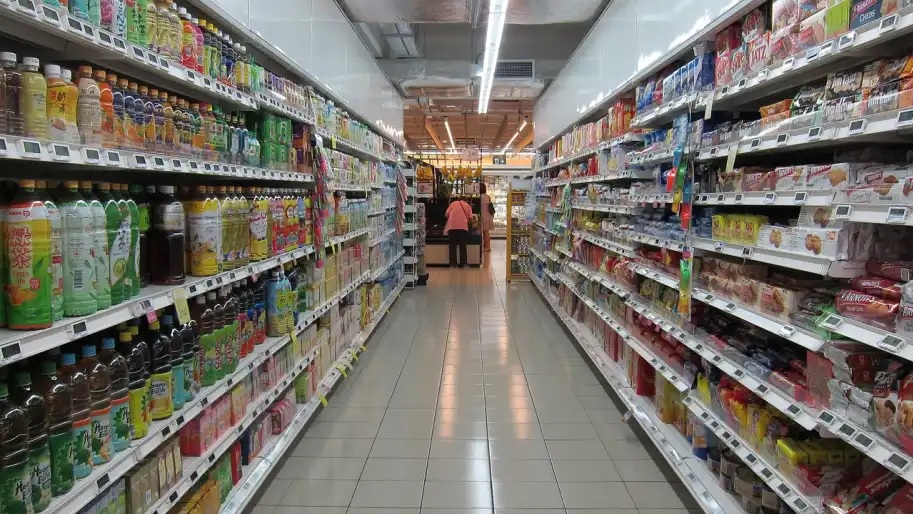
The war in the Middle East has begun to affect food supplies to the United Arab Emirates, a country that imports about 90% of its food.
According to Bloomberg , ships carrying Indian rice, Australian meat, and Indonesian coffee have not reached the country, reports "Komersant Ukrainian".
Despite this, supermarket shelves remain full for now.
Why the disruptions occurred
Experts attribute the disruptions to the war in the region and the blocking of strategic transport routes.
The situation around the Strait of Hormuz, a narrow sea corridor between Iran and Oman through which a significant part of world trade passes, plays a key role.
Due to the hostilities:
- shipping through the strait has been virtually disrupted;
- approximately 18% of global air transport capacity has become unavailable.
How dependent is the region on imports?
Data for 2025 show that the Persian Gulf countries —
- Saudi Arabia
- Iraq
- United Arab Emirates
- Kuwait
- Qatar
- Bahrain
— together imported approximately $10 billion worth of grain, meat, and fresh produce.
Most of these goods are delivered by sea through the Strait of Hormuz, making the region particularly vulnerable to disruptions.
An additional blow — Iran’s export ban
The situation was complicated by Iran’s decision to temporarily ban exports of all food and agricultural products.
Iran is one of the key suppliers of fresh fruit and vegetables to the UAE.
How retailers are trying to avoid shortages
Despite logistical problems, supermarkets are not yet experiencing a shortage of goods.
Retailers are using alternative routes and air transport.
For example, the Lulu Group International chain has started organizing charter cargo flights from different regions of the world.
According to the company’s CEO, Saifi Rupawal:
- meat, fruit, and vegetables have already been delivered from India;
- flights from South Africa, Sri Lanka, and Kenya are being prepared.
Each Etihad Airways cargo plane carries at least 80 tons of food.
In addition, the company has sent a ship from Mumbai carrying about 500 containers of basic products, including rice.
What the authorities say
UAE Minister of Economy Abdullah bin Touq Al Marri said the country has strategic food reserves.
According to him, the reserves will last for about 4-6 months, which should help:
- avoid shortages;
- stabilize prices.
He also urged residents not to panic buy, but to purchase only essential goods.