Apple Turns 50: Three Products That Changed Our Lives
5 April 19:10
Few companies have been able to influence how people use technology in their daily lives as decisively as Apple.
The company, which celebrated its 50th anniversary this week, was founded by two Steves in a garage in San Francisco. Over the years, Apple has experienced both truly remarkable successes and notable failures, writes "Komersant Ukrainian", citing the BBC.
Today, nearly one in three people on the planet owns some kind of Apple device—a success that, according to Emma Wall, chief investment strategist at the financial firm Hargreaves Lansdown, is linked to both the company’s marketing and its hardware.
“They sold a dream,” she said, and they added something that was “quite new at the time—the idea that branding is just as important as the product lineup.”
It could be argued that Apple’s string of hits has slowed since the death of its visionary co-founder Steve Jobs, as the company focuses more on refining existing technologies.
Ken Segall, Jobs’ creative director for 12 years, told the BBC that Apple’s current CEO, Tim Cook, has done “an amazing job” of keeping up with the times and maintaining the company’s profitability.
But he added that many Apple fans aren’t as enthusiastic about the company’s current phase of development because “for them, the real Apple is the one from Steve Jobs’s era.”
As the company approaches its 50th anniversary, we asked experts to analyze how Apple has successfully changed the world of technology—and where it may have fallen short.
iPod (hit)
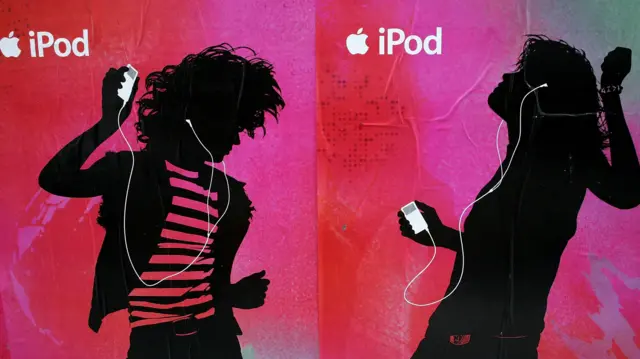
Although the iPod was by no means the first portable digital music player at the time of its release in 2001, it is one of “Apple’s most famous products,” says Craig Pickrell of The Apple Geek. Not just because of what it was, but “because of what it changed”
“MP3 players were clunky, memory was limited, and managing a music library seemed like a real hassle,” he said.
“The iPod changed all that almost overnight.”
The design with the control wheel set the device apart and introduced the iTunes library, paving the way for legal digital music downloads, which became mainstream.
The iPod Touch, released in 2007, was developed by the same team that later invented the iPhone, which quickly overshadowed the iPod.
“Without the iPod, Apple likely wouldn’t have had the financial stability or operational maturity needed to tackle the complexity of the smartphone industry,” said Francisco Jeronimo, a technology analyst at research firm IDC.
iPhone (hit)
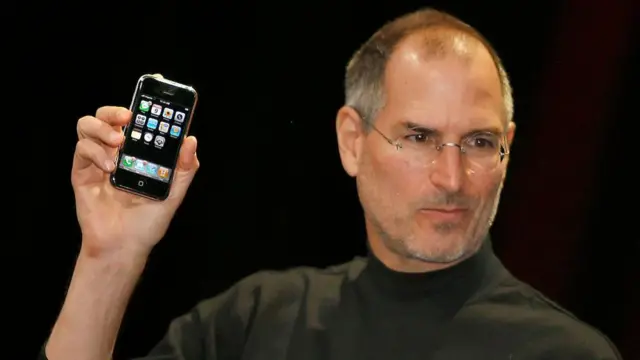
Over 200 million iPhones are sold every year; roughly every seven seconds, another one is purchased somewhere in the world.
For Ben Wood of research firm CCS Insight, it’s “the Hotel California of smartphones”: once you get it, “it’s very unlikely you’ll leave” the Apple ecosystem for a competing Android-based device.
“An iPod, a phone, and an Internet communicator. These aren’t three separate devices; this is one device,” said a beaming Steve Jobs, holding the first version of the phone during its global unveiling in 2007.
Like many of Apple’s revolutionary products, the iPhone wasn’t the first of its kind—other phones already had internet connectivity or touchscreens.
But, explains tech journalist Kara Swisher, its “luxury marketing” helped propel it rapidly into the mass market.
“It made people see it not just as a gadget, but as something romantic,” she said.
Apple Watch (hit)
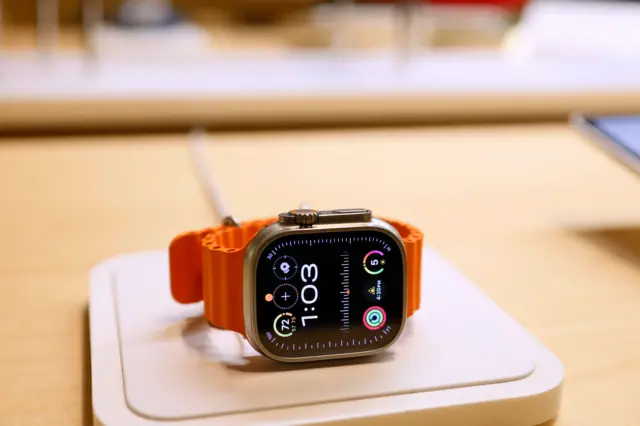
By the time the Apple Watch was launched in 2015, Jobs had died of cancer.
But his successor, Tim Cook, came with a goal worthy of his innovative predecessor—to create the best watch in the world.
In terms of revenue generated by Apple—approximately $15 billion (11.3 billion pounds)—it’s hard to argue that the world’s most popular smartwatch hasn’t achieved that goal.
“As a standalone business, the Apple Watch would comfortably rank among the 250 to 300 largest companies in America,” Wood said.
Although the first prototype was relatively simple, its subsequent models have also pioneered wearable medical technology with features such as ECG monitoring and fall detection, making it a key player in the health and fitness technology sector.
According to available data, the device now sells more units annually than the entire traditional Swiss watch industry.
Apple Lisa (inside)
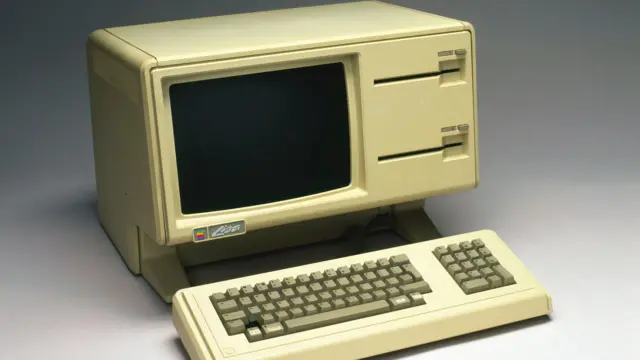
In a sense, the Apple Lisa, a personal computer released in 1983 for the staggering price of nearly $10,000, was groundbreaking.
It was one of the first PCs with a graphical user interface (GUI) and a mouse.
But tech analyst Paolo Pescatore said the computer, aimed at business users, was “too expensive” and could not achieve commercial success.
According to him, this failure demonstrated that “being one step ahead isn’t enough if the product is poorly positioned.”
Apple learned from its mistakes when, a year later, it released the original Macintosh at a relatively more consumer-friendly price of $2,495.
Butterfly Keyboard (missed the mark)
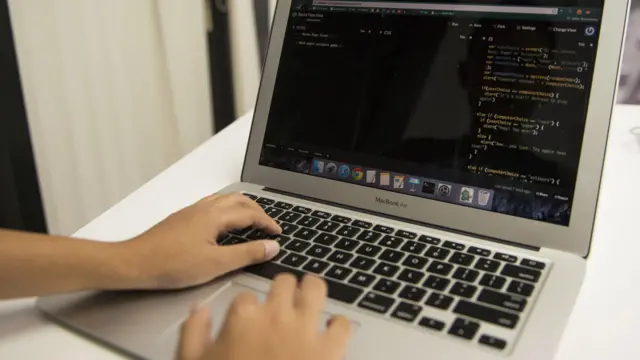
The design of the Apple Butterfly keyboard—a mechanism introduced in 2015 for laptop keyboards—was “a rare misstep in reliability,” said Pickerell.
The design of devices such as the MacBook Air featured keyboards with a double-sided hinge mechanism that somewhat resembled butterfly wings.
But opinions were divided.
Some say the mechanism makes typing on the keyboards difficult, giving the impression that Apple “prioritizes thinness over durability,” said Pickerell.
By 2019, the company had introduced a new 16-inch MacBook Pro—without the butterfly keyboard.
Vision Pro (by the way)
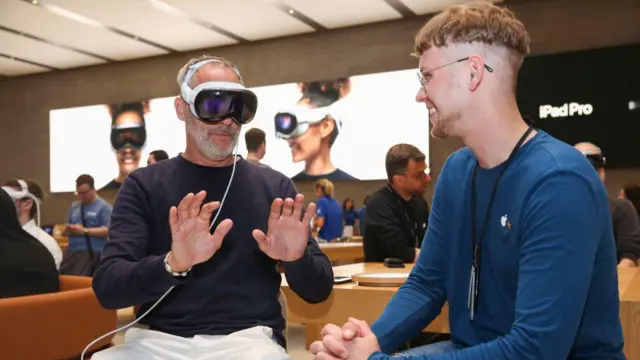
A much more noticeable misstep for Apple was the Vision Pro headset, Wood argued.
He noted that the first major new product released by the company since the Apple Watch turned out to be too “bulky” and not functional enough to match the success of Apple’s other products.
According to the tech website The Information, the company scaled back production of the $3,500 headset just a few months after its launch.
The reason was low demand and a large amount of unsold inventory.
This misstep means that Apple “will likely be more cautious about rapidly expanding into adjacent industries, such as smart glasses,” Wood noted.