Emergency repairs and overloads: why emergency power cuts have been reintroduced in Ukraine
23 January 20:41
On the morning of January 23, the situation in Ukraine’s power grid deteriorated sharply after several power generation facilities were shut down for emergency repairs. This was reported by NPC Ukrenergo, according to "Komersant Ukrainian".
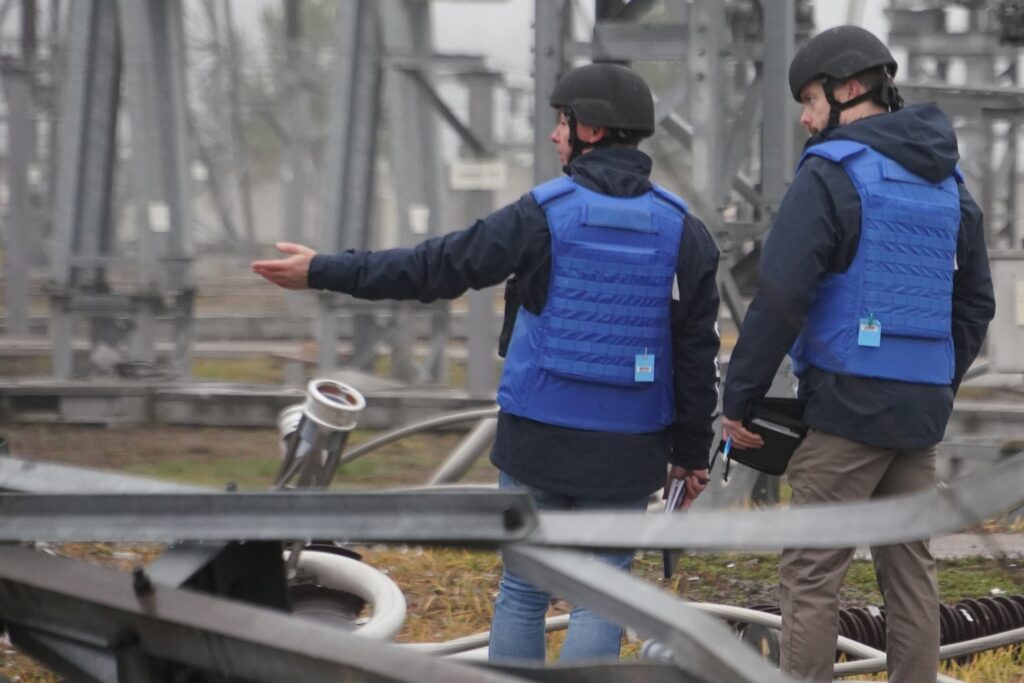
Energy experts explain that equipment that continues to operate after previous shelling and damage is now functioning at the limit of its technical capabilities. To keep the system in balance and avoid large-scale uncontrolled power outages, dispatchers were forced to resort to emergency measures.
Why emergency shutdowns became inevitable
According to Ukrenergo, the surviving power units are forced to compensate for the loss of capacity, which leads to critical overload. In such conditions, some of the equipment needs to be shut down urgently for repairs, otherwise there is a risk of long-term failure of the high-voltage infrastructure.
For this reason, energy experts say, emergency shutdowns have been implemented, which are not provided for in the planned schedules and are introduced in the event of a threat to the stability of the entire power system.
Where power outages were recorded
On the morning of January 23, emergency power cuts affected a number of regions in Ukraine.
According to DTEK, emergency restrictions were introduced in the Dnipropetrovsk and Odesa regions and continued to operate in Kyiv.
Chernigivoblenergo and Zhytomyroblenergo operators also reported power outages. Individual cases of emergency power cuts were recorded in Sumy, Kirovohrad, Kharkiv, Poltava, and Cherkasy regions.
When a return to normal schedules is possible
Ukrenergo predicts that restoration work on some power generation facilities may be completed in the near future. This will allow emergency restrictions to be lifted and a gradual return to scheduled hourly power cuts in most regions.
At the same time, energy experts emphasize that further stability depends on the pace of repairs and the load on the system during the winter.