Ukraine is getting its own esports national team. And this isn’t just news for gamers
 COLUMN
When people who aren’t into gaming hear the word “esports,” many still fall back on the old stereotype: that it’s something niche, for young people, and not entirely serious. That’s why the news that the Ukrainian Esports Federation has become an official partner of the Esports Nations Cup 2026 is easy to underestimate. And that’s a shame.
Cutting through the red tape, the point is simple: Ukraine gets the chance to field its national team at a major international tournament, where teams will compete not on behalf of individual clubs, but on behalf of their countries. And that’s what matters most here. Because it’s one thing to have strong clubs and individual star players. It’s an entirely different matter when a country takes the stage under its own flag.
For the general public, this is probably the most important point. Esports has long ceased to be a niche scene “for the insiders.” It has long featured big money, a large audience, international tournaments, broadcasts with millions of views, and its own system of prestige. And now, the format of national teams is being added to this. In other words , what is commonly accepted in soccer, basketball, or boxing is gradually making its way here as well.
For Ukraine, this is good news also because it signifies the maturation of the entire industry. Talented players didn’t just appear yesterday, and interest in esports didn’t just spring up today. Ukrainian teams, studios, commentators, tournament organizers, and media outlets have long since built a strong ecosystem here. Now this community is gaining another form of international representation—one that is more formal, more visible, and, importantly, understandable even to those who don’t follow the games at all.
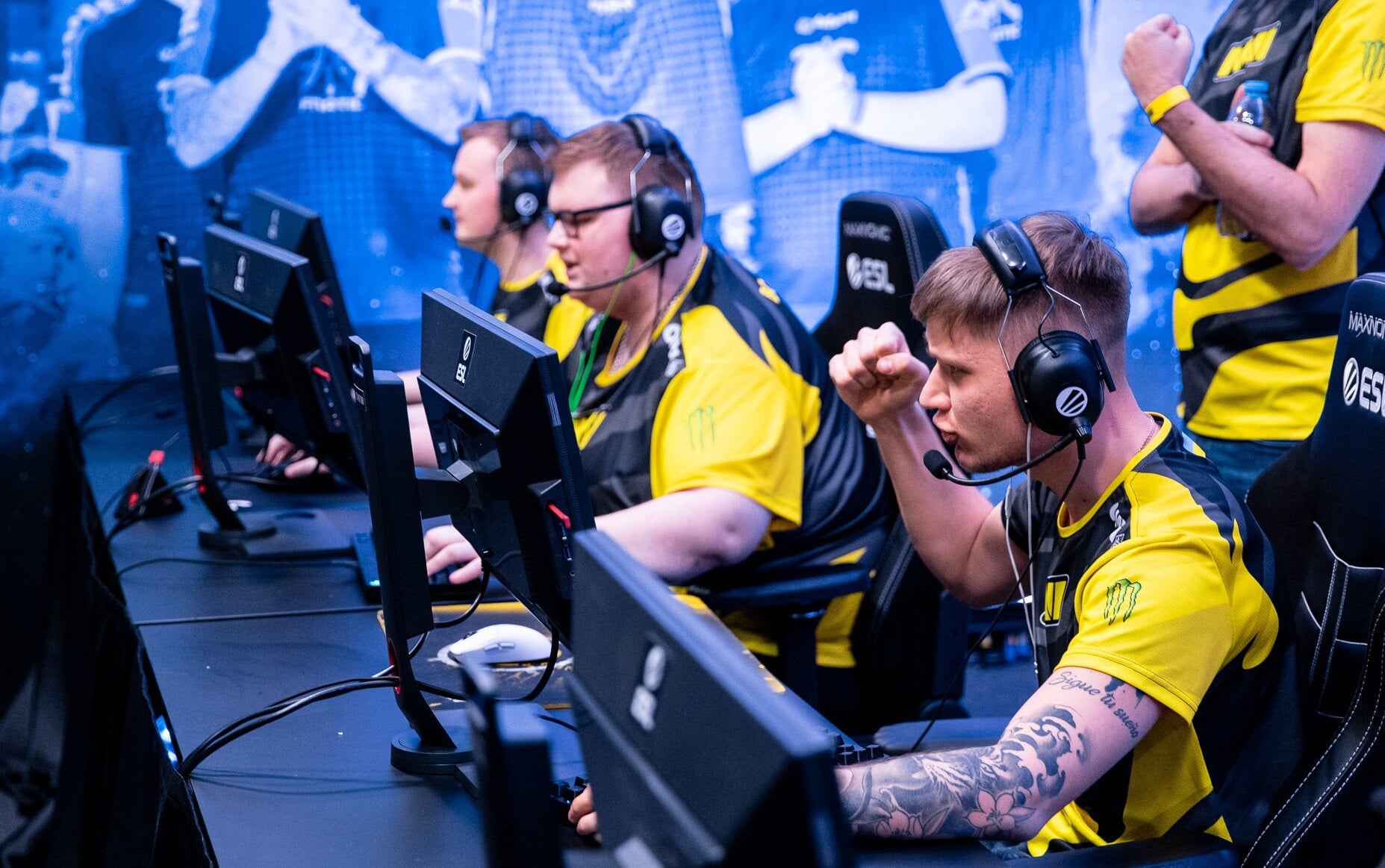
There is another important detail to this story. In recent years, Ukrainian esports has grown not only on the enthusiasm of players and fans, but also thanks to people who have systematically invested in the industry. Among them is Maksym Krippa, known as the owner of NAVI and the current president of the UESF. And here it’s important not to overstate things, but simply to acknowledge the fact: without investment, management, and a long-term commitment to this field, such stories don’t happen.
Of course, partner status alone doesn’t guarantee anything. Ahead lie qualifiers, roster building, competition, organizational issues, and the familiar test for Ukraine: whether we can turn a good opportunity into a real result. But even at this stage, the news looks impressive. Because it means that Ukraine isn’t just present on the sidelines of global esports, but is entering it as a separate player with its own flag.
And perhaps that is the most interesting part. In today’s world, a country’s reputation is not defined solely by politics, the military, or the economy. It is also shaped by culture, technology, sports, media—everything that forms a country’s image for new generations. Esports has long been a part of this reality. And if Ukraine can make its mark where the attention of millions of young people is focused today, that’s certainly no small matter.
A strong club is already a big deal. But a national team is on a whole other level. And it seems Ukrainian esports is finally getting there.