Why the European Parliament said “stop” to the trade agreement between the EU and the US
21 January 21:35
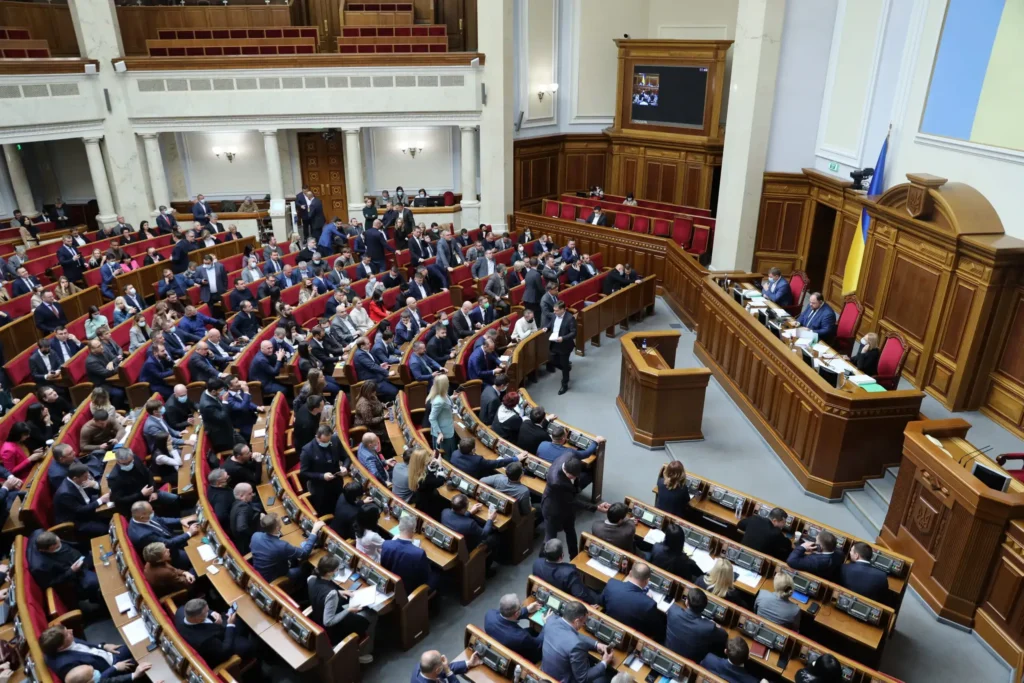
The European Parliament has suspended work on the implementation of the customs agreement between the European Union and the United States agreed in 2025, said Bernd Lange, chairman of the EP’s International Trade Committee, on Wednesday, January 21, in Strasbourg, according to "Komersant Ukrainian", citing a number of global media outlets.
According to him, the US president, threatening to impose additional tariffs in the context of the dispute over Greenland, “has finally crossed the line.” As a result, Lange noted, trade relations between the EU and the US are once again threatened with escalation.
The customs agreement with the US was supposed to lead to the abolition of customs duties on imports of industrial goods from the US to the EU, as well as to expanded access to the European market for certain types of seafood and agricultural products.
Escalation of EU-US relations
In exchange for these concessions, US President Donald Trump last summer refused to impose special 30 percent tariffs on imports from the European Union and ordered a reduction in US tariffs on cars. The European Commission has already begun preparations to implement the agreements, but they required the approval of the European Parliament and EU member states to take effect.
The new plans of the US administration provide for the introduction of punitive tariffs of 10 percent on imports from Germany and seven other European countries from February 1. According to statements by the American side, these measures are intended to increase pressure on European allies who oppose the transfer of Greenland, which is part of Denmark, to US control.
The government in Copenhagen rules out the possibility of such an agreement and has the support of a number of European states. The countries that are expected to be subject to the possible tariffs are those that have previously sent symbolic military contingents to Greenland, including Denmark, Germany, France, the UK, and the Netherlands.
Breach of agreement undermines stability
Bernd Lange said that the US had effectively violated the agreement by threatening to impose additional tariffs on European goods if Greenland did not come under US control by June. In his view, the use of trade restrictions as a tool of pressure and the threat to the territorial integrity of an EU member state undermines the predictability and stability of transatlantic trade relations.
The head of the trade committee also said that next week the European Parliament will discuss possible next steps, including the use of the EU’s instrument for countering economic coercion.
Earlier, Manfred Weber, head of the largest faction in the European Parliament, the European People’s Party, said that the leaders of the main parliamentary factions are currently opposed to continuing work on the implementation of the customs agreement with the US.
The EU will not take new measures against the US for now
On Thursday, January 22, EU countries will gather in Brussels for an informal summit to discuss the situation, but a German government representative said that no new measures against the US are planned at this meeting.
According to him, the EU’s possible response will depend on further developments, no decisions will be made at Thursday’s Euro Council meeting, and only options for action will be discussed. As the representative noted, decisions are not made at informal EU meetings.
It is expected that the 27 heads of state and government of the EU will jointly propose that the European Commission prepare so-called anti-coercive measures within the framework of the union’s trade policy. These include possible restrictions on the import and export of goods, the introduction of quotas or licenses, as well as restrictions on access to public procurement in the EU, which is estimated at approximately €2 trillion per year. One example mentioned was the possibility of excluding American companies from participating in construction or defense tenders.
EU countries are not unanimous
According to media sources, EU countries’ positions on the pace of response differ. France is in favor of faster action, while other countries prefer to proceed with caution. Berlin, meanwhile, emphasizes the need for a unified position among all 27 countries of the union.
A representative of the German government noted that German Chancellor Friedrich Merz plays a leading role in Europe, particularly in building compromises between different approaches. According to him, the EU should continue to seek a way to de-escalate the dispute with the US, but at the same time be prepared for a tough response if necessary.