Will Gas Prices Drop in Ukraine Following the Ceasefire in the U.S.-Iran Conflict: When to Expect Changes at Gas Stations
8 April 14:32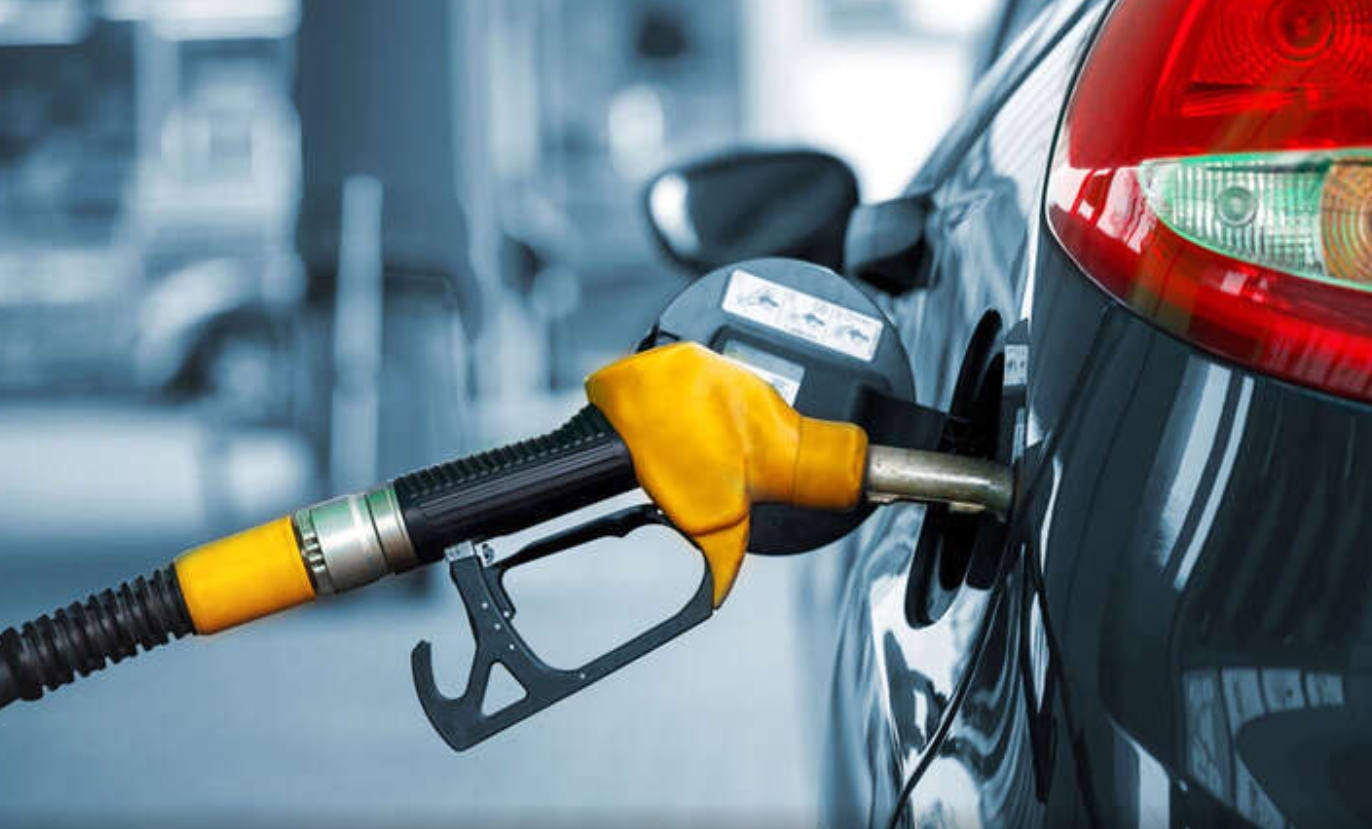 ANALYSIS
U.S. President Donald Trump’s announcement of a two-week pause in strikes against Iran and his willingness to negotiate instantly changed the situation on the global oil market. Within hours of the news of the ceasefire and the possible reopening of the Strait of Hormuz, Brent and WTI prices plummeted, and markets reacted with the sharpest drop in oil prices in many years.
What happened on the global oil market
After Trump announced a two-week suspension of bombing Iran in exchange for the opening of the Strait of Hormuz, oil prices plummeted. According to Reuters, Brent fell by 13.8% to $94.25 per barrel, and WTI by 15.4% to $95.52.
The main reason for this movement was a shift in market expectations. Over the past few weeks, oil prices had been rising due to fears of a protracted war in the Middle East, the threat of a blockade of the Strait of Hormuz, and potential disruptions to global energy supplies. Following Trump’s statement, part of this geopolitical risk temporarily subsided, and traders began to rapidly reassess the value of oil.
Why the Strait of Hormuz is so important for oil prices
The Strait of Hormuz is one of the world’s key energy routes. About 20% of global maritime oil transit passes through it. Therefore, any threat to tanker traffic in this area automatically drives up oil prices, while news of easing tensions, conversely, pushes prices down.
This is precisely what economist Andrey Novak emphasizes. In an exclusive comment
“We see that literally within minutes of the U.S. president’s statement that he is halting the bombing of Iran for at least two weeks, and with talks already scheduled for Friday under Pakistan’s mediation—the markets reacted almost instantly. And by this morning, the price of Brent crude had already fallen by 18%. This indicates that oil markets were highly sensitive to virtually every attack that took place in the Persian Gulf.”
According to the expert, the market is currently pricing in expectations of de-escalation.
“And now the market is expecting the situation to normalize, the Strait of Hormuz to reopen, and, accordingly, a further decline in global oil prices.”
Does this mean an automatic drop in fuel prices in Ukraine?
For the Ukrainian fuel market, the drop in global oil prices creates the conditions for a decrease in the cost of gasoline and diesel. Ukraine is almost entirely dependent on petroleum product imports, and therefore the dynamics of international prices directly affect the cost of fuel within the country. Reuters reported that in March 2026, Ukraine imported record volumes of fuel, and the government has already drawn traders’ attention to the need to lower prices following the drop in global prices.
Prime Minister Yulia Svyrydenko stated that fuel imports will remain high in April, and traders must adjust prices downward as prices on global exchanges decline. According to her, the state-owned company “Ukrnafta” has already begun to lower prices, and if the global downward trend continues, the decline may intensify.
Watch us on YouTube: important topics – without censorship
Why prices at gas stations may fall more slowly
Andriy Novak believes that Ukrainian gas stations may not react automatically and symmetrically to the drop in oil prices:
“Now the question is whether this will lead to lower prices at Ukrainian gas stations. This raises a very big question, because we saw how it all began at the start of the Iran war, when literally within a few hours of the first shelling, prices at all gas stations—all major gas station chains in Ukraine—rose by the same amount for every type of fuel. In other words, this was nothing less than a monopolistic conspiracy.”
The expert emphasizes that the rapid, synchronized rise in prices at the start of the crisis raised suspicions of coordinated action by major operators.
“And yet the Antimonopoly Committee of Ukraine did nothing, took no action, not even at the public level. And so there is a danger or risk that, despite the significant drop in global oil prices, this may not lead to a similarly proportional decrease in prices at Ukrainian gas stations, most likely,” Novak believes.
When will it become clear whether fuel prices will fall
According to Novak, it will take time to assess the real impact of the drop in oil prices on Ukrainian prices. The petroleum products market does not react instantly: some of the fuel at gas stations was purchased at older, higher prices, and new shipments have yet to reach the market.
“But to understand the trend, we need a period of time—at least a week—to see whether and how changes in prices on the global oil market directly affect prices in Ukraine,” he explained.
This means that the next few days will be indicative for the market. If global prices maintain a downward trend and the Strait of Hormuz continues to operate without further disruptions, then Ukrainian gas stations will have fewer and fewer reasons to maintain the current inflated prices.
At the same time, the government is already publicly signaling to traders that it expects retail prices to fall.
What’s Next for Oil
The current drop in oil prices is linked precisely to expectations of de-escalation. However, a two-week ceasefire does not yet mean a final peace. Reuters and AP emphasize that the market remains vulnerable to new statements from the U.S., Iran, and Israel, and the physical oil market is still tense, despite the sharp drop in futures prices.
Therefore, for Ukraine, the key factor will be not only today’s reaction of Brent and WTI, but also whether this trend will hold at least for the coming week. If de-escalation continues, the chance of a noticeable drop in gasoline and diesel prices in Ukraine will increase.
Read us on Telegram: important topics – without censorship
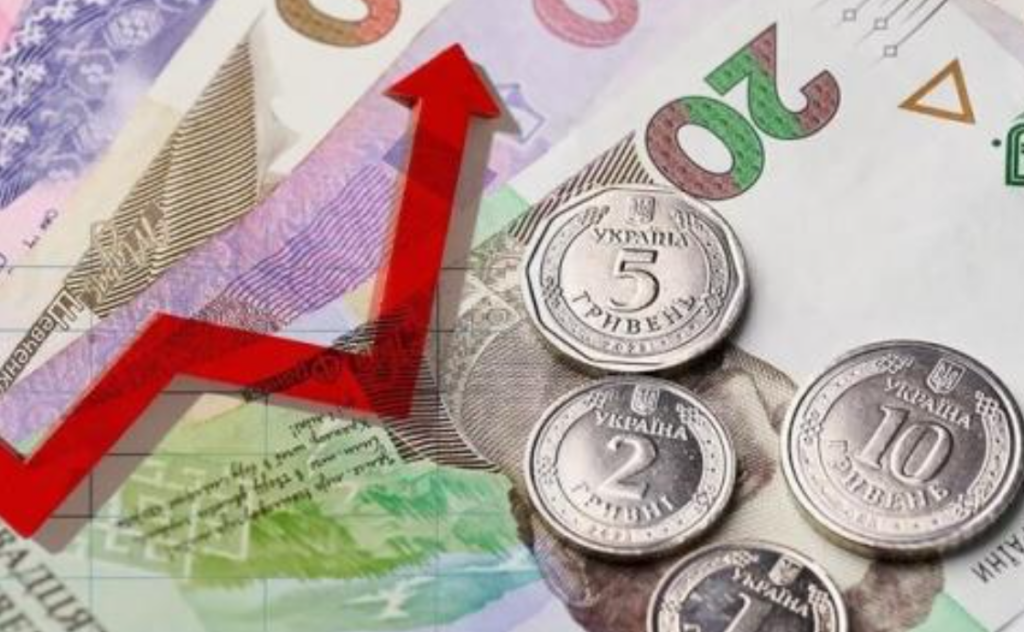
It is worth noting that as of 12:20 p.m., A-95 costs 69.90 UAH per liter at Ukrnafta, diesel fuel costs 86.90 UAH per liter, and gas costs 48.90 UAH per liter.
For comparison, yesterday, April 7, diesel at Ukrnafta cost one hryvnia more; other prices remain unchanged for now.
As a reminder, diesel fuel (DP) imports into Ukraine in March 2026 totaled 577,000 tons. This figure is 27% higher than in February and 12% higher than in March of last year. Overall, this is the highest March volume in the last five years.
At the same time, in early April, the international fuel market showed record figures, which led to a rise in retail prices in Ukraine. Diesel fuel saw the most significant price increase.
The average price of A-95 gasoline rose by 1.26 UAH/liter (72.94 UAH/liter), while premium A-95 increased by 1.36 UAH/liter (76.79 UAH/liter). Diesel fuel rose by 3.88 UAH/liter (87.90 UAH/liter), and liquefied petroleum gas increased by 1.98 UAH/liter (48.84 UAH/liter).