“Action.Signature” will operate under new rules: what you need to know
5 February 05:46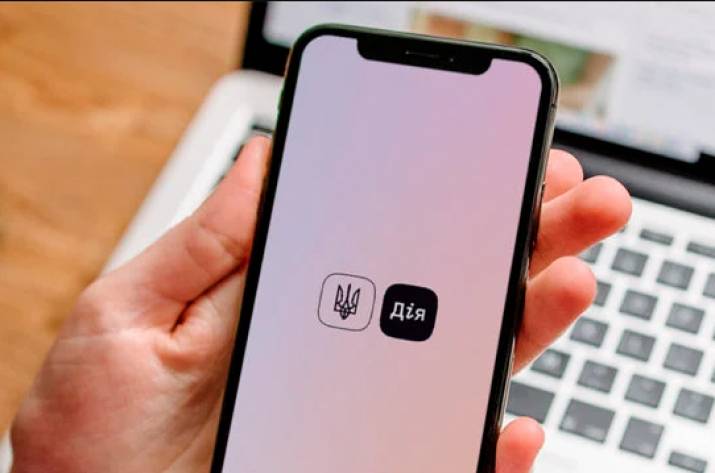
The state application Diya is changing the algorithm for creating and using Diya.Signature. From now on, users will need a physical biometric document and an NFC-enabled smartphone to activate the service. This was reported on the Telegram channel of the Diya application, according to "Komersant Ukrainian".
What exactly is changing in Diya.Signature
According to the updated rules, the creation or reactivation of Diya.Signature will take place using a new, more secure algorithm. The main goal of the changes is to increase the security and reliability of digital signatures.
At the same time, signatures that are already active will remain valid until their expiration date.
How to activate the updated Diya.Signature: step by step
To create or reactivate Diya.Signature, the user needs to:
- Go to the Diya app menu.
- Scan the number of the physical document — ID card, foreign passport, or other biometric ID.
- Add the document to your smartphone to read the data via the NFC module.
- Pass a photo verification to confirm your identity.
- Set a new 6-digit access code (previously 5 digits were used).
Who is not affected by the changes
The service emphasizes that if Dія.Підпис is already active, it will continue to work without changes until its expiration date. However, in the event of:
- deletion of the signature;
- changing your phone number;
- the service is recreated
- the user will have to go through the procedure according to the new rules.
Who will not be able to use Diya.Signature
The new requirements mean that not all users will be able to activate the service. Dія.Підпис will be unavailable if:
- the smartphone does not support NFC;
- the user does not have a physical biometric document.
Dія emphasizes that these restrictions are necessary and are related to the fight against fraud and unauthorized use of digital signatures.
Why the requirements were tightened
Service specialists explain that Diia.Signature is increasingly being used for:
- signing documents;
- obtaining government services;
- confirming identity online.
Therefore, additional identification via biometric documents and NFC should reduce the risks of forgery and illegal access to personal data.