The dollar, euro, and zloty have fallen in value: NBU exchange rates as of March 31
31 March 08:48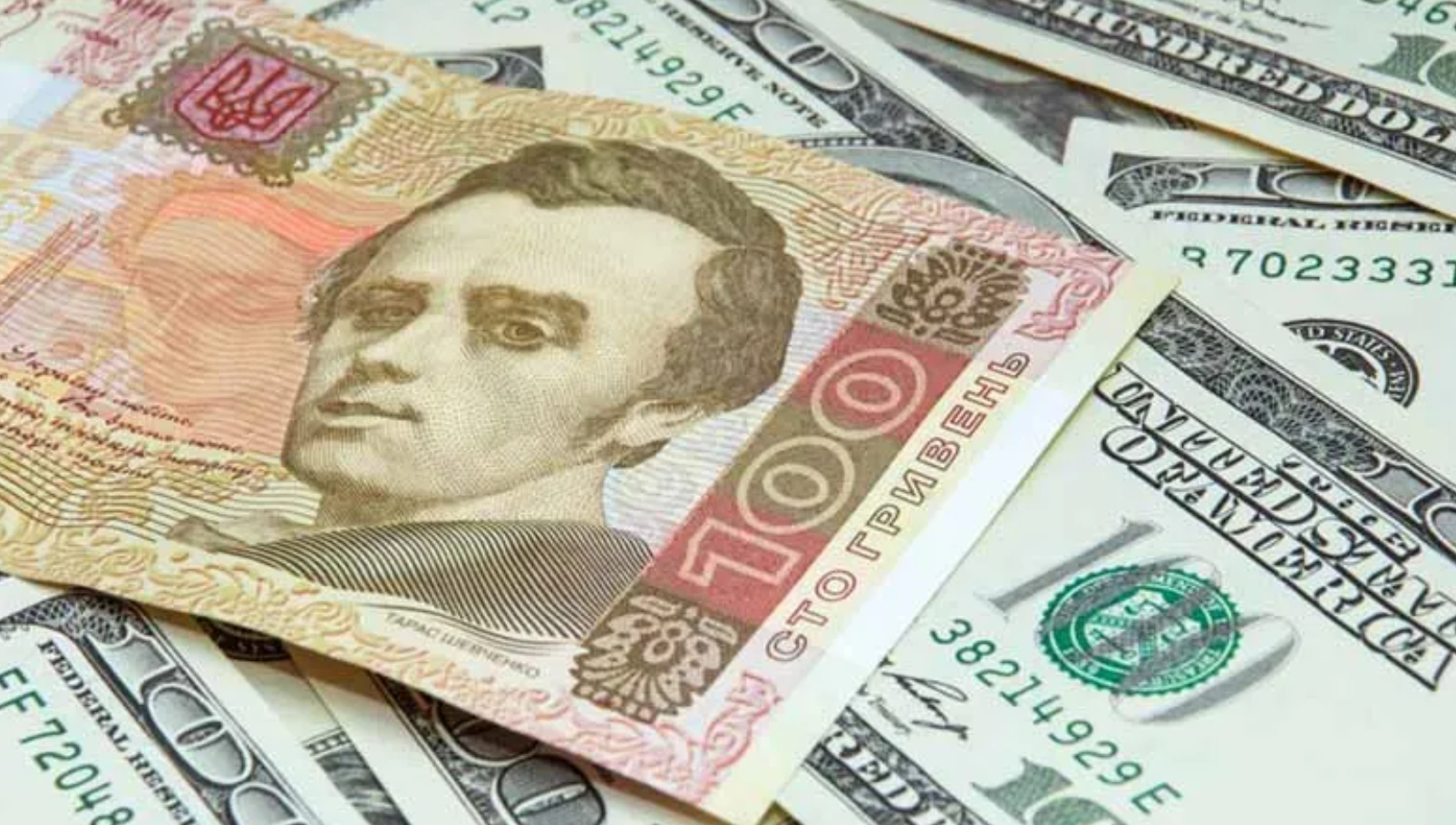
The National Bank of Ukraine has set the official exchange rates for Tuesday, March 31. The hryvnia strengthened against all three major currencies—the U.S. dollar, the euro, and the Polish zloty. The euro saw the sharpest decline, while the dollar lost 5 kopecks in value.
This is evidenced by data published on the regulator’s website, reports "Komersant Ukrainian"
What exchange rates did the NBU set for March 31?
According to official data from the National Bank of Ukraine, the following exchange rates were set as of March 31:
- 1 US dollar — 43.79 UAH
- 1 euro — 50.31 UAH
- 1 Polish zloty — 11.73 UAH
How the dollar exchange rate has changed
The official US dollar exchange rate as of March 31 is 43.79 UAH per dollar. This is 5 kopecks less than the previous day.
Thus, the hryvnia has slightly strengthened against the US currency. Such fluctuations within a few kopecks are not drastic, but they reflect the current dynamics of the currency market.
What happened to the euro exchange rate
On March 31, the euro fell the most among major currencies. The NBU set the official exchange rate at 50.31 UAH per euro, which is 17 kopecks less than before.
This means that the hryvnia has strengthened more noticeably against the European currency.
What is the exchange rate of the Polish zloty
The Polish zloty also fell in value. As of March 31 , the NBU set the exchange rate at 11.73 UAH per zloty.
Compared to the previous day, the rate fell by 4 kopecks.
What does the strengthening of the hryvnia mean
A decline in the official exchange rates of the dollar, euro, and zloty means that the hryvnia has strengthened against these currencies. For Ukrainians, this may be significant primarily in the following areas:
- purchasing foreign currency in cash;
- payments for imported goods;
- international money transfers;
- pricing of goods that depend on exchange rates.
At the same time, it is worth remembering that the NBU’s official exchange rate does not always fully correspond to the rates at currency exchange offices and banks, where currency values are also influenced by supply, demand, and fees.
What to Expect Next
Fluctuations of a few kopecks indicate relative market stability. At the same time, the situation may change under the influence of interbank trading, external economic factors, demand for currency, and the overall macroeconomic situation.
Therefore, Ukrainians planning large currency transactions should monitor not only the NBU’s official exchange rate but also market offers from banks and exchange offices.
Read us on Telegram: important topics – without censorship