Energy sector under pressure: why the NBU expects a slower decline in inflation
29 January 18:41
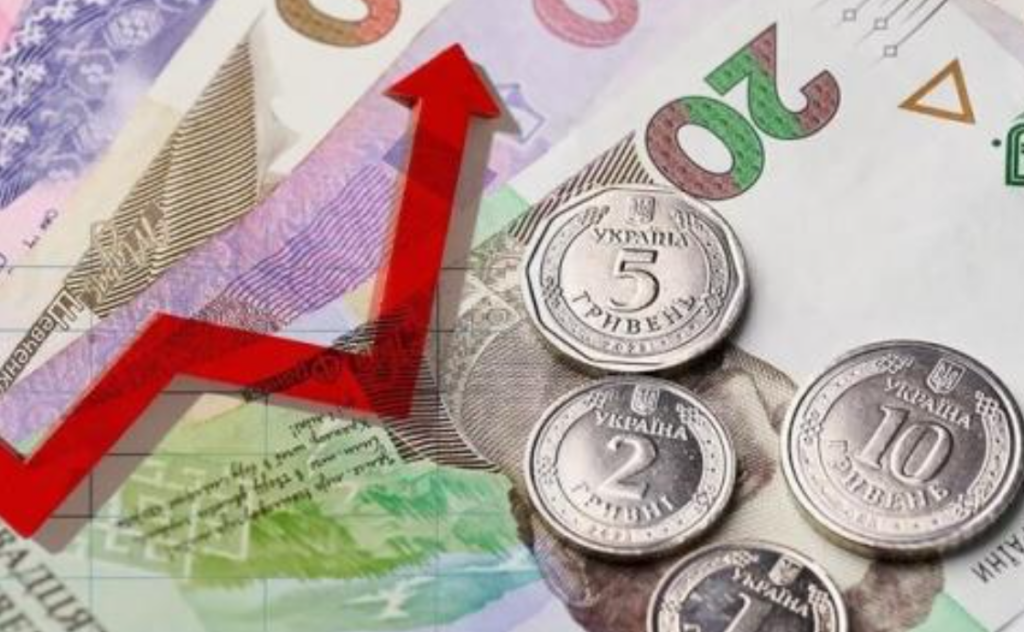
The National Bank of Ukraine has revised its inflation forecast for 2026 downward. The reason for this is the large-scale shelling of energy infrastructure, which, according to the regulator’s assessment, will create additional price pressure.
This was announced by NBU Governor Andriy Pyshnyy during a press briefing after a monetary policy meeting of the Board, according to "Komersant Ukrainian".
What exactly is changing in the forecast
According to the updated estimates, inflation in 2026 is expected to be 7.5%, while the NBU previously forecast 5.8–6%. Thus, the regulator acknowledges that the pace of price growth will be slower than previously expected.
At the same time, the NBU emphasizes that this is a moderate decline in inflation at the end of the year, rather than an acceleration to crisis levels.
Why attacks on the energy sector affect prices
According to Pyshny, the destruction in the energy sector affects inflation through several channels:
- market channels — through increased production, logistics, and service costs;
- administrative — through possible adjustments to tariffs and regulated prices.
An additional factor will be the so-called low base effect, which in the second half of 2026 could lead to a moderate acceleration of inflation on an annual basis.
Inflation in Ukraine: what the dynamics of recent years show
The NBU’s current forecast fits in with the wave-like dynamics of inflation in wartime:
- 2022 — 26.6% (peak growth amid a full-scale invasion),
- 2023 — 5.1% (sharp slowdown),
- 2024 — 12% (repeated acceleration),
- 2025 — 8% (gradual decline).
Thus, even with the revised forecast for 2026, inflation, according to the NBU’s estimates, will remain significantly lower than in the first years of the war, but higher than the regulator’s pre-war targets.
What this means for monetary policy
The revision of the inflation forecast may mean that the NBU will be forced to maintain tighter monetary conditions for longer than previously expected. At the same time, the regulator is not currently signaling a change in its overall course — controlling inflation remains a key priority.