Euroclear warns the EU against the risks of using Russian assets: what is behind the controversy over the “reparations loan” for Ukraine
27 November 2025 15:55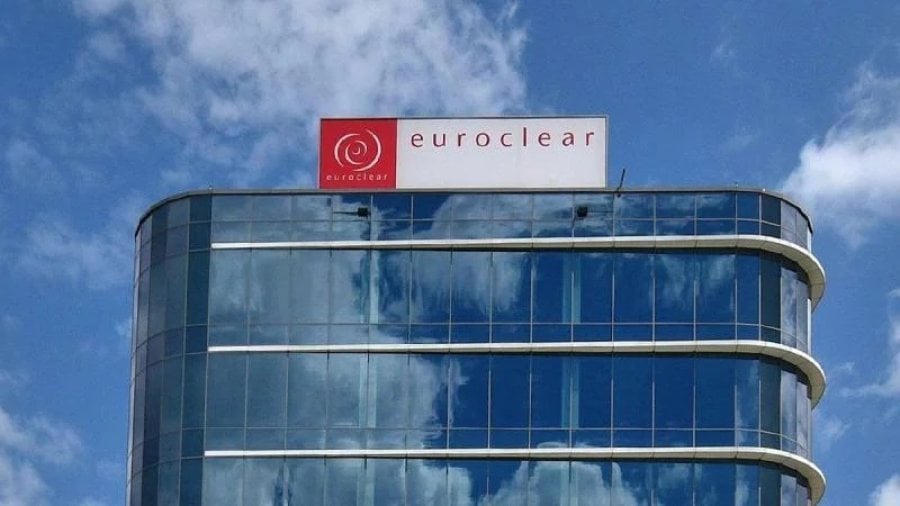
The Belgian depository Euroclear, which holds the lion’s share of frozen Russian assets in the EU, has warned European institutions about the financial and legal risks of the proposed scheme to use these funds to support Ukraine.
This is stated in a letter from CEO Valerie Urbain to European Commission President Ursula von der Leyen and European Council President Antonio Costa, which was seen by the Financial Times, "Komersant Ukrainian" reports.
Why Euroclear is sounding the alarm
In a document, Euroclear warns that the idea of providing Ukraine with up to 140 billion euros in the form of a so-called “reparations loan” – secured by frozen Russian assets – could have undesirable consequences for European financial markets. According to the depository, sovereign wealth funds and central banks may perceive such a mechanism as a de facto confiscation of another state’s reserves, which would call into question the rule of law within the EU.
Euroclear also warns that forcing an institution to invest in zero-rate debt instruments could be seen by Russia as confiscation, with a predictable response in the form of legal or political measures.
Legal risks and the requirement of guarantees
Urben emphasizes that any “reparations loan” should be accompanied by guarantees for Euroclear, as the legal risks associated with the use of frozen assets remain significant. In fact, the depositary emphasizes that it is not ready to take responsibility for possible international lawsuits.
Political context in Europe
Euroclear’s warning came amid ongoing negotiations in the EU to create a legal framework for the use of EUR 185 billion owned by the Russian Central Bank and held in European jurisdictions. Belgium, where Euroclear is located, insists on clear and shared responsibility of all member states before embarking on such a scheme.
Earlier, European Commission President Ursula von der Leyen called the “reparations loan” one of the most promising ways to cover Ukraine’s financing gap in 2026-2027.
It is expected that the use of frozen Russian assets will be one of the key issues at the European Council meeting on December 11-12 in Brussels. It is there that EU leaders can determine whether the “reparations loan” will have the political will and legal basis for implementation.