Financial stability at risk: what challenges will the 2025 budget bring?
19 September 2024 14:59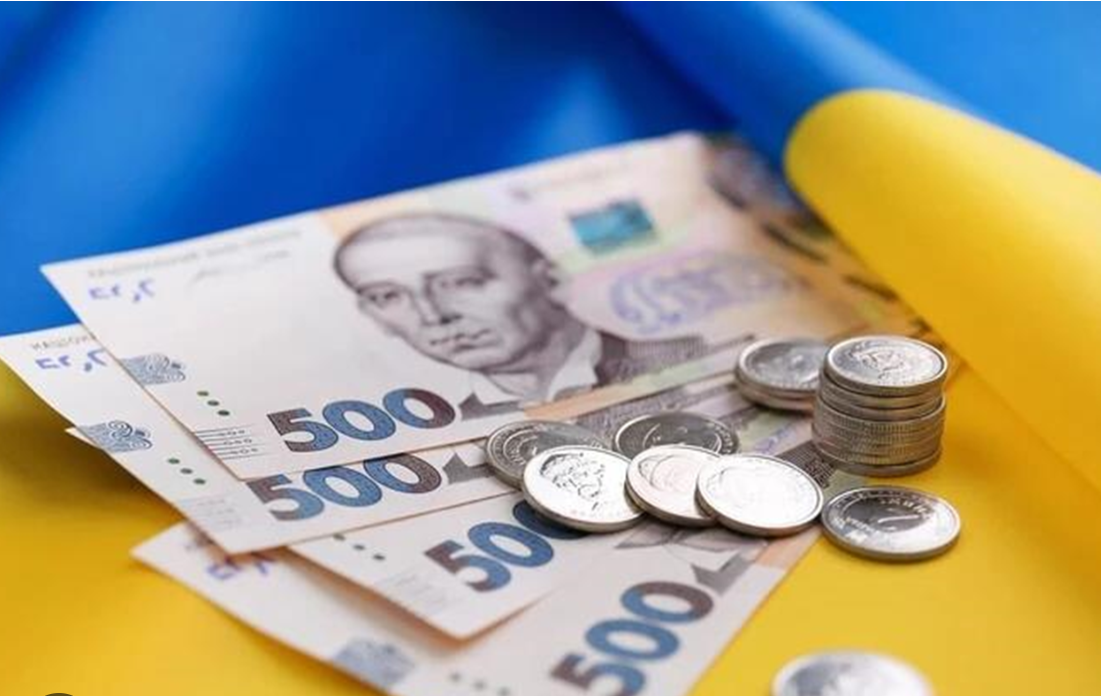 РОЗБІР ВІД
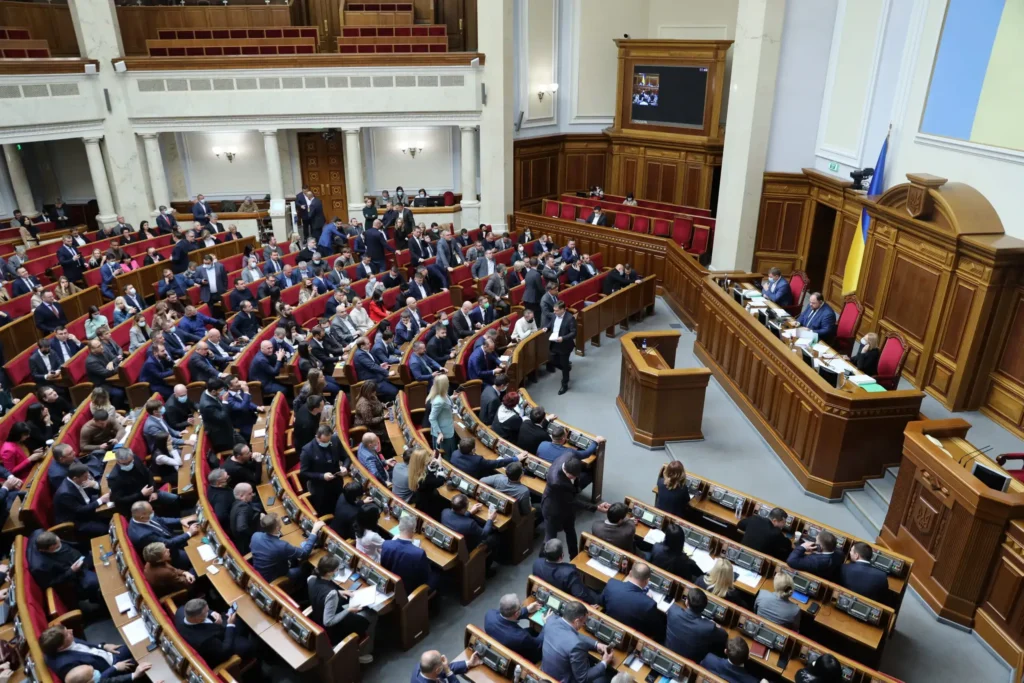
The Verkhovna Rada has presented the fourth wartime budget. Budget 2025 will be a new challenge for Ukrainians on the home front, as economists have already warned. Danylo Hetmantsev, Chairman of the Finance Committee, expressed his first impression of the draft budget. He says that next year we will face a slowdown in the economy, an increase in consumer price growth, and further projected hryvnia devaluation. What Ukrainians should prepare for and how much money the whole country will lack in 2025, "Komersant Ukrainian" found out.
The draft state budget for 2025 was presented to MPs. And while the parliament will propose amendments, which will take 10 days, the main trends of the budget are already visible. First Deputy Chairman of the Budget Committee Ivan Krulko in an exclusive commentary
“This budget, as in previous years of the budgetary situation, is very deficit. Only 50 per cent of the budget is covered by Ukraine’s own revenues. This means that the other half – social payments, pensions – will be covered by international assistance, external and internal borrowing,” said Ivan Krulko
There are doubts about international assistance
According to Ivan Krulko, First Deputy Chairman of the Budget Committee, while last year there was a clear understanding of international assistance, at the end of 2024 many questions remain open.
“The draft law is not simple. This year, we do not have clear answers as to whether the budget and the existing deficit will be covered by international assistance. We will communicate at the parliamentary committee meeting, with the government and the Ministry of Finance to understand the realism of the 2025 budget,” Ivan Krulko said.
Social standards, exchange rate and salaries
Ivan Krulko calls social standards, which are not improving, the key problem of the 2025 budget.
“All social standards remain at the level of 2024. Given the level of inflation and rising consumer prices, it is absolutely wrong to leave the same income for the poorest segments of the population at the same level,” said Ivan Krulko.
Indeed, according to the budget plan for 2025, the government expects price growth to accelerate and the hryvnia to devalue further. Consumer prices are expected to grow by 8%, and inflation will reach 9.5% by the end of the year. Industrial inflation will exceed this mark and reach 11%. For comparison, at the end of 2023, inflation was around 5%.
In addition, the hryvnia is expected to weaken further. The government is basing its calculations on an exchange rate of UAH 45 per dollar, while the 2024 budget was based on an exchange rate of UAH 40.8 per dollar.
The government also expects the average salary to increase from UAH 20.5 thousand to over UAH 24 thousand due to a shortage of qualified personnel. However, the main social standards, including the subsistence minimum and minimum wage, will remain at the level of UAH 8,000 in 2024.
Despite the unchanged social standards, pensions will be subject to indexation. Pension expenditures remain the largest social expenditure in the budget, second only to defence spending. The Pension Fund will receive UAH 238 billion, while UAH 210 billion is allocated for healthcare and UAH 170 billion for education.
In addition, the government plans to allocate UAH 42.3 billion for subsidies for about three million families, but these funds do not take into account possible tariff increases.
How much money will the government spend on the war?
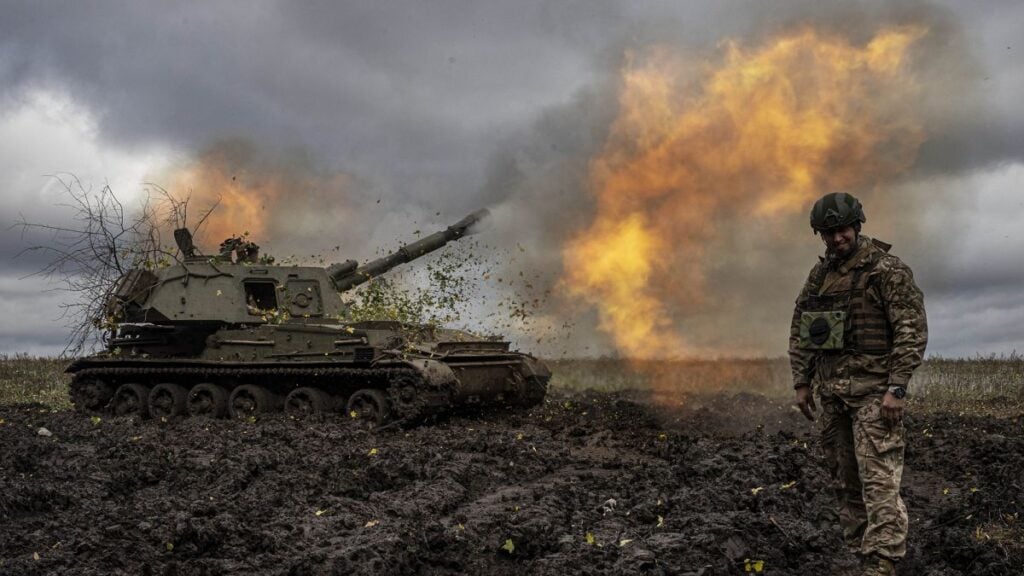
In 2025, defence spending will account for more than a quarter of the country’s GDP and more than half of all budget expenditures. The amount will exceed UAH 2 trillion. Of this amount, UAH 1.1 trillion will be spent on salaries and wages for the military. The government plans to allocate more than half a trillion hryvnias for the purchase of weapons and equipment.
To ensure funding for the army amid the economic slowdown, the government proposes to increase tax rates. Parliament has already adopted the first tax changes. In particular, the military tax was raised from 1.5% to 5%, and taxes on the first and second groups of individual entrepreneurs were increased. These changes are expected to bring UAH 58 billion to the state budget in 2024 and UAH 137 billion in 2025.
Despite the new tax initiatives, VAT and personal income tax will remain the main sources of budget revenues. In particular, the personal income tax is expected to provide the largest increase in tax revenues – by more than UAH 150 billion.
The military, in turn, cites other problems. Veteran of the Russian-Ukrainian war, public figure Oleh Symoroz in a commentary
“The main problem with the 2025 budget is that there is not a single word about increasing spending on material support for the military,” said Oleh Symoroz.
Where to get the money?
Economist Andriy Dligach in an exclusive commentary
“We have conditional guarantees of continuation of the IMF programme, but there is not much left. We have a programme with the EU, and next year we will receive about $12 billion under the Ukraine Facility, but this also requires certain conditions to be met. The question is where to get the remaining $25 billion,” said Andriy Dligach.
The main hope is that the future proceeds from the use of Russia’s frozen assets of $50 billion will be used to help Ukraine this year and next.
However, in unison with the review of the budget, The New York Times states that the plan to help Ukraine use Russian money is in limbo due to technical and legal obstacles in the United States and the European Union. They say that our partners are trying to agree on how to arrange a $50bn loan to Ukraine using the frozen assets of the Russian Central Bank. At the same time, without violating the law,
Economist Andriy Dligach is convinced that increasing taxes is not the solution to the budget problems. Taxes on income are more likely to reduce economic activity. However, taxes on assets and excise taxes can and should increase in the near future, the economist says.
Author: Anastasia Fedor