Gdansk “deadlock”: how Russia is trying to keep the empty consulate and how Poland will respond
22 December 2025 18:51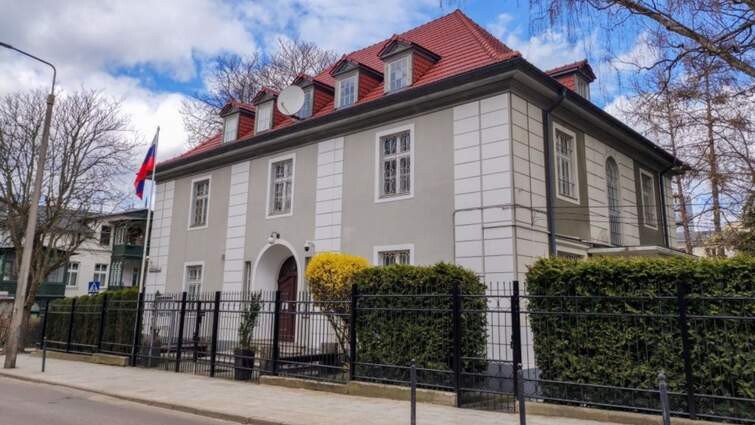
The Russian consulate in Gdansk is set to expire at midnight on December 23, but the diplomatic rift is turning into a protracted legal battle over the property. Moscow has come up with a way to keep the building, despite accusations of sabotage and the official closure of the institution. RMF24 writes about this, "Komersant Ukrainian" reports.
An attempt to “cling” to the walls
A few days before the official closure of the Consulate General of the Russian Federation in Gdansk, the situation took on the characteristics of a diplomatic detective story. According to the city’s vice president, Emilia Lodzinska, Russia refused to voluntarily transfer the buildings on Stefan Batory Street to the Polish state.
Moscow’s argument sounds purely technical: the embassy’s “administrative and technical staff” will allegedly remain in the building. This allows the Kremlin to argue that the facility continues to have the status of diplomatic property, although its functional purpose has been effectively canceled.
Legal vacuum and debts of the past
The conflict over the buildings numbered 13 and 15 in the Wrzeszcz district has deep roots:
- The Polish registry lists the state as the owner of the property. Russia claims that it has been using the buildings for free since 1951.
- For years, the Russian side has not paid bills for the use of the facilities. Lawsuits to recover the debt have already been filed by the Polish side, but enforcement mechanisms for diplomatic facilities have always been limited.
Emil Royek, Deputy Governor of the Pomeranian Voivodeship, emphasizes that as soon as the consulate officially ceases to operate, it will lose its diplomatic immunity. This opens the way for Warsaw to forcibly but legally evict them through the Prosecutor General’s Office and the court.
Why is this happening now?
The decision to close the consulate, made by Minister Radoslaw Sikorski on November 19, was not another act of “diplomatic warfare.” It was a direct response to the sabotage of the railroad between Warsaw and Lublin. Polish intelligence services are convinced that Russian interests are behind the attempts to destabilize transportation routes.
Irkutsk as a bargaining chip
Moscow has traditionally resorted to mirror measures, announcing the closure of the Polish consulate in Irkutsk. This decision hits the ties of the Polish diaspora in Siberia, but for Warsaw, the security aspect within the country is currently a priority.
If the Russian side does not vacate the premises by the morning of December 24, Gdansk is preparing for a lengthy legal process with the further involvement of bailiffs.