The idea of building a nuclear power plant in the occupied territories: Lukashenko and Putin discuss new project
26 September 2025 18:44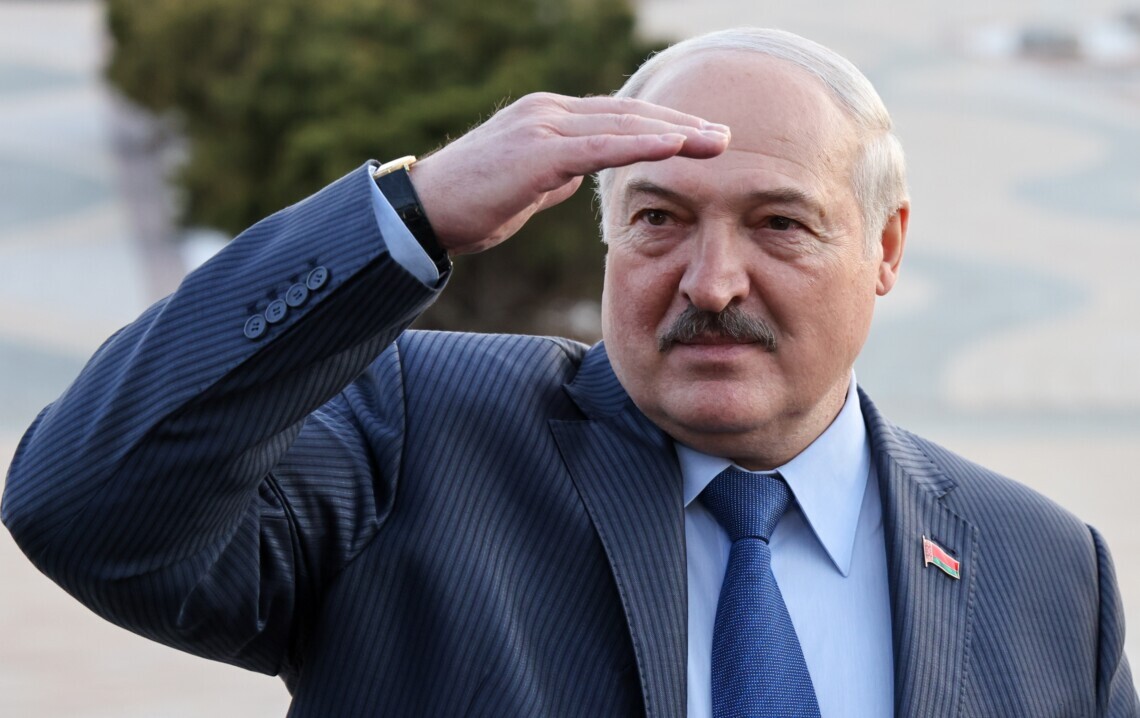
Self-proclaimed President of Belarus Alexander Lukashenko has declared his readiness to build a nuclear power plant in the Russian-occupied territories of Ukraine. He announced the initiative during a meeting with Russian President Vladimir Putin in the Kremlin. This was reported by Reuters, according to "Komersant Ukrainian".
Lukashenka explained that it is about the possible supply of electricity to the western regions of Russia and the so-called “liberated areas.” He emphasized that Belarus is ready to start work immediately after a political decision is made.
In response, Putin said that the issue of financing does not cause any difficulties, provided that there are “consumers who will take electricity at the established tariff.”
Context
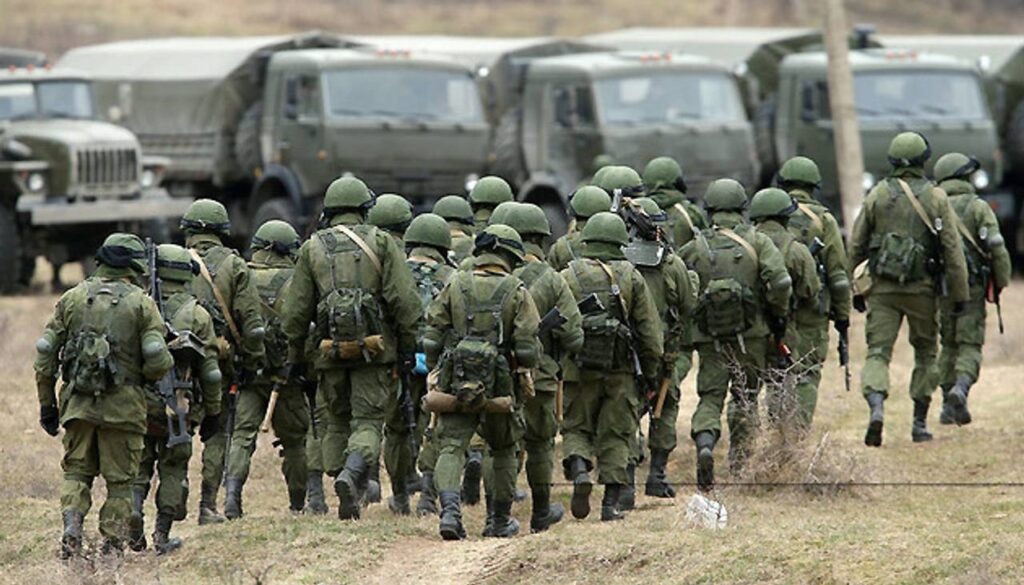
Since 2022, Russia has occupied part of Ukraine’s territories, including the Zaporizhzhia Nuclear Power Plant, the largest in Europe. Its operation under the control of the Russian military has repeatedly raised concerns of the IAEA about nuclear safety risks.
The construction of new nuclear facilities in the occupied territory would be contrary to international law, as Ukraine and the international community do not recognize Russia’s claims to these lands.
For Lukashenka, such an initiative could be a way to deepen his dependence on the Kremlin and bolster his own political legitimacy by demonstrating “joint projects” with an ally.
Why it matters
- International reaction: The possible construction of a nuclear power plant in the occupied territory would raise new questions for the IAEA and Ukraine’s Western partners.
- Energy dimension: Moscow is trying to show control over the infrastructure and readiness to “integrate” the occupied regions.
- Political signal: Lukashenka once again demonstrates his full support for the Kremlin, despite criticism from the international community.
As a reminder, on September 16, Lukashenka signed a decree pardoning 25 convicts, including those who had previously been found guilty of “extremist crimes” by the Belarusian authorities. The move was perceived as part of his attempt to create the appearance of political flexibility, but the repression in the country continues.