Investors are afraid to invest in Ukrainian shopping malls due to the threat of new attacks
10 September 2024 05:19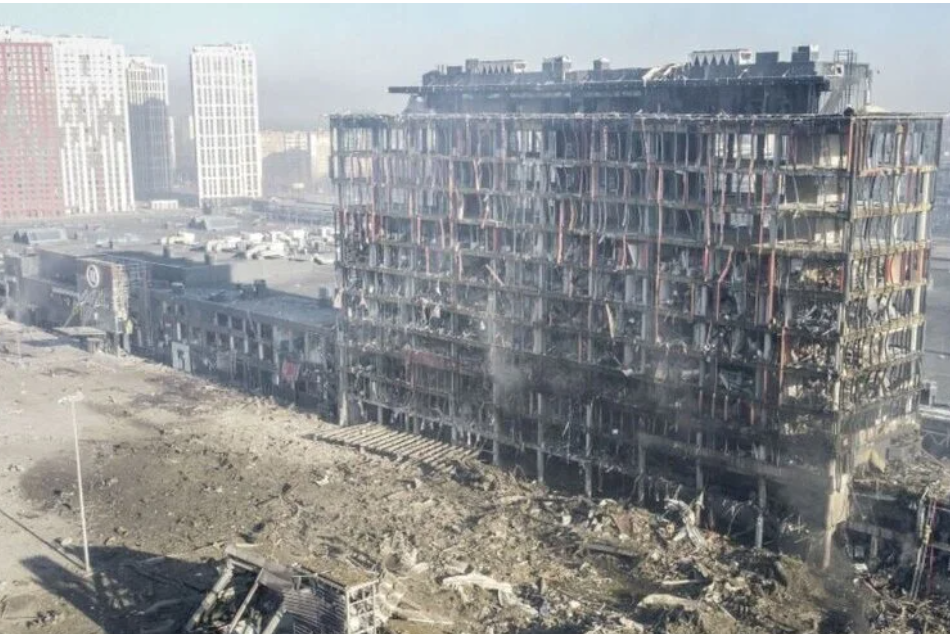
In Ukraine, where 35 shopping centres have been destroyed by enemy shelling, only 17 of them have been able to reopen. This statistic highlights the depth of the problem facing commercial property in the country amid the war. The main obstacles to investment in the sector remain the risks of repeated shelling and socio-economic instability in the affected regions, "Komersant Ukrainian" reports, citing the Ukrainian Council of Shopping Centres (UCC)
the 35 damaged or destroyed shopping centres are 10% of the total number of shopping centres in Ukraine.
According to the organisation, there are 311 shopping malls in Ukraine, with the largest number in Odesa (25), but Kyiv is the leader in terms of saturation of shopping malls per 1,000 inhabitants. The capital is home to two of the largest shopping malls in Ukraine – Blockbuster Mall (450,000 sq m) and Respublika Park (300,000 sq m).
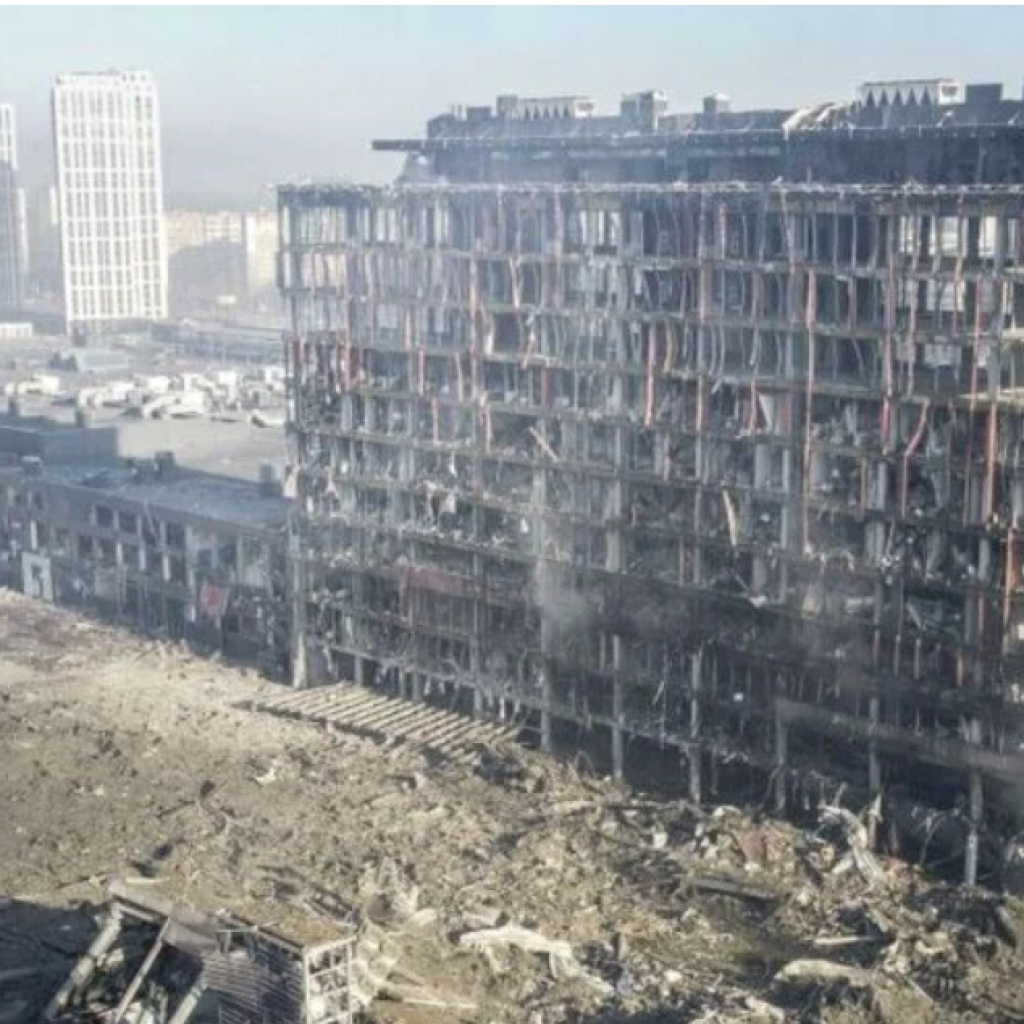
Shopping centres suffered the greatest damage in the first year of the full-scale invasion of Ukraine. Then they suffered:
- Port City shopping mall in Mariupol (completely destroyed during the seizure of the city);
- Nikolsky in Kharkiv (destroyed by a Russian missile on 9 March 2022);
- “Karavan in Kharkiv (about 50% of the shopping centre was destroyed during shelling at the beginning of the war);
- Retroville in Kyiv (shelled by Russian troops on 20 March 2022);
- Fabrika in Kherson (damaged by Russian troops on 5 March 2022);
- Amstor shopping centre in Kremenchuk (destroyed by a missile attack by Russian forces on 27 June 2022);
- Amstor shopping centre in Mariupol (first destroyed and then demolished by the occupiers of the city).
The list should also include Ukraina shopping centre in Mariupol and Jazz shopping centre in Sievierodonetsk.
Maksym Havryushyn, Chairman of the Ukrainian Council of Shopping Centres, said that the extent of damage varied, with 17 out of 35 damaged shopping centres resuming operations.
The most expensive renovations were carried out at Nikolsky shopping centre in Kharkiv, Riviera Shopping City in Odesa and Retroville in Kyiv. Investments in the restoration of Nikolsky shopping centre reached EUR 18 million.
“First of all, large shopping centres and those that sustained relatively minor damage have resumed their operations. These include Nikolsky and Dafi shopping centres in Kharkiv, Riviera Shopping City in Odesa, Retroville in Kyiv, and Apollo in Dnipro. However, more than 400 thousand sq m, which is 7% of the leasable area of Ukrainian shopping centres, remain closed, most of them damaged. The rest of the shopping centres are operating,” said Gavryushin.
However, the expert emphasises that the issue of restoring retail space is not only about the extent of the damage or the amount of money needed for restoration. The problem is also that most of the damaged shopping centres are located in regions where the fighting is ongoing and the shelling is very intense. These are Kharkiv, Donetsk and Kherson regions.
The main reason why investors do not invest is the high risk of repeated shelling. In addition, the socio-economic situation in these regions remains difficult. The population of the cities has significantly decreased. For example, in Kherson, about 20% of the population is left. In such circumstances, even if the shopping centre is restored, the return of tenants will be a big question mark. In other words, compared to the pre-war situation, the risks have increased significantly, while the revenue side has decreased. Therefore, not all shopping centres are ready for renovation, says Gavryushin.
The largest shopping malls that have not resumed operations and are located in the government-controlled territory are Kharkiv’s Karavan shopping mall and Fabrika shopping mall in Kherson.