Who will become the new Pope: bookmakers name a favorite
23 April 2025 22:49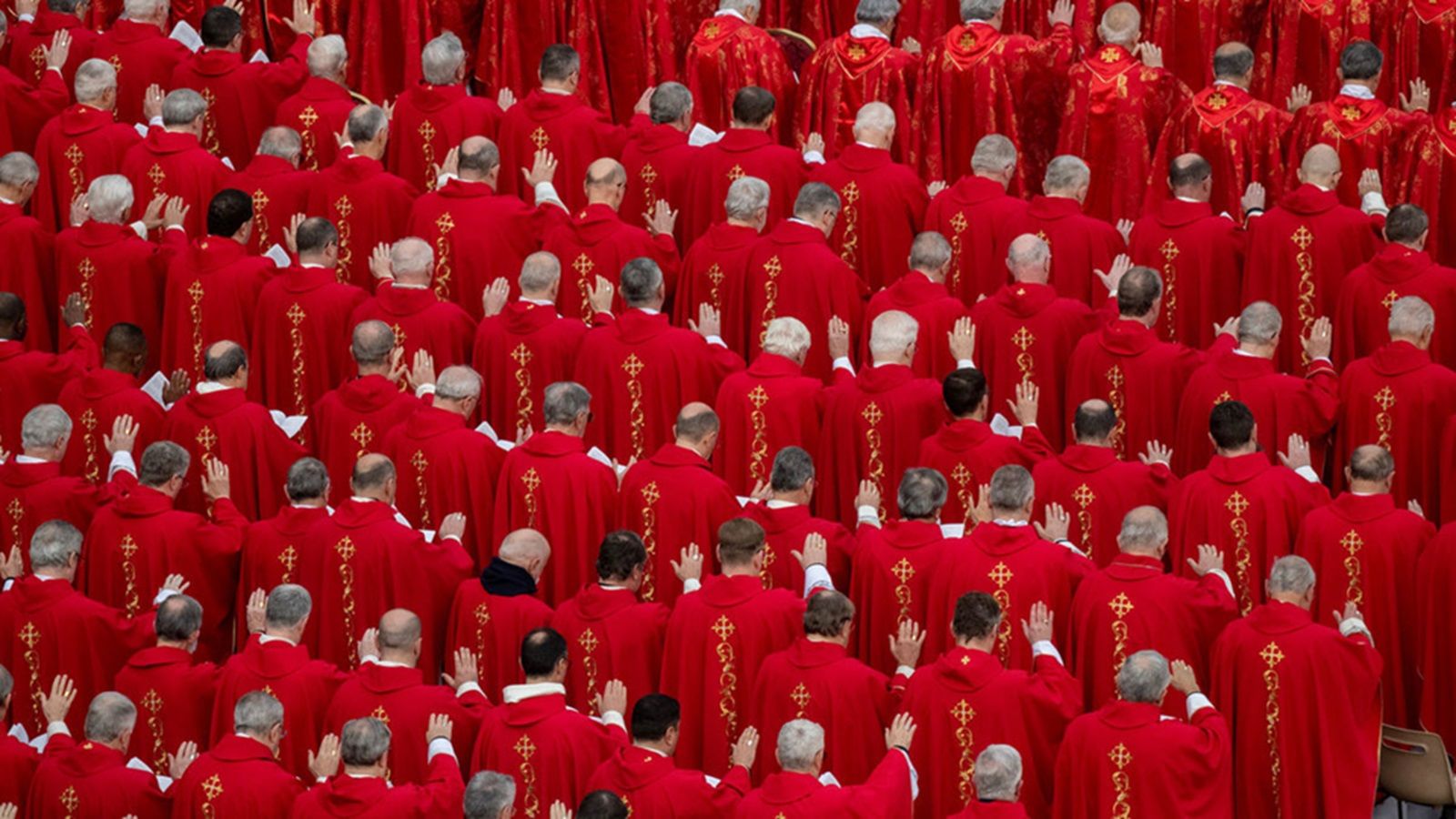
The blockchain betting platform Polymarket has started accepting bets on the main intrigue of the Vatican – who will become the new Pope after the death of Pope Francis, "Komersant Ukrainian" reports
Among dozens of candidates, the leader of the race is currently Italian Cardinal Pietro Parolin, with 28% of the platform’s users betting on him.
Polymarket’s rating is based on real bets made by users who place bets depending on the probability of an event. In the case of the conclave, bets reflect not only religious sympathies but also political sentiment.
Favorites of the papal race:
- Pietro Parolin (Italy, 70 years old) – 28%
- Luis Antonio Tagle (Philippines, 67 years old) – 20%
- Matteo Maria Zuppi (Italy, 69 years old) – 10%
The chances of the other cardinals are estimated at less than 10%, making these three the main contenders for the Papal throne.


Who is Pietro Parolin?
Secretary of State of the Holy See since 2013, Pietro Parolin has extensive experience in international diplomacy. He has worked in the Vatican’s missions in Nigeria, Mexico and Venezuela, and has been involved in global security issues, including promoting the nuclear non-proliferation treaty with the IAEA.
In 2018, Pope Francis granted him the title of cardinal bishop, the highest rank in the Catholic hierarchy.
Other contenders: Tagle and Zuppi
Luis Antonio Tagle, often called the “face of Catholic Asia,” is a symbol of renewal and openness. He was already a participant in the 2013 conclave and regularly appears on the lists of possible successors to the Pope. After Francis’ hospitalization in 2025, his name became relevant again.
Matteo Maria Zuppi, Archbishop of Bologna and head of the Italian Bishops’ Conference, is known for his progressive stance and active diplomatic activities. In particular, in October 2024, he visited Moscow on a humanitarian mission to end the war in Ukraine, and at the end of 2023 he was awarded the Ukrainian Order of Merit.
Ukrainian to participate in the conclave for the first time
A special feature of this conclave will be the participation of a Ukrainian bishop for the first time: Mykola Bychok, a 45-year-old hierarch of the Ukrainian Greek Catholic Church who heads the diocese in Australia.
He is from Ternopil and represents a new generation of Ukrainian clergy.
After the death of the Pope, the Vatican entered a period of sede vacante, when the College of Cardinals took over the administration of the Church. Traditionally, this period lasts 15-20 days, during which the cardinals prepare for a conclave, a secret vote to elect a new pope.
Approximately one month after the Pope’s burial, the process of searching for a new leader of the Church will begin.
How is the new Pope elected?
The election of the Pope is held in a closed session during a conclave. At the time of writing, 137 cardinals under the age of 80 can participate in the conclave, although the official limit is 120. The overwhelming majority of these cardinals were appointed by Pope Francis, which largely forms the ideological basis of the upcoming election.
“The group that elects the pope is the most influential electorate in the world,” writes the Financial Times.
Unlike the election of political leaders, the process of electing a pope is completely closed to public pressure. Cardinals are isolated, limited in communication, and vote after a series of prayers and discussions.
How does the voting take place?
Voting in the conclave is a series of secret rounds, during which each cardinal voter writes the name of his candidate on the ballot. To elect a pope, at least two-thirds of the votes must be cast (if there are 137 voters, 92 votes). If the number of cardinals is not divisible by three, an additional vote is required.
Voting rounds. Four rounds are held daily: two in the morning and two in the afternoon. After each session, the ballots are burned in a special furnace, and the smoke goes out through the Sistine Chapel chimney:
- Black smoke (with added chemicals) means that the pope has not been elected.
- White smoke signals the successful election of a new pontiff.
Announcement ofthe result. Once the required majority is reached, the new pope chooses a name, and the cardinal protodeacon announces to the world Habemus Papam!
The process can last from several hours to several days. For example, the election of Pope Francis in 2013 took two days, while in the past conclaves could last for weeks.
Who are the favorites for the papacy?
After the death of Pope Francis on April 21, 2025, attention has focused on the papabili – potential candidates for the office of pope. Although speculation about a successor during the pontiff’s lifetime is considered disrespectful, discussions have intensified since his death. Here are the key candidates:
- Pietro Parolin (Italy, 70 years old). Vatican Secretary of State, whom the US Catholic calls “a consummate diplomat.” He participated in the 2014 US-Cuban thaw and the Vatican’s 2018 agreement with China. His moderate views make him a favorite in times of geopolitical instability.
- Luis Antonio Tagle (Philippines, 67). A charismatic and media-friendly cardinal who could become the first Asian pope. His progressive views on social justice are close to Francis’, and his fluency in English makes him a unique candidate.
- Peter Turkson (Ghana, 76). A representative of Africa, where the Catholic population is growing. His liberal views on the environment and homosexuality are controversial, which reduces his chances as a unifying candidate.
- Peter Erdo (Hungary, 72). A conservative intellectual who is considered a compromise choice. His experience in managing the church under Hungarian autocracy could be valuable.
- Mykola Bychok (Ukraine, 45). The youngest cardinal, bishop of the Melbourne Eparchy of the UGCC in Australia. His candidacy is a “wild card” because of his youth and active position on the war in Ukraine. As Daniel Gallagher noted in Crisis Magazine, history shows that young popes are not uncommon.