When is Apple Savior 2024: date of celebration, do’s and don’ts
5 August 2024 13:22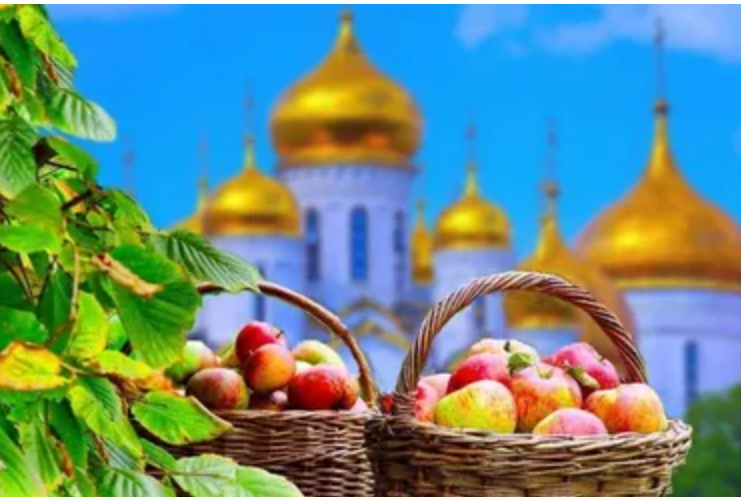
Apple Savior is one of the most important religious holidays for believers, which is also considered the main feast of the Savior and marks the Feast of the Transfiguration of the Lord. This holiday symbolises the end of summer and is a time to thank the Lord for the ripe fruits and the beginning of the harvest. Traditionally, baskets of apples and other fruits and vegetables of the season are blessed on this day.
Read the article by Kommersant Ukrainian to find out when Apple Savior is celebrated according to the new calendar, what are the traditions and prohibitions
Apple Savior 2024: date of celebration
on 1 September 2023, the Orthodox Church of Ukraine (OCU) and the Ukrainian Greek Catholic Church (UGCC) switched to the New Julian calendar, which means that the majority of church holidays are now celebrated 13 days earlier.
Thus, the Feast of the Transfiguration of the Lord or Apple Savior in 2024 is celebrated on 6 August. Previously, this holiday was celebrated on 19 August.
What does the Feast of the Transfiguration of the Lord mean: the history of its origin
The Feast of the Transfiguration of the Lord is one of the twelve biggest Christian holidays, second only to Easter. The history of this holiday dates back to the fourth century, when it was introduced in Eastern churches and combined with local pagan festivals dedicated to the harvest. In the West, this holiday became common only in the 15th century.
In Ukraine, the Transfiguration of the Lord has a special significance and is better known as the Apple Savior. This holiday combines Christian and pagan traditions, which indicates its deep historical roots. Apple Savior is one of the three Savior’s feasts, along with Honey and Walnut Savior, and symbolises the beginning of the autumn harvest. The Slavs believed that on this day nature began to “turn” to autumn, and therefore did not eat apples from the new harvest before the Apple Savior, considering it a bad omen.
The Transfiguration of the Lord is described in the Gospels as an event where Jesus Christ, taking with him three apostles – Peter, James and John, climbed Mount Tabor. While praying, Jesus’ face shone like the sun, and his clothes turned white as snow. The prophets Moses and Elijah appeared on the mountain and spoke to Jesus about his imminent departure. This phenomenon testified to the divine nature of Jesus and foretold his voluntary death for the salvation of humanity.
The Feast of the Transfiguration reminds us of the possibility of personal spiritual transformation through self-improvement and emphasises the importance of faith in the divinity of Jesus Christ. On this day, believers bless apples and other fruits of the new harvest in churches, symbolising gratitude for the bounty of nature. The Feast of the Transfiguration of the Lord is not only a religious rite, but also a cultural event that preserves the traditions and customs of our people.
What is celebrated on the Apple Savior?
On this day, believers bring baskets with autumnal gifts of nature, such as apples, pears, plums, grapes, carrots, tomatoes and horseradish, to church for their consecration. This rite symbolises gratitude to God for the bounty of nature and the beginning of the harvest.
In addition to fruits and vegetables, honey, bread and flowers are also blessed on Apple Savior. It is believed that the bread placed in the festive basket symbolises prosperity and happiness in the family, while honey is a symbol of sweet life and God’s grace.
It is important to remember that on this day, it is forbidden to put meat and alcohol in the basket, as this holiday falls during the period of the Assumption Lent, during which these products are prohibited for consumption. It is also forbidden to put money in the festive basket.
Apple Saviour 2024: celebrating traditions
On this day, solemn services are held in churches, where parishioners, dressed mainly in white or light-coloured clothes, bring baskets of fruit and vegetables. Autumn fruits are blessed in church as symbols of nature’s bounty.
The blessed gifts are distributed among family members, as well as brought to cemeteries and left on the graves of loved ones, expressing respect and memory of the dead. In addition, it is believed that blessed fruits and vegetables should be given to neighbours and beggars. People believe that this brings prosperity and blessings for the coming year.
One of the most popular traditions on Apple Savior is apple fortune-telling. It is believed that if you make a wish after blessing an apple and take a bite, the sweet taste of the fruit will indicate a high probability of your wish coming true.
There is also a tradition among housewives of baking with apples from the first harvest. Popular dishes are lean pies and cakes that are made without the use of animal products.
On the Internet, you can also find an ancient ritual for cleansing the house with an apple, a candle and a rope. To do this, cut an apple in half, cut out the core, insert a church candle into one of the halves and walk around the house with it, reciting prayers. After the ritual is complete, the apples are joined together, tied with a rope, and buried away from the house, symbolising the cleansing of the space from negativity.
What shouldn’t you do on Apple Savior?
As with other church holidays, there are certain restrictions and prohibitions during the Apple Savior:
- On this day, you should refrain from any physical work, in particular, it is forbidden to work hard, clean, repair and do needlework. You should also postpone work in the garden and vegetable garden. However, on this day, housewives bake lean products with apples and honey, so cooking lean dishes is allowed;
- It is forbidden to eat meat, dairy products and eggs, as this holiday falls during the period of the Assumption Fast. However, on this day it is allowed to slightly extend the fast and add fish and fish dishes to the diet;
- No noisy feasts or alcoholic beverages should be held, so the celebration should be quiet and family-friendly;
- It is necessary to refrain from intimacy, as this holiday involves a period of physical and spiritual purification;
- You should also refrain from quarreling and swearing, so as not to bring negative emotions and misfortune on yourself and your family.
Author – Olya Yushko