Cats and dogs can be bequeathed: Ukraine updates its Civil Code
27 January 09:18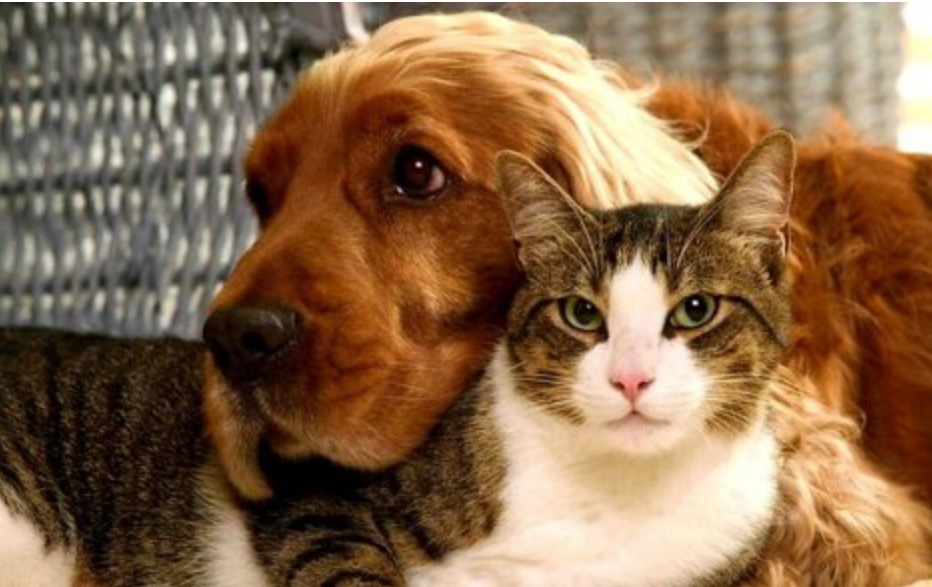
Ukraine is preparing a large-scale update to the Civil Code, which will change approaches to private law and inheritance in line with the European model. One of the most resonant innovations will be the possibility to transfer pets by will, with a clear definition of the guardian and conditions of care. The corresponding draft of the new edition of the Civil Code of Ukraine (Code of Private Law) has been registered in the Verkhovna Rada of Ukraine, according to "Komersant Ukrainian".
The structure of the new Civil Code of Ukraine is based on nine books covering the core of private law regulation and ensuring the integrity of the codification:
- Book One: “General Part,”
- Book Two: “Personal Rights,”
- Book Three: “Property Rights,”
- Book Four: “Intellectual Property Rights,”
- Book Five: “Law of Obligations,”
- Book Six: “Family Law,”
- Book Seven: “Inheritance Law,”
- Book Eight: Private International Law
- Book Nine: Publicity of Civil Rights.
This structure is designed to overcome the fragmentation of regulation, eliminate duplication and conflicts between codified norms and special laws, and increase the predictability of law enforcement through clear general provisions and their consistent integration into all institutions of private law.
Why is the Civil Code being updated?
The authors of the document note that the current Civil Code contains archaic terminology, internal contradictions, and does not fully correspond to modern social and economic realities.
The update aims to:
- consolidate civil law as the only private law;
- harmonize norms with the values and principles of the European Union;
- strengthen the protection of the weaker party in private law relations;
- adapt the law to digital assets and new forms of property.
Pets — a full-fledged element of a will
One of the key changes in Book Seven, “Inheritance Law,” will be the codification of testamentary dispositions regarding pets.
The draft explicitly provides that:
- pets can be bequeathed;
- the testator has the right to designate a specific person to whom the animals are to be transferred;
- the will may set out conditions for the keeping, care, and financing of the animals.
This provision is intended to reduce conflicts between heirs and ensure a humane and private law solution to the fate of animals, especially in cases involving single and elderly people.
What else is changing in inheritance law
Expansion of the composition of the inheritance
The draft clearly defines that the inheritance will include:
- unpaid benefits and compensation during the lifetime of the deceased;
- the right to reparations (Article 1719);
- the right to compensation for damages, penalties, moral compensation, and other court-awarded payments (Article 1722).
This resolves long-standing disputes about which claims are “personal” and which are inheritable.
Inheritance of digital assets
For the first time, the inheritance of rights to digital items has been regulated at the codification level:
- digital assets and access rights are included in the inheritance;
- exceptions are possible only if expressly prohibited by law or terms of use (Article 1723).
More lines of succession
The number of inheritance lines has been increased from five to six, which expands the circle of persons who can claim inheritance by law.
Management of inheritance before registration of rights
Tools are being introduced to preserve and manage inherited property until the rights are officially acquired, which reduces the loss of asset value and the number of conflicts.
What this means in practice
The new version of the Civil Code:
- adapts inheritance law to real-life scenarios;
- recognizes the emotional and ethical value of pets;
- provides legal mechanisms for inheriting digital and financial rights;
- makes the inheritance system less conflictual and more predictable.
Once the document is adopted, Ukraine will effectively have a modern European model of private law.