Decarbonization crisis in Britain: the country is wasting billions of pounds
2 December 2024 09:54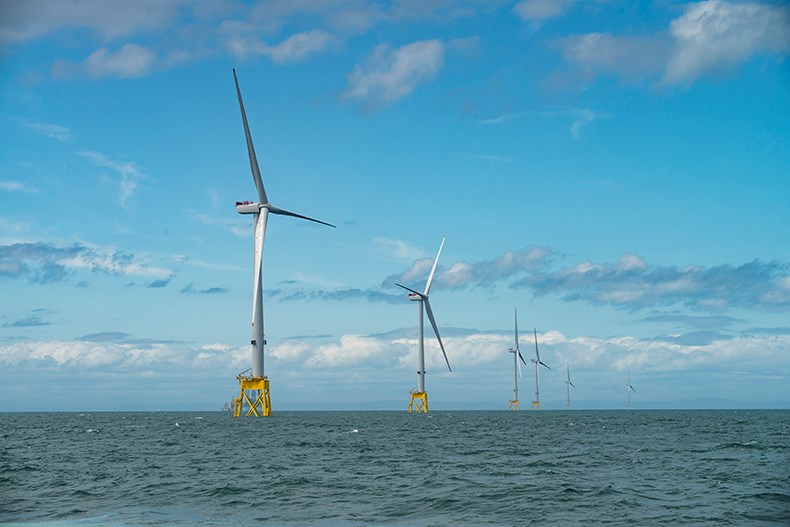
The UK is facing rising costs due to an overloaded electricity grid, jeopardizing decarbonization plans. the year 2024 could be a record year for wind power in the UK, but not because of the electricity generated, but because of how much of it is wasted, reports "Komersant Ukrainian" reports with reference to Bloomberg.
The increase in capacity and windy weather were supposed to contribute to a significant increase in energy production, but the overloaded grid cannot cope. This forces the operator to pay compensation to wind farms for stopping work, which is ultimately paid for by consumers. This situation jeopardizes plans to decarbonize the grid by 2030 and makes it difficult to reduce electricity tariffs.
To achieve the goal of “zero emissions”, the grid needs a large-scale expansion of renewable energy sources, especially wind power. According to Bloomberg, over the past five years, the UK has managed to increase its offshore wind fleet by 50%, and plans to double it over the next five years.
However, the grid is not expanding at the same pace. As a result, operators are increasingly forced to pay wind farms, mainly in Scotland, for stopping their operations. This year, more than £1 billion has already been spent on such “congestion costs”.
An unnecessary storm
The situation looks quite absurd when sea storms, which caused the windmills to be installed at sea, cause these windmills to stop working.
For example, last month, during Storm Bertha, which hit the UK, some of the largest and newest wind farms were left without work. The 3 billion pound Seagreen project in Scotland, owned by SSE Plc and TotalEnergies SE, was forced to shut down. The SSE Viking development in Shetland has also been suspended.
Follow us on Telegram: the main news in a nutshell
SSE plans to build an even larger wind farm off Scotland, which could worsen the congestion situation if the grid is not expanded. In its statement, the company emphasized that in order to realize the country’s energy goals, it is necessary to harness the potential of Scottish renewable sources, and for this, investment in network infrastructure is critical.
The problem of balance: wind energy vs. gas
Typically, British producers sell electricity in advance on the wholesale market. However, these agreements do not take into account the real physical constraints on balancing supply and demand in real time. To ensure a stable power supply, the operator has to pay for the shutdown of some stations and the startup of others located closer to consumption centers.
This often means that a distant wind power plant is shut down and a gas power plant closer to the city is launched.
“The outdated rules of our energy system mean that huge amounts of cheap green energy are simply wasted. It’s absurd that Britain is paying Scottish wind farms to shut down when the wind is blowing, while paying for gas plants to come on stream in the south,”
– said Clem Covton, Director of External Affairs at Octopus Energy Group.
Reduced power generation is becoming more and more common in the UK. This year’s congestion costs have exceeded last year’s figures and are second only to 2022, when electricity prices were almost three times higher.
Follow us on Telegram: the main news in a nutshell