Meat and dairy products may rise sharply due to blackouts
8 December 2025 13:47
As a result of a massive air strike on the night of Saturday, December 6, power outages in Ukraine intensified. The power has been out for 7 hours in a row, while it is turned on for 3-4 hours at best, "Komersant Ukrainian" writes with reference to Telegraph.
Experts told the newspaper how blackouts will affect the price of food, including vegetables, and whether the lack of electricity will cause them to rise in price.
Oksana Ruzhenkova, an expert at the World Bank for Fruit and Vegetable Development, predicts that potatoes will rise in price only slightly.
“A couple of hryvnias won’t make much difference to consumers. Ukraine has open borders and actively imports vegetables,” she said.
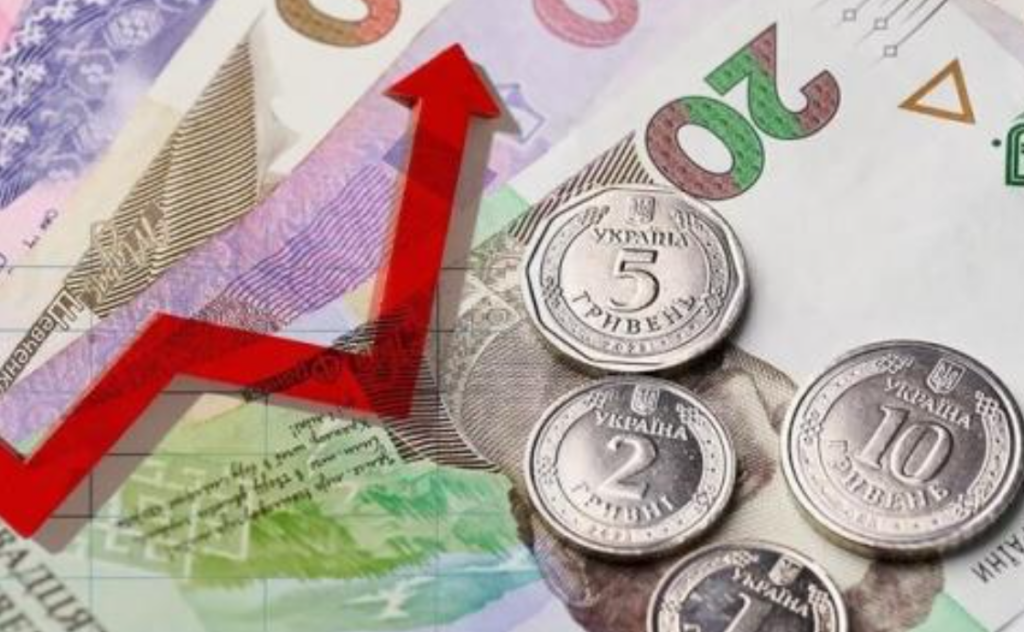
At the same time, Denys Marchuk, deputy head of the All-Ukrainian Agrarian Council, believes that if the electricity is cut off for 8 hours a day, the price increase could reach 30%. However, in his opinion, this applies mainly to dairy products and meat that require constant refrigeration.
Potatoes are less vulnerable to blackouts, as they can be stored without the constant use of electricity. The main thing is to maintain the right temperature in the storages, and for this purpose, generators are used sporadically.
Shelling of the energy sector
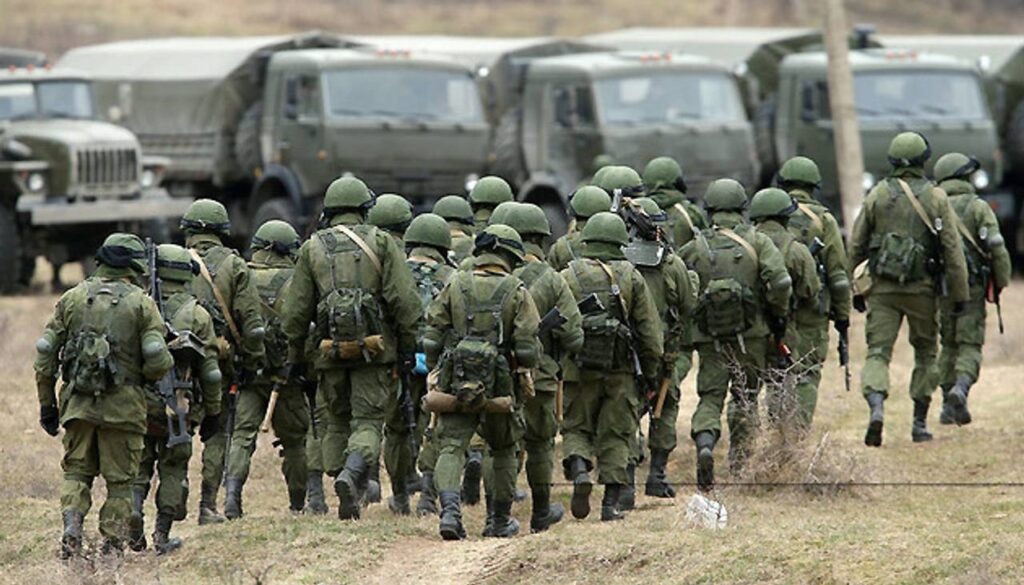
On the night of December 6, Russian troops launched another massive combined attack on Ukraine’s energy infrastructure.
Electricity generation, distribution, and transmission facilities in Kyiv, Chernihiv, Lviv, Odesa, Zaporizhzhia, Dnipro, Mykolaiv, and Kharkiv regions were hit.
The occupiers also attacked DTEK’s thermal power plants in different regions, which resulted in serious damage to the equipment. Due to the intensity of the shelling on December 6, Ukrainian nuclear power plants were forced to reduce their electricity production.
On the night of December 7, the Russians again attacked the energy infrastructure, this time targeting companies in the Kremenchuk district of Poltava region, using missiles and attack drones. The attack caused interruptions in heat and water supply.
However, Andriy Gerus, chairman of the Verkhovna Rada Committee on Energy, believes that Russian troops mainly target large energy facilities located at a considerable distance from the front line, while small and medium-sized facilities are practically not targeted due to the low efficiency of such attacks.