Moldova has withdrawn from the CIS
2 April 14:15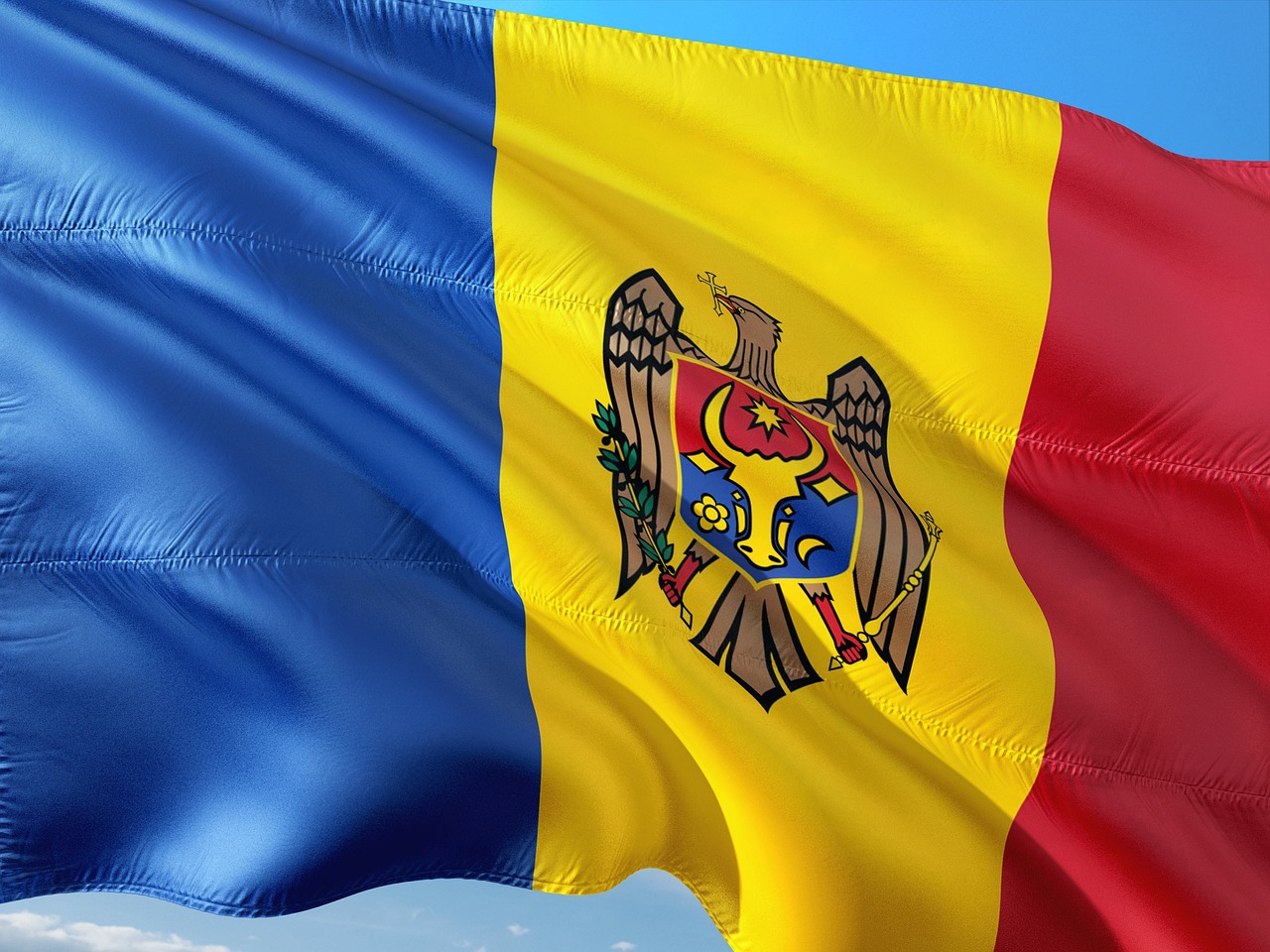
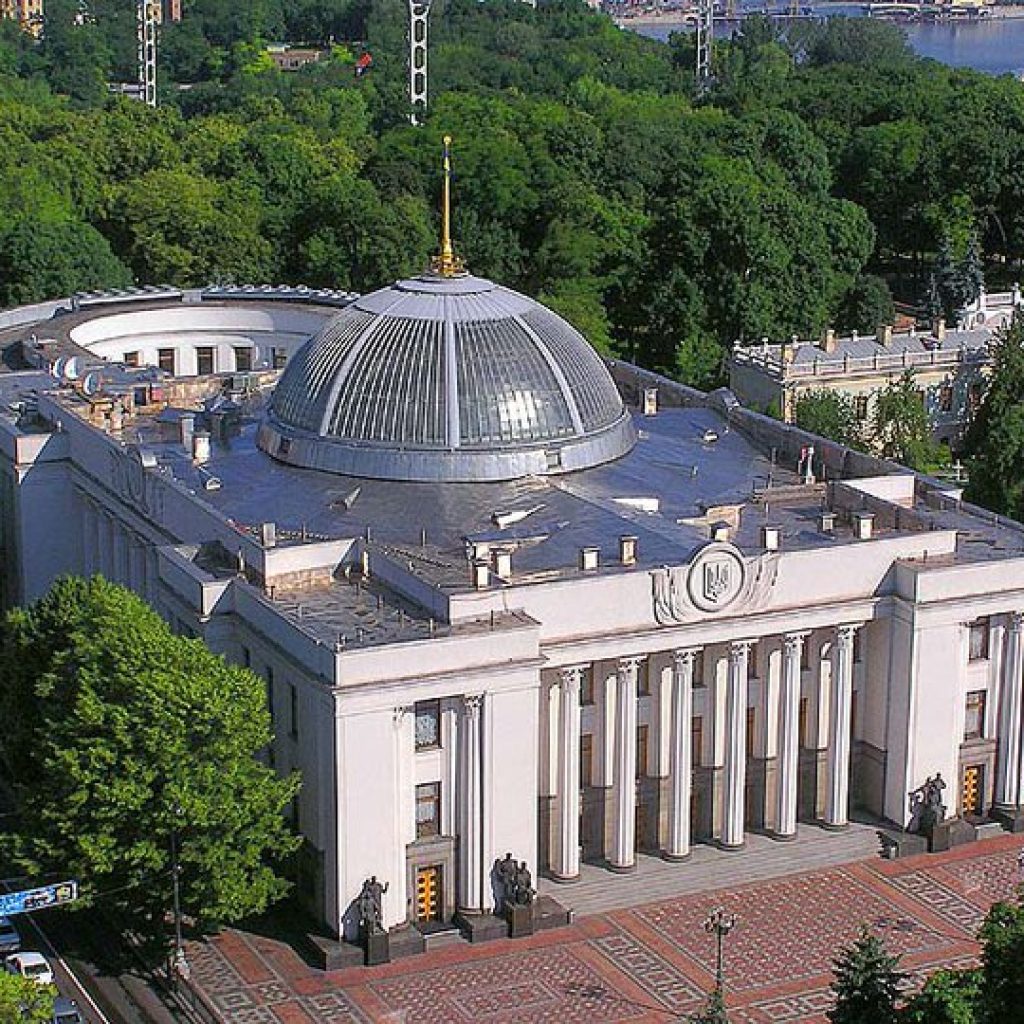
On Thursday, April 2, the Moldovan Parliament adopted a decision to denounce the Agreement on the Establishment of the Commonwealth of Independent States (CIS), the relevant protocol, and the organization’s charter.This was reportedby “European Truth” citing the press service of the Moldovan Parliament, as relayed by "Komersant Ukrainian".
The initiative to terminate these foundational documents came from the Moldovan Ministry of Foreign Affairs. The ministry emphasized that the fundamental values and principles of the CIS are no longer being upheld, and that the organization itself has lost its raison d’être.
The main argument for Moldova’s withdrawal from the CIS was the Russian Federation’s gross violation of the principle of mutual recognition of territorial integrity and the inviolability of borders.
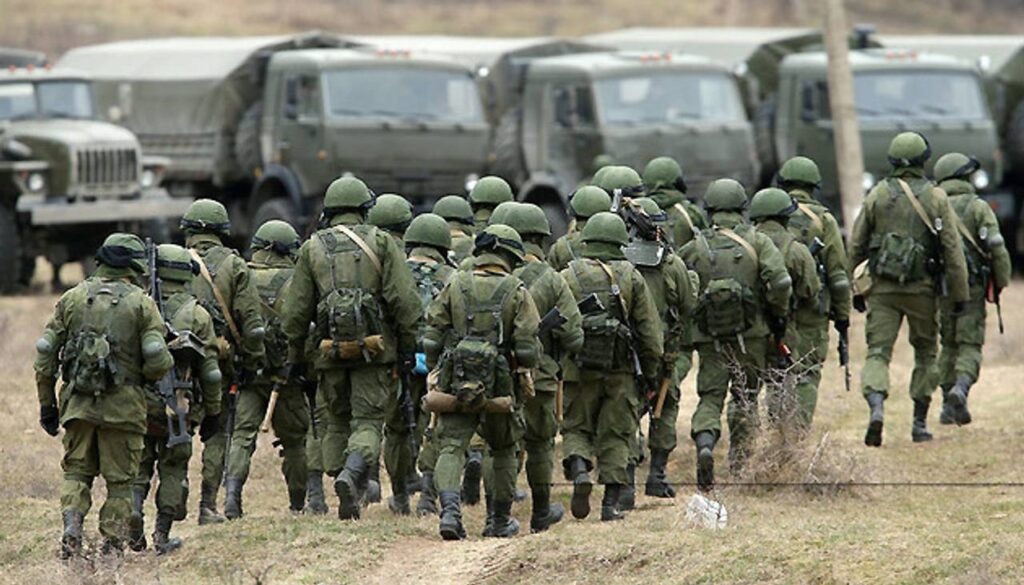
In particular, Chisinau points to the Russian Federation’s full-scale war against Ukraine, its aggression against Georgia, and the illegal presence of Russian troops on Moldovan territory itself, in the Transnistria region, as evidence of the complete destruction of the foundations of the Commonwealth.
The denunciation of the documents is described as a natural and inevitable step toward Moldova’s full membership in the European Union.
Withdrawal from the organization will allow the country’s budget to save approximately 3.1 million lei annually (over 150,000 euros). This is exactly the amount of Moldova’s membership contribution to the CIS budget.
Relations with CIS member states will continue on bilateral and multilateral platforms following the denunciation, and Moldova will remain a party to a number of CIS treaties, particularly in the trade, economic, and social spheres.
To date, Moldova has denounced approximately 70 agreements with the CIS as part of an ongoing process of aligning national policy and modernizing the country’s legislative and economic framework in accordance with EU standards and norms.
Earlier, on March 11, the Moldovan government approved the denunciation of the founding documents of the Commonwealth of Independent States.
The CIS is a regional international organization established in 1991 following the collapse of the Soviet Union to regulate relations among the former Soviet republics. It covers economic, political, and military cooperation; however, the organization’s role has significantly diminished, and Ukraine and Moldova have withdrawn from most of its agreements. Currently, its members include Russia, Belarus, Azerbaijan, Armenia, Kazakhstan, Kyrgyzstan, Tajikistan, and Uzbekistan. The CIS is often viewed as a mechanism for Russia’s attempts to maintain influence in the post-Soviet space.
As a reminder, back in early January, Ukraine officially terminated its participation in one of the foundational agreements signed within the framework of the Commonwealth of Independent States, which concerned the protection of state borders and maritime economic zones. It should be noted that last year, the government approved draft laws providing for the termination, withdrawal, and denunciation of a number of international agreements with Russia, Belarus, and within the CIS.
The Ministry of Foreign Affairs of Moldova initiated the termination of these foundational documents. The ministry emphasized that the fundamental values and principles of the CIS are no longer being upheld, and the organization itself has lost its raison d’être.
The main argument for Moldova’s withdrawal from the CIS was the Russian Federation’s gross violation of the principle of mutual recognition of territorial integrity and the inviolability of borders.
In particular, Chisinau points to the Russian Federation’s full-scale war against Ukraine, its aggression against Georgia, and the illegal presence of Russian troops on Moldovan territory itself, in the Transnistria region, as evidence of the complete destruction of the foundations of the Commonwealth.
The denunciation of the documents is described as a natural and inevitable step toward Moldova’s full membership in the European Union.
Withdrawal from the organization will allow the country’s budget to save approximately 3.1 million lei annually (over 150,000 euros). This is exactly the amount of Moldova’s membership contribution to the CIS budget.
Relations with CIS member states will continue on bilateral and multilateral platforms following the denunciation, and Moldova will remain a party to a number of CIS treaties, particularly in the trade, economic, and social spheres.
To date, Moldova has denounced approximately 70 agreements with the CIS as part of an ongoing process of aligning national policy and modernizing the country’s legislative and economic framework in accordance with EU standards and norms.
On March 11, the Moldovan government approved the denunciation of the founding documents of the Commonwealth of Independent States.
The CIS is a regional international organization established in 1991 following the collapse of the USSR to regulate relations among the former Soviet republics. It covers economic, political, and military cooperation; however, the organization’s role has significantly diminished, and Ukraine and Moldova have withdrawn from most of its agreements. The CIS was founded on December 8, 1991 (Minsk Agreement) by Belarus, Russia, and Ukraine, and later expanded by the Almaty Declaration . Currently , its members are Russia, Belarus, Azerbaijan, Armenia, Kazakhstan, Kyrgyzstan, Tajikistan, and Uzbekistan. The CIS is often viewed as a mechanism for Russia’s attempts to maintain influence in the post-Soviet space. As a reminder, back in early January, Ukraine officially terminated its participation in one of the foundational agreements signed within the framework of the Commonwealth of Independent States, which concerned the protection of state borders and maritime economic zones. It should be noted that last year the government approved draft laws providing for the termination, withdrawal, and denunciation of a number of international agreements with Russia, Belarus, and within the CIS.