The 2026 Frosts and the Fruit Harvest: An Expert Explains Why It’s Too Soon to Panic
7 April 10:20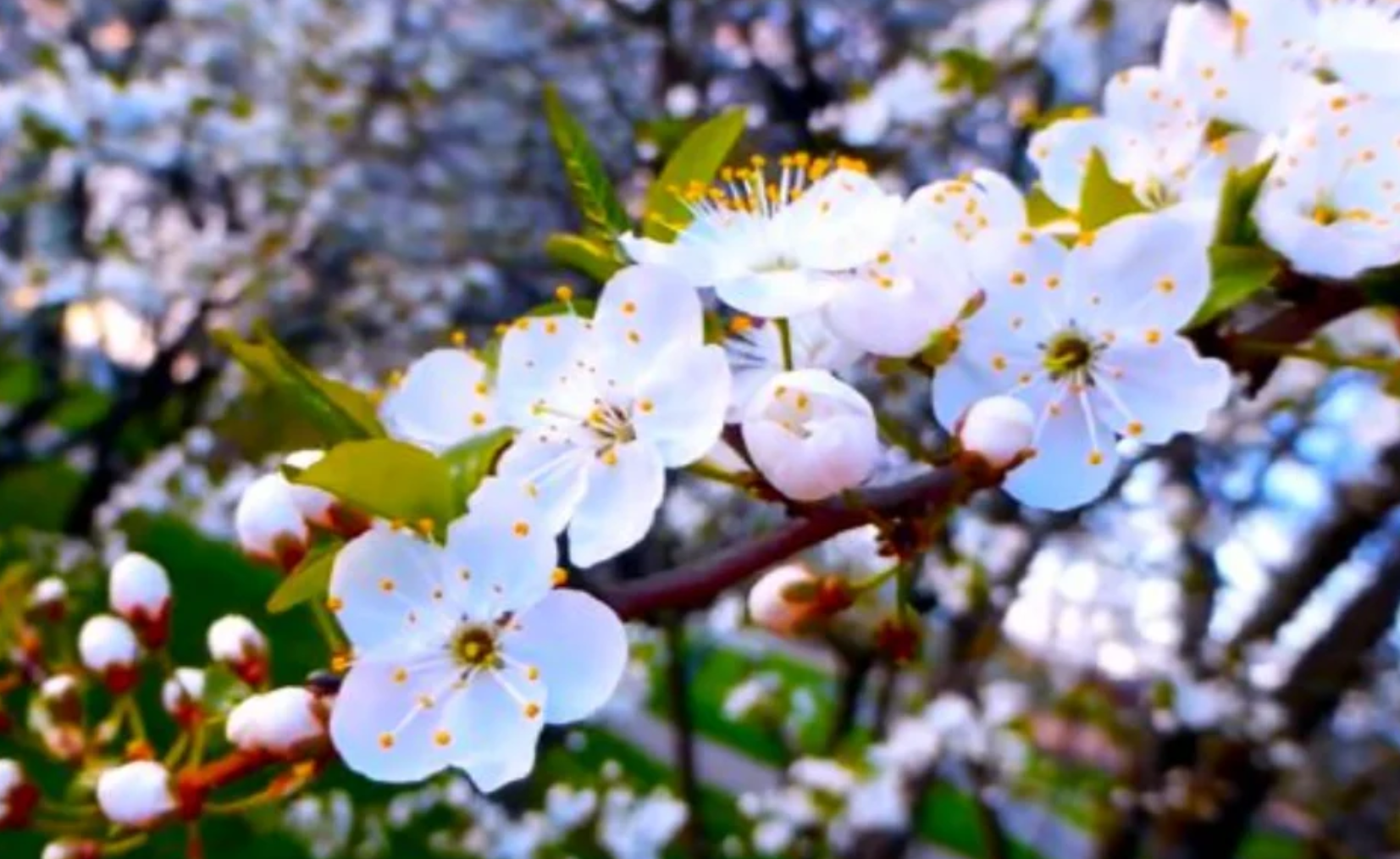 ANALYSIS
Following the severe frosts of winter 2026, concerns about potential fruit crop losses have resurfaced in Ukraine. According to agrometeorologists, the situation with fruit trees this year does indeed look worse than in 2025, especially for early stone fruit crops. Specifically, the loss of apricot flower buds in some regions reached 13–51%, in cherries—2–15%, and in sweet cherries—up to 14–16%. At the same time, later-blooming or more resilient crops, such as apple, grape, and plum, weathered the winter relatively better.
However, experts are urging caution against drawing final conclusions about the harvest. Taras Minka, head of the Ukrsadprom association, emphasized in an exclusive comment to "Komersant Ukrainian": as of now, the full picture has not yet emerged, since the active season is only just beginning in most regions.
“Well, as of now, the frosts haven’t had any impact, because only the southern regions have started to get going, while the central and all other parts of Ukraine simply haven’t started yet. So to say that it had any impact—no. It’s impossible to compile this information today, ”the expert stated.
What is already known about the effects of the frost
Earlier reports indicated that early stone fruits were the hardest hit. In some regions, frosts damaged between 16% and 56% of leaf and flower buds, primarily in apricots. Losses were also reported for cherries and sweet cherries.
At the same time, this does not automatically mean the loss of the entire harvest. This is precisely what the orchardists themselves emphasize: it is too early to assess the upcoming season based solely on winter damage, as everything will depend on the spring weather.
Why experts are hesitant to make predictions
Taras Minka says that the key factor right now is not only the frosts we’ve already experienced, but also what spring will be like. Until the trees fully enter the growing season, it’s impossible to definitively assess the extent of the losses.
“Look, until it gets going, there’s simply nothing to talk about. What spring will bring, what it will reveal… There are no frosts, so things are moving along, thank God. Only God knows what spring will bring next.”
This is particularly important given that March 2026 was abnormally warm and very dry. In a number of regions, this accelerated the start of the growing season, and thus made orchards more vulnerable to potential new cold snaps.
In early April, Ukraine is just entering a new cold snap with frosts, and it is precisely these spring temperature fluctuations that could prove no less significant than the winter frosts we’ve already endured. In other words, the fate of the harvest is determined not only in winter but throughout the entire early season.
How gardeners protect the harvest from spring frosts
The head of “Ukrsadprom” emphasizes that in recent years, most farms have already learned to deal with surface spring frosts and prepare for them in advance.
“Today’s farmers—I won’t say 100%, but most—have learned to combat surface frosts using various tools.”
According to him, anti-hail nets are increasingly being used in Ukraine, which help not only against hail but also partially preserve the microclimate in orchards. Heat guns, straw smoke, and other methods of local protection are also used.
“So some people have special anti-hail nets, which they set up and store. Others prepare by installing various heat guns or placing straw, which they then set on fire to create smoke.”
Does this mean the harvest can be saved?
According to Taras Minka, in the absence of major setbacks and new extreme weather scenarios, the situation may remain under control. The main thing is that orchardists no longer enter the season unprepared.
“That’s why farmers, realizing this, are preparing. But this is possible only if there are no major issues or global setbacks; in principle, everything should be fine. The emphasis is on the fact that farmers are preparing today,” the expert noted.
In other words, the industry’s key message right now is this: there are risks, bud damage has already been recorded, but the final fate of the harvest has not yet been decided.
What else could change the situation
In addition to weather factors, the industry is also preparing for more systematic protection. According to Taras Minka, insurance solutions are currently being developed in collaboration with the government and banks to help producers better navigate such seasons:
“Insurance products are currently being developed separately with the Ministry of Economy and banks that will help balance these factors.”
He also emphasizes that Ukrainian growers are increasingly taking climate change into account and adapting their farms to new weather realities.
“So until we understand the actual weather, these comments won’t be entirely relevant. Farmers are preparing, fruit growers and berry growers are preparing.Some have set up greenhouses, others have done other things. We’re taking into account the climate changes happening in the country.”
The frosts of 2026 did indeed damage some fruit trees in Ukraine, and official agrometeorological assessments indicate a worse situation than last year, particularly for apricots, cherries, and sweet cherries. But it is still too early to speak of final crop losses. As of early April, the industry is just entering the critical phase of the season, and the decisive factor will be how the rest of the spring unfolds. The position of fruit growers right now is this: the risks are high, but farmers are preparing, and without new severe frosts, the situation may still remain under control.