Record turnout in Hungary’s parliamentary elections
12 April 19:10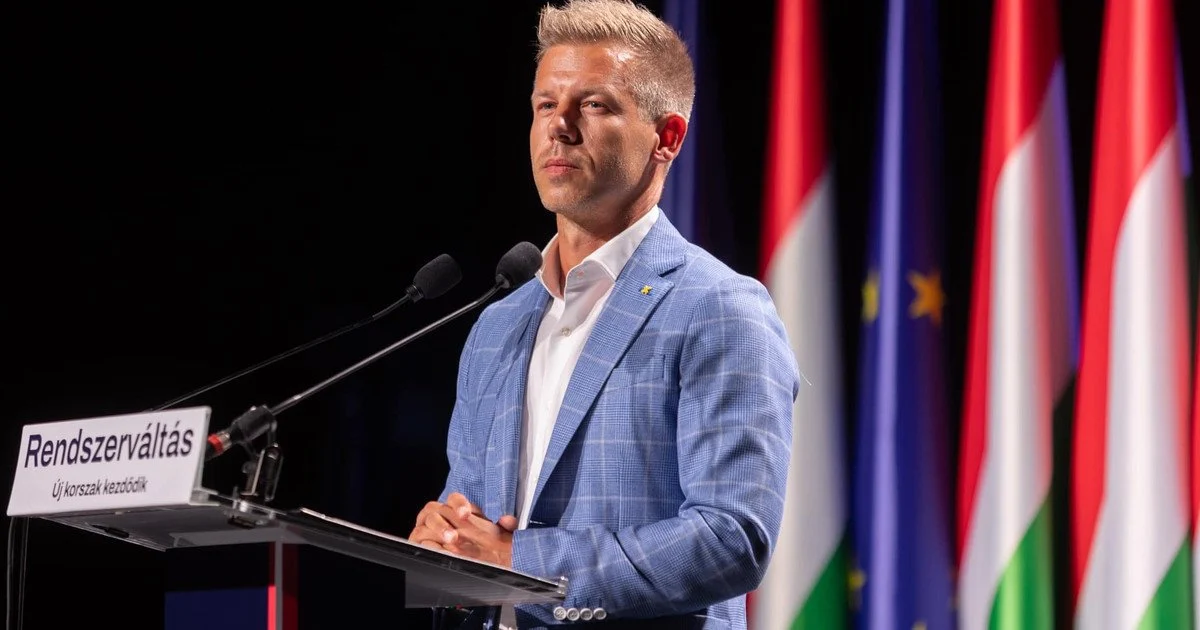
More than half of voters had cast their ballots in Hungary’s parliamentary elections seven hours after polling stations opened, according to data published on the National Election Office (NVI) website on Sunday, April 12, as reported by "Komersant Ukrainian".
Polling stations opened across the country at 6:00 a.m. and will remain open until 7:00 p.m. local time (8:00 p.m. Kyiv time). According to NVI data as of 3:00 p.m., 60.01% of voters—nearly 5 million people—had cast their ballots in the first nine hours of voting. In the remaining four hours, about 2.5 million citizens are expected to cast their ballots.
The opposition Hungarian magazine HVG described the turnout as “absolutely record-breaking” as early as this morning. For comparison, in the previous parliamentary elections in Hungary on April 3, 2022, 40.01% of voters had cast their ballots by 1:00 p.m., and 52.75% by 3:00 p.m., notes the Hungarian news portal 444.hu.
Orbán and Magyar reacted to the record turnout
“Many people are voting. This means one thing—if we want to protect Hungary’s security, then no patriot should stay home! Only Fidesz! Forward to victory!” wrote Viktor Orbán, the country’s current prime minister and leader of the national-conservative party “Fidesz – Hungarian Civic Alliance,” on his Facebook page.
“All of ‘Tisza’ and the millions of Hungarians who support us are calmly, confidently, and peacefully awaiting the closing of the polls this evening: the voter turnout figures for the day confirm what we already knew. Today marks a celebration on the occasion of the referendum on regime change, which will go down in Hungarian history,” commented Péter Magyar, who heads the centrist Tisza Party (“Respect and Freedom,” Tisza).
Why are parliamentary elections so important to Hungarians?
Orbán, 62, has been in power since 2010. In the current election, an opposition candidate capable of winning has emerged for the first time—45-year-old Magyar. He was previously a member of the youth wing of Fidesz and took the helm of the Tisza party just two years ago.
Among the issues that citizens dissatisfied with Orbán’s government may highlight are the poor state of public infrastructure, the healthcare and education systems, as well as corruption. Mátyás, according to his own words, intends to crack down on corruption, implement “systemic changes,” and introduce a new constitution. In addition, he advocates for Hungary to distance itself from Russia and return as a reliable ally of the European Union and NATO.