MP Vlasenko says that the temporary investigative commission of the Verkhovna Rada will investigate the work of NABU and SAPO
26 December 2025 15:28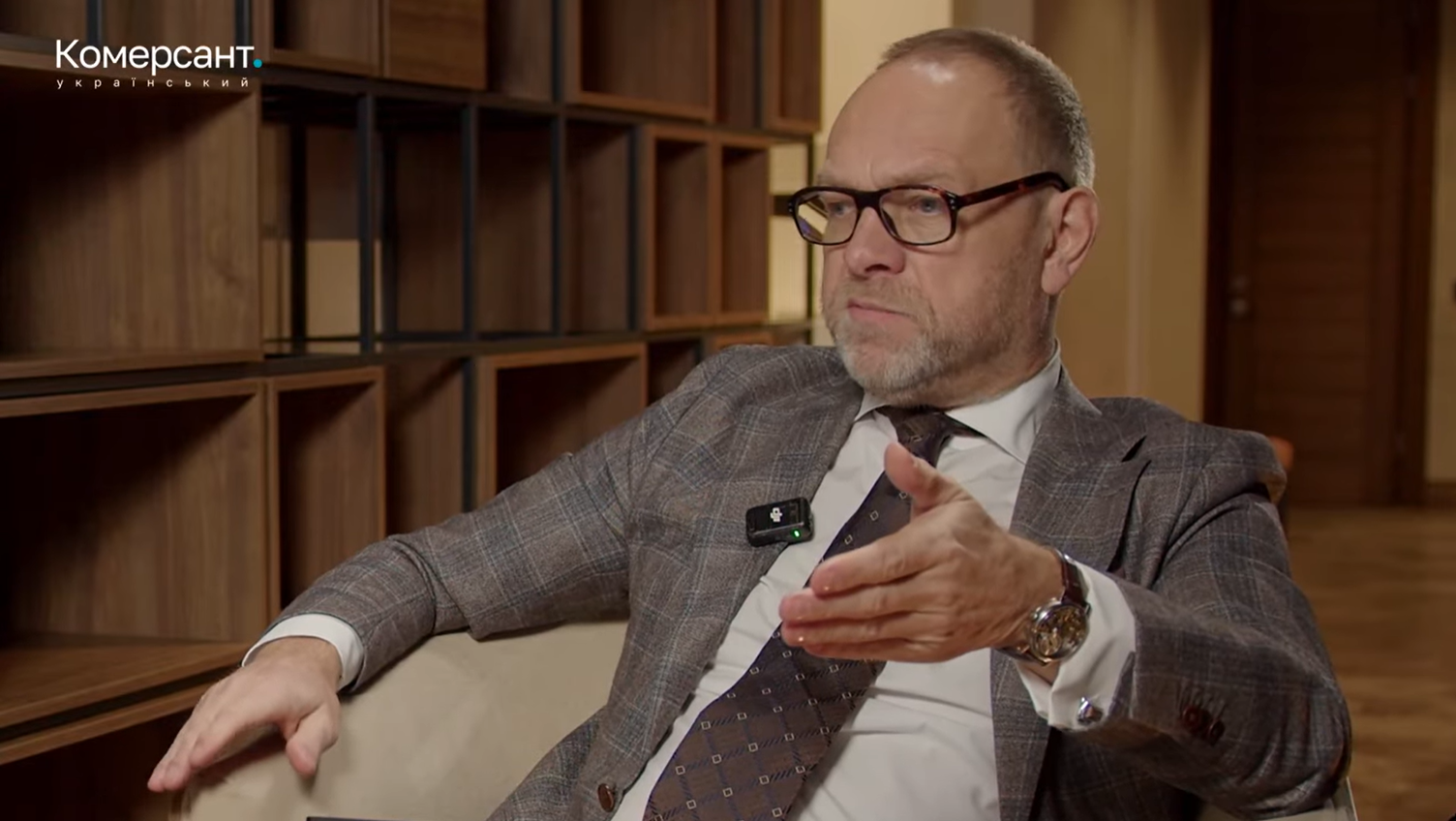 EXCLUSIVE
The Temporary Investigation Commission of the Verkhovna Rada of Ukraine to investigate possible facts of corruption or corruption-related offenses in law enforcement agencies, courts and judiciary will consider the work of the NABU and the SAPO. This was announced by MP Serhiy Vlasenko on the YouTube channel Kommersant Ukrainskiy.
Vlasenko emphasized that these bodies should be independent, but no one should be outside of parliamentary control.
“In the six months of our work, we have not had a single meeting with the participation of representatives of NABU or SAPO. We have not considered the activities of NABU or SAPO. We plan to do so, because no one will be beyond parliamentary control. These bodies must be independent, but the two words “independence” and “uncontrolled” are two different words that have different meanings,” the MP noted.
Also, commenting on the statements of anti-corruption institutions about the restriction of their independence, Vlasenko noted that in a situation where an investigation has been underway for 10 years or when there are some blatant violations of the law, the Prosecutor General should have levers of procedural influence. At the same time, NABU and SAPO should focus on procedural results instead of media activity.
“A large number of law enforcement agencies have become more of a public relations agency, which instead of investigating cases go to press conferences, go on tours of the European Union and talk about how important it is that the reform continues, for the sake of continuing the reform, because the reform must continue, and so on. However, they must go this way from a PR and political agency to a real law enforcement agency,” Vlasenko emphasized.
The MP also reminded about the efficiency and transparency of the NABU and the SAPO, which, against the background of the growing number of deals with the investigation that remain closed, raises doubts.
“Over the past two years, the number of agreements has doubled or tripled. And all the deals are closed. All deals are not public. And this raises many, many questions. How does it all work and why does it all work?” he said.
In general, according to Vlasenko, the anti-corruption reform cannot be called successful today, because corruption in Ukraine has not decreased.
As a reminder, 67% of Ukrainians believe that the level of corruption has increased since 2022, while the share of those who consider Ukraine “hopelessly corrupt” has slightly decreased.