The NBU is preparing the banking system for more active lending to the economy
8 May 2025 14:07
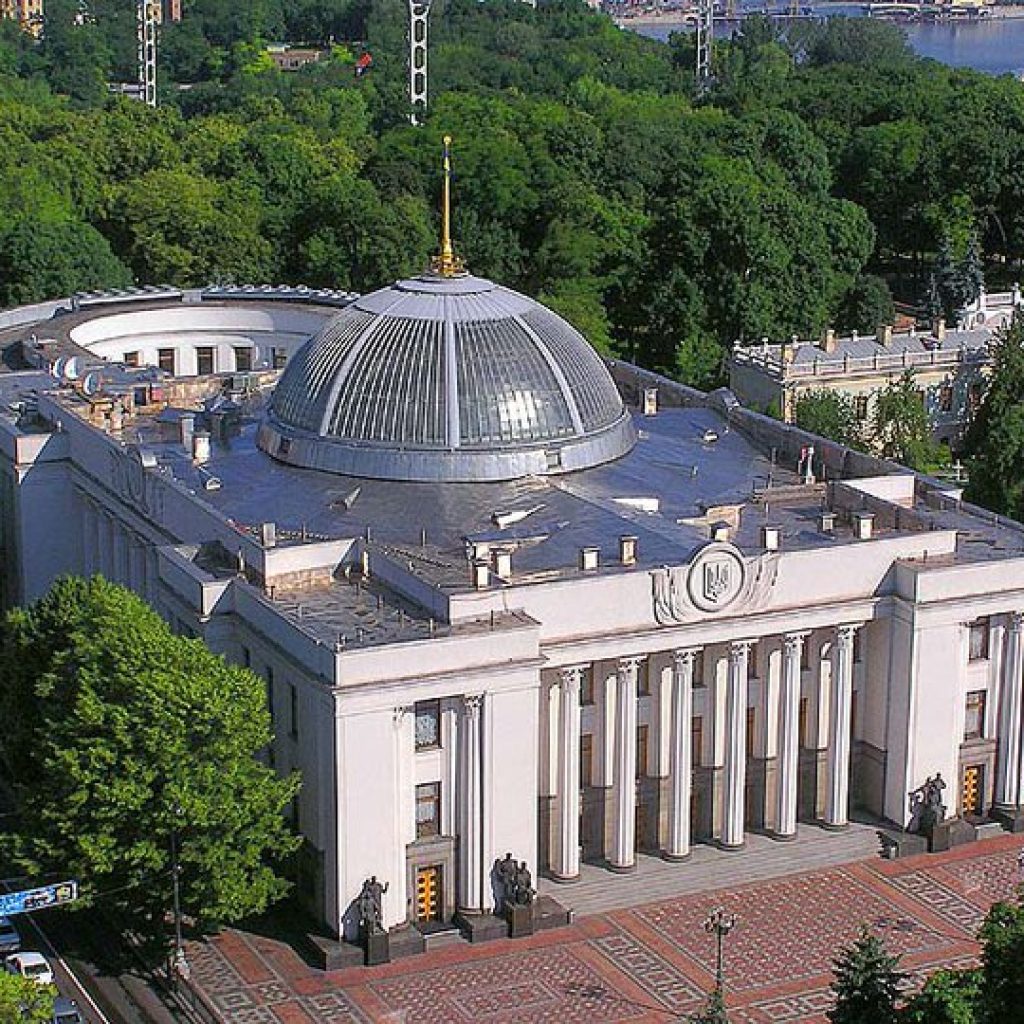
The National Bank of Ukraine has warned banks about the resumption of certain requirements for credit risk assessment, preparation of business recovery plans, and building a risk management system. This was reported by the NBU, according to
The National Bank explained that it is a matter of resuming the requirements that have been temporarily suspended since the introduction of martial law.
The NBU considers such actions to be timely given the ongoing economic recovery and the need to increase the sector’s resilience for more active lending to the economy in the future.
What are the requirements in question?
In particular, the requirements of the Regulation on Determining the Amount of Credit Risk for Active Banking Operations by Ukrainian Banks are being restored:
– starting from October 1, 2025, signs of a debtor’s default event related to significant changes to the terms of loan agreements, including debt restructuring, will be applied again. At the same time, the signs of default will not apply to restructurings carried out before September 30, 2025, provided that such restructured agreements comply with the conditions set forth in the Rules for the operation of banks in connection with the introduction of martial law in Ukraine;
– starting from February 1, 2026, information from the NBU’s Credit Register will be used to assess the debtor’s risk. This approach will help banks complete the restructurings they have started, given the deadline for the full transition to the NBU Credit Register – 2.0.
The NBU is also reinstating the temporarily suspended requirements set out in the Regulation on the Organization of the Process of Managing Problem Assets in Ukrainian Banks, namely
– by December 31, 2025, banks must update the strategy for managing problem assets and the operational plan for its implementation and update them annually thereafter;
– starting from February 1, 2026, banks will have to use information from the NBU Credit Register when determining the list of early warning indicators.
The process will also affect the Regulation on the Organization of the Risk Management System in Ukrainian Banks and Banking Groups in terms of the renewal of the requirements for banks/responsible persons of banking groups to update intra-bank/intra-group risk management documents, as well as to carry out stress testing of bank risks and verification of property value, starting from October 1, 2025.
One more document is mentioned in the NBU’s announcement – the Regulation on the Recovery Plans of Ukrainian Banks and Banking Groups, namely, the requirement for banks to use specific and combined scenarios for stress testing when updating the bank’s recovery plans with the following features
– systemically important banks and banks that are responsible persons of banking groups shall update their business recovery plans annually and in the event of events/circumstances that have led to significant changes in the bank’s operations starting from 2025;
– other banks update their recovery plans once every two years, starting from 2026, and in the event of events/circumstances that led to significant changes in the bank’s operations, starting from 2025.
These changes were approved by the Resolution of the Board of the National Bank of Ukraine No. 52 dated May 6, 2025, most of which will come into force on May 8, 2025.
How banks lend to the economy
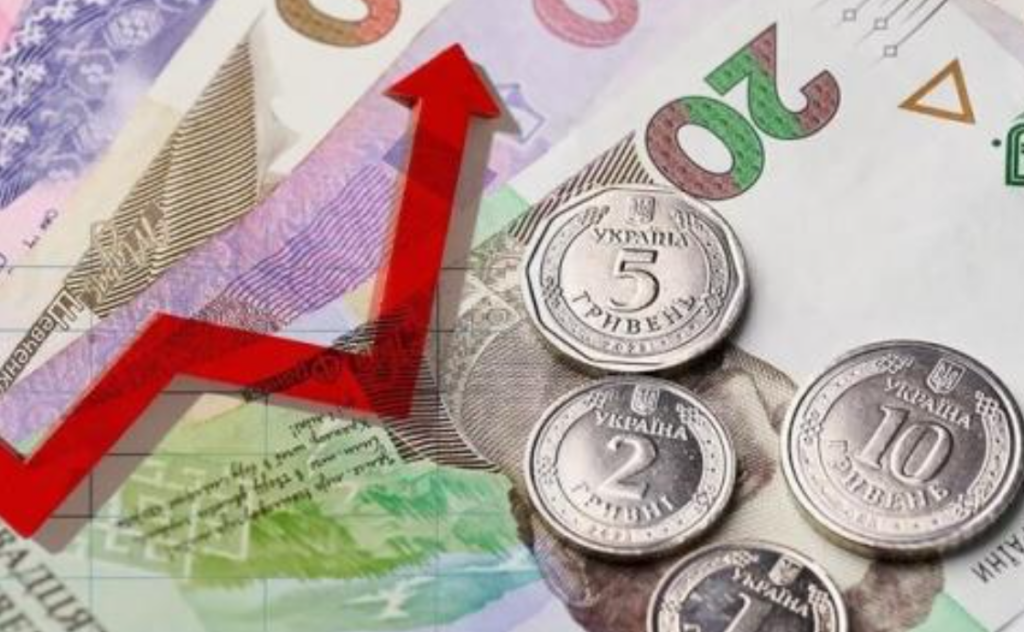
In its February review of the banking sector, the NBU stated that net hryvnia loans to businesses have been growing for a year and a half in a row.
Despite a certain seasonal slowdown in the fourth quarter (to 0.7% qoq), the year-on-year increase was 20.6%. Net hryvnia loans to small and medium-sized enterprises grew somewhat faster – by 1.2% in the fourth quarter, by 22.1% over the year, and their share in the net hryvnia portfolio of business loans increased to 60.2%: by 0.3 pp in the quarter and 0.7 pp over the year.
During the quarter, the volume of loans to food industry and machine building companies increased significantly, while agricultural producers traditionally repaid their loans. Overall, loans to the trade and food industry grew the most over the year.
Favorable lending conditions, including interest rates that are in line with the level of the pre-docking year of 2019, encourage lending and reduce the demand for subsidized loans.
The share of loans granted under the program “Affordable Loans 5-7-9%” in the hryvnia net business portfolio amounted to 33.7% at the end of the year. In a survey on lending conditions, banks noted an increase in business demand for loans due to intentions to make capital investments.
As reported by
The assessment will determine whether the banks’ capital meets the established standards in a crisis. In case of deviations from the standards, banks will have to develop and implement a capitalization or restructuring program.