The New Psychology of Consumption: How Ukrainians’ Shopping Priorities Have Changed
24 March 12:09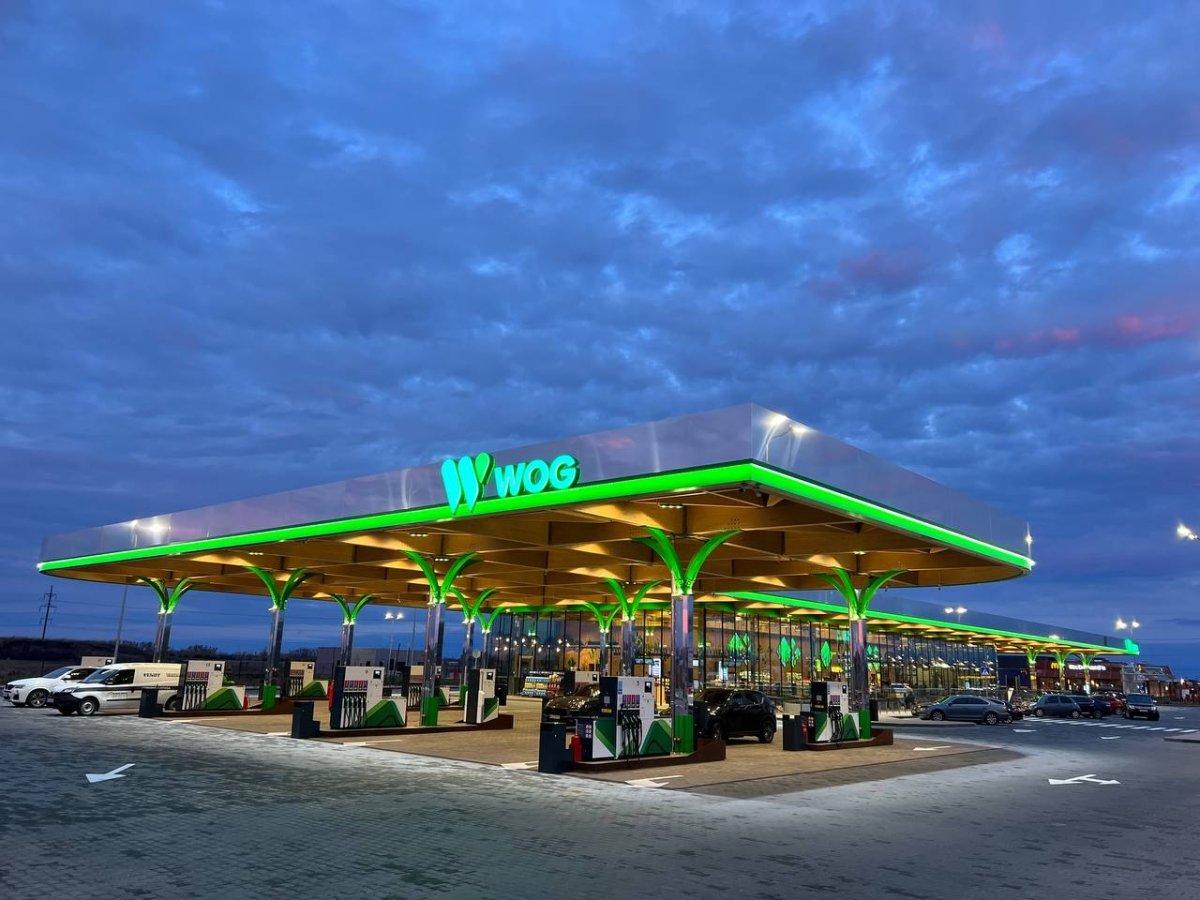
An analysis of the revenue of the largest retail chains in euros reveals a fundamental shift in Ukrainians’ priorities. The market has split into zones of super-profits and deep stagnation, reflecting a new consumer mindset.
Entrepreneur Oleg Belinsky writes about this on social media and provides clear figures, reports "Komersant Ukrainian".
• WOG (retail): 48.5%
• Thrash! (Trash): 32.4%
• Kopiyochka: 18.2%
• Aurora: 15.4%
• Fora: 13.8%
• OKKO (convenience stores): 12.2%
• MasterZoo: 11.0%
• Faino Market: 9.1%
• LPP (Reserved/Sinsay): 8.7%
• Varus: 7.2%
• Novus: 7.1%
• Velyka Kyshenya: 6.8%
• ATB Market: 6.2%
• EVA: 5.5%
• KLO (markets): 5.0%
• Epicenter K: 4.5%
• JYSK: 4.2%
• Fozzy Group (Silpo): 2.1%
• Tavria V: 1.4%
• Metro Ukraine: 0.8%
• Comfy: -1.2%
• Adidas Ukraine: -1.5%
• Intertop: -2.5%
• Antoshka: -3.4%
• Foxtrot: -4.8%
• MD Fashion: -5.2%
• Watsons: -8.1%
• Rozetka: -11.6%
• Auchan: -14.5%
• Eldorado: -28.0%
“High profitability of fuel retail: The growth of WOG (48.5%) and OKKO (12.2%) is driven by the transformation of gas stations into ‘energy hubs.’ People pay for electricity, internet, and hot food, which generates a huge margin on non-fuel goods,” the post states.
According to Belinsky, Epicenter’s positive growth (4.5%) confirms the shift toward self-sufficiency. Instead of new apartments, money is being invested in energy independence: solar panels, inverters, EcoFlow, filtration systems, and canisters. This is a way to maintain control over one’s life amid infrastructure instability.
The explosive growth of Trash! (32.4%) and Aurora (15.4%) against the backdrop of the decline of large hypermarkets, such as Auchan (-14.5%), indicates a mass shift among the population toward the cheapest segment (“dollar store”).
The stagnation of Rozetka (-11.6%) and Eldorado (-28%) shows that electronics (smartphones, TVs) have taken a back seat. Money has been redirected from gadgets to basic necessities.
Pets have become a substitute for children. The growth of MasterZoo (11%) alongside the decline of Antoshka (-3.4%) is a clear indicator. In stressful times, pet care becomes a stable ritual that people cut back on last.
The “lipstick effect” (EVA 5.5%). Stable spending on cosmetics and hygiene remains the “last bastion of normality.” When there’s no way to buy something expensive, consumers treat themselves to small personal care items.
“The market structure of 2025 is a mirror of adaptation. Those who sell autonomy, affordable daily necessities, and psychological comfort (pets, cosmetics) will win. Traditional retail of gadgets and big-box stores will lose the battle for the consumer’s wallet,” Belinsky concluded.