New rules for IDP assistance: the government has introduced asset and income limits
6 April 15:39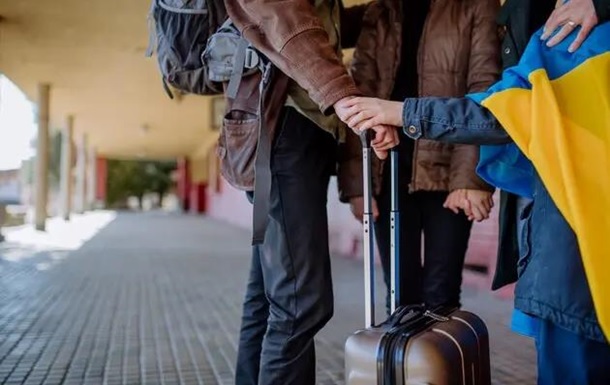
The Cabinet of Ministers has revised the rules for providing state assistance to internally displaced persons (IDPs). The new regulations impose stricter financial and asset criteria for receiving payments, according to [Komersant].
The changes are enshrined in Resolution No. 390, which amends the procedure for providing assistance, originally approved in 2022. The government explains the changes by the need to allocate budget funds more effectively amid prolonged martial law.
Income limit: a key condition for payments
The main change is the introduction of an income ceiling.
From now on, living assistance will be granted only to families where the average monthly income per person does not exceed 10,380 hryvnias.
This figure is tied to the subsistence minimum for individuals who have lost their ability to work. If a family’s actual income exceeds the established threshold, payments may be suspended.
The government resolution states that the changes are being made to the procedure for providing assistance to IDPs, which was adopted in March 2022.
Asset verification: deposits, vehicles, and housing
In addition to income, the state will take into account the property status of displaced persons.
Payments may be suspended if:
- a family member has a bank deposit exceeding 100,000 hryvnias;
- the family has purchased a car less than 5 years old (with some exceptions);
- the family owns a residence in territory controlled by Ukraine that is suitable for living in.
In this way, the government is attempting to direct budgetary support toward households that do not have significant savings or assets.
Children’s Education: A New Condition for Payments
Another change is the linking of payments to the format of schooling for displaced children.
In regions where the security situation allows for in-person schooling, payments for children will be maintained only if they attend school in person.
The Ministry of Social Policy explains this as necessary to:
- support children’s socialization;
- encourage parents to seek employment while their child is in school.
In frontline regions or areas where in-person schooling is impossible due to shelling, this requirement will not apply.
Who will continue to receive assistance
Despite the stricter criteria, the government has retained a number of categories that will receive assistance regardless of income or financial status.
These include:
- pensioners, provided their pension does not exceed 10,380 UAH;
- people with disabilities of Groups I and II;
- children with disabilities and orphans under 23 years of age;
- foster parents and guardians.
How many displaced persons receive assistance
According to official estimates, there are approximately 4.6 million internally displaced persons registered in Ukraine.
Among them:
- over 800,000 children;
- approximately 1.1 million people actually receive living assistance.
The changes introduced are likely to further reduce the number of recipients. The government expects that support will focus primarily on the most vulnerable groups of the population.