A hellish February for Russia: record drone attacks on Moscow — an expert explains what makes them unique
18 February 20:56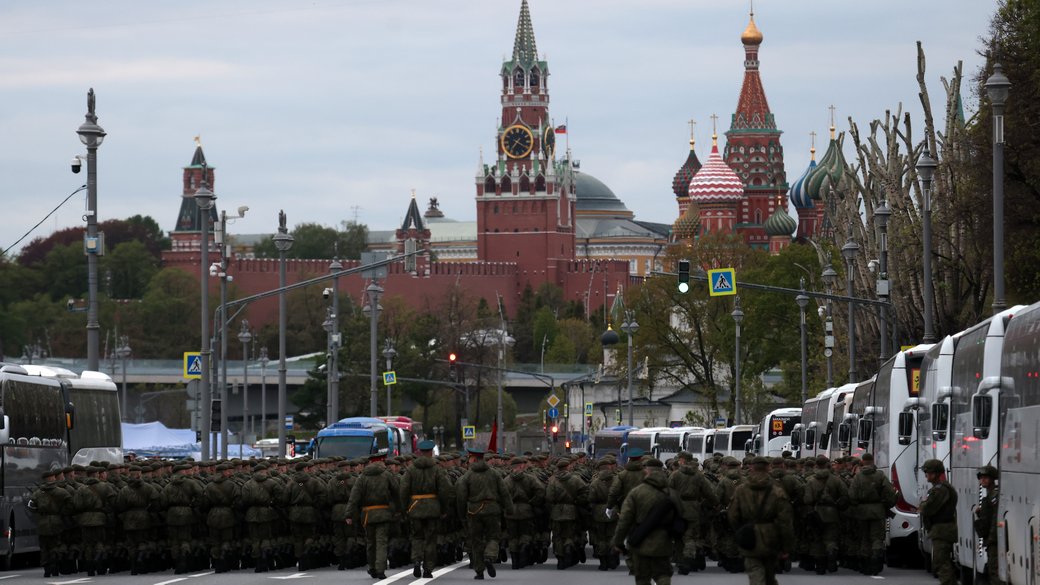
On February 15–16, Moscow and the Moscow region experienced one of the largest drone attacks since the start of the full-scale war. Russian authorities reported dozens of UAVs shot down, temporary airport closures, and a “controlled situation.” At the same time, local Telegram channels reported explosions, fires, and debris falling in various areas of the region. Although Moscow Mayor Sergei Sobyanin said that the attack on the capital lasted almost five hours and that air defense forces allegedly destroyed 18 drones, the scale of the incident may be much greater than official Moscow admits. Emergency services worked at the sites where debris fell, and Domodedovo and Vnukovo airports temporarily restricted operations.
A record number of drones?
The actual figures may differ significantly from those announced. This is according to aviation expert Konstantin Kryvolap in an exclusive comment to "Komersant Ukrainian".
“According to various estimates, between 100 and 170 drones arrived in Moscow and the Moscow region last night. I believe this is the most powerful attack in the entire history of Moscow,” Kryvolap said.
According to him, the Russian side traditionally talks about “interception” and “destruction,” but the very fact of a massive breakthrough into the capital region is unprecedented.
“The Russians say that this is the first time they have seen such a large number of drones over central Moscow,” says Kryvolap.
Debris, detonation, and panic
Despite statements about the effective work of air defense, Russian sources acknowledge the fall of debris in the areas of Khimki, Zelenograd, and other settlements in the Moscow region. There were also reports of a strike on one of the terminals in the customs area, followed by a secondary detonation.
“They hit some terminal in Mytishchi, and there was a secondary detonation. Most likely, something military was stored there,” comments Kryvolap.
According to him, even downed drones cause damage due to falling debris.
“We did not try to hit the civilian population — there were specific military targets. But what the Russians shot down fell in the form of debris. And the Russians saw this for the first time,” says Kryvolap.
It was this psychological effect, according to the expert, that became one of the main consequences of the attack.
“Flamingo” and the breakthrough in air defense
Kryvolap drew particular attention to the possible use of the Ukrainian Flamingo drone.
“Among these drones was the Ukrainian Flamingo. It carries up to 1150 kg of explosives. If it had exploded, I don’t know what would have happened over Moscow,” says Kryvolap.
The expert emphasizes that the distinctive feature of such UAVs is their ability to approach targets at very low altitudes.
“The Flamingo’s approach altitude is very similar to the altitudes at which the Tomahawk approaches. They can overcome the air defense system and approach in such a way that they will not be seen.”
This, he says, is what causes the greatest fear in Russian society.
Psychological breakdown
According to the expert, attacks on the Moscow region destroy not only physical infrastructure but also the psychological “comfort zone” of the capital’s residents.
“They agreed that Putin would do his thing, and they would live their lives. And now they see drones overhead that could crash and kill them.”
Kryvolap believes that for the first time, Russians have experienced war not on television, but directly above their own homes.
Thus, the February attacks on Moscow were probably the largest in the entire war. Despite official statements about “control of the situation,” the facts of airport closures, falling debris, and reports of secondary explosions indicate that the Russian capital is no longer untouchable. If estimates of 100-170 drones are confirmed, this will mark a qualitatively new stage in the drone war — with breakthroughs deep into enemy territory. And it seems that February is indeed turning into a hellish month for Russia.