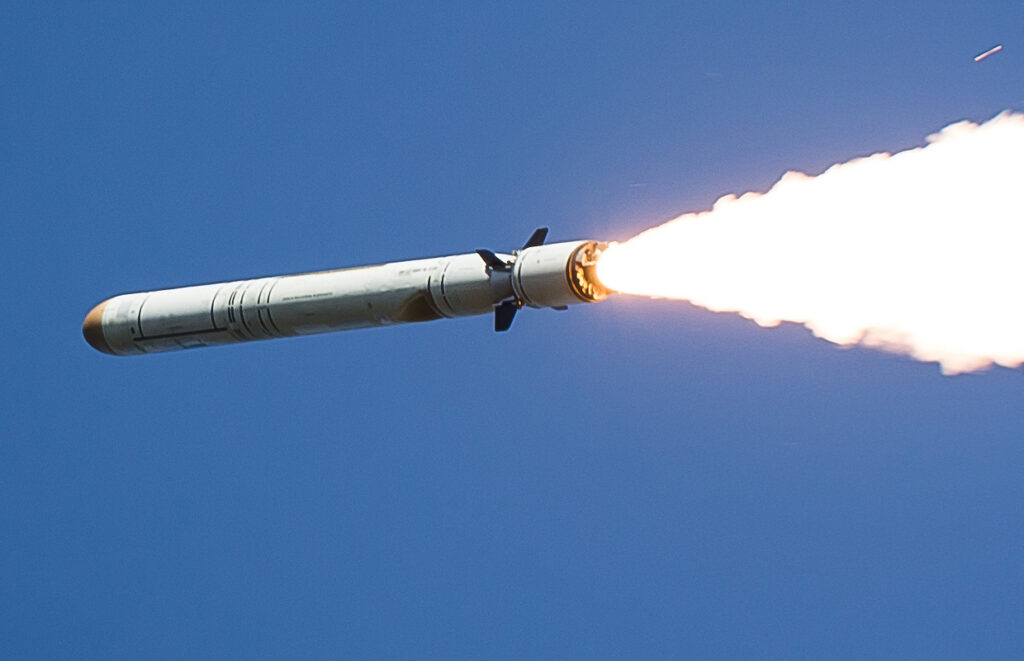
Pentagon warns that Russia may attack Ukraine with Oreshnik in the coming days
12 December 2024 07:26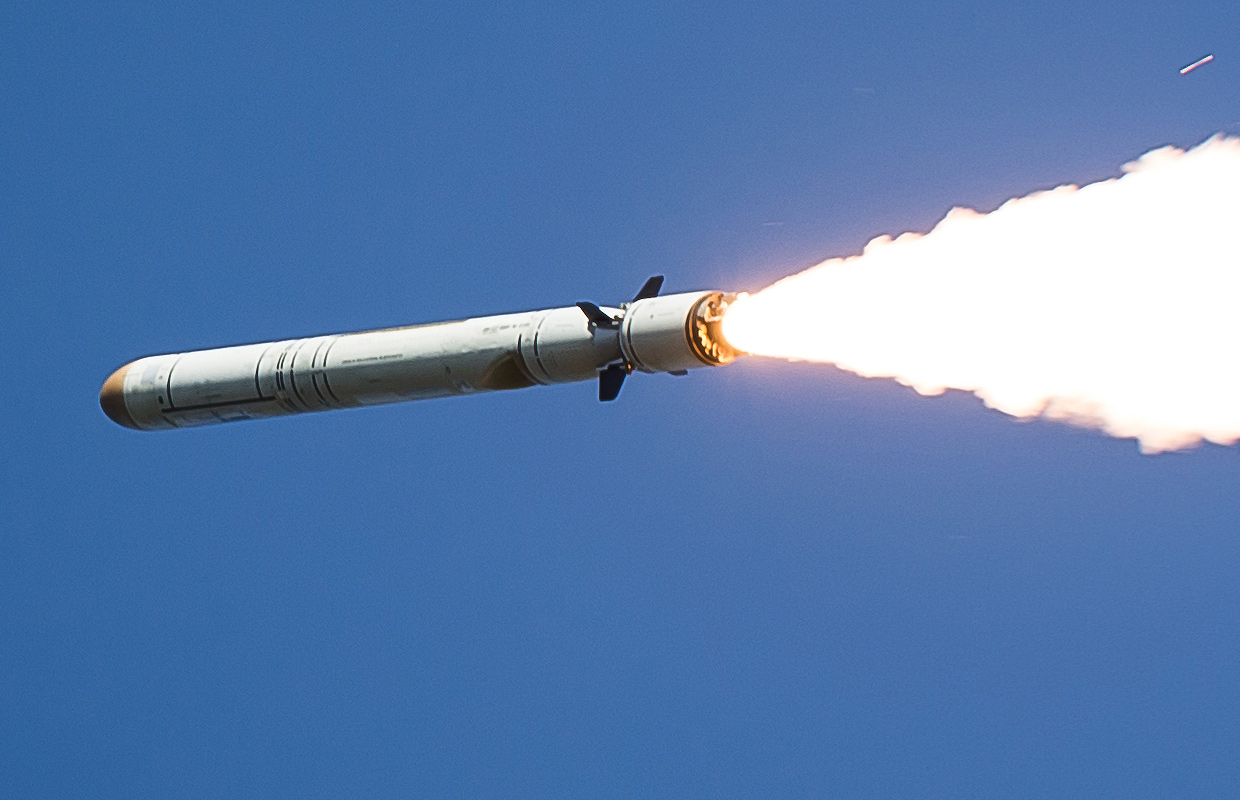
Russia is planning to strike Ukraine with an intermediate-range Oreshnik ballistic missile in the coming days, but the exact date of the possible attack is unknown. This was stated by Deputy Pentagon spokesperson Sabrina Singh during a briefing, "Komersant Ukrainian" reports citing the Associated Press.
Singh told reporters during the briefing that the attack could be carried out “in the coming days.”
“Putin has publicly stated that Russia intends to launch another experimental Oreshnik missile, which you mentioned. It is possible that Russia may do so in the coming days. I have no (information on) the exact date,” the official said.
She emphasized that if Russia attacks Ukraine again with Oreshnik, it will not be a turning point on the battlefield. Moscow seeks to inflict damage and losses on Ukraine in this way.
“We’ve seen it before, they try to use every weapon in their arsenal to intimidate Ukraine, but of course Ukraine continues to get our support because they are fighting on the battlefield every day,” Singh added.
She said that the US based its warning on a new intelligence assessment, but she was unable to provide any other details, including where Russia might strike.
Singh also noted that the United States will continue to provide air defense systems to Ukraine, as they remain a priority request.
To recap, Russia first used these weapons during a missile attack on Dnipro on November 21. A few hours later, Russian President Vladimir Putin appeared on television and boasted about the new hypersonic missile. He warned the West that its next use could be against Ukraine’s NATO allies, who have allowed Kyiv to use their longer-range missiles to strike Russian territory.
The attack came two days after Putin signed a revised version of Russia’s nuclear doctrine that lowered the threshold for the use of nuclear weapons. The doctrine allows for Moscow’s potential nuclear response even to a conventional attack on Russia by any country that enjoys the support of a nuclear power.
It should be noted that on December 9, the US Embassy in Ukraine called on US citizens to exercise increased caution, explaining this need by “the increased threats from Russian missiles and drones targeting Ukraine’s critical civilian infrastructure.”
As you know, on November 20, the US Embassy also called on its citizens in Ukraine to exercise maximum caution due to the risk of a major air attack by the Russian Federation. The U.S. Embassy itself even switched to remote work. This message appeared just before the so-called “Oreshnik” strike on the Dnipro River on November 21.
A short time later, a U.S. official said that shortly before the launch of the ballistic missile, which Putin called Oreshnik, Russia warned the United States about a missile strike on Ukraine. Another official said that the United States then informed Kyiv and other close allies to prepare for the possible use of such weapons.
Almost in unison with the U.S. Embassy’s statement, the day before, the head of the National Security and Defense Council’s Center for Countering Disinformation, Andriy Kovalenko, stated that “the enemy, unfortunately, does not change its tactics and has prepared resources for new shelling of Ukraine at strategic aviation airfields.”
At the same time, monitoring resources and publics around the war began to spread information that Russia was closing part of the airspace in the area of the Kapustin Yar training ground in Astrakhan Oblast, from where the first Oreshnik ballistic missile was allegedly launched, between December 10 and 13. However, Ukrainian experts were quick to reassure, stating that this is a completely normal phenomenon for such a missile range, it’s just that no one had paid attention to it before. But they also admitted that such a closure could be one of the signs of a possible combat use of a missile, and traditionally advised to monitor alarms and respond accordingly.