Negotiations in Istanbul: How Zelenskyy is pushing Putin into a diplomatic corner
12 May 2025 12:16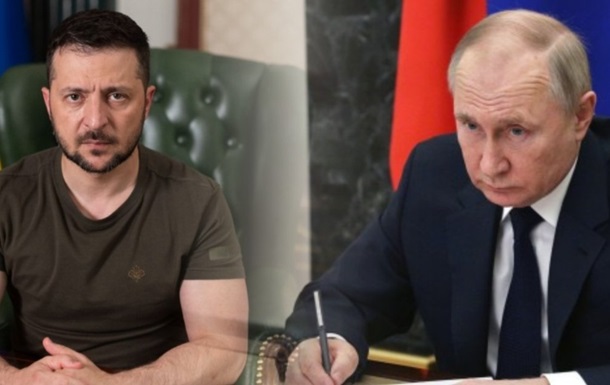
Ukrainian President Volodymyr Zelenskyy has taken an unexpected step by offering Russian leader Vladimir Putin a face-to-face meeting in Istanbul on May 15, 2025, for peace talks. The Ukrainian leader took the initiative from the Kremlin leader and is now putting pressure on him. The Guardian writes about this, "Komersant Ukrainian" reports
Since Russia’s full-scale invasion of Ukraine in February 2022, there have been no direct talks between Zelenskyy and Putin. The last known talks between the delegations of the two countries took place in Istanbul in the spring of 2022, but they ended without results due to Russia’s unacceptable demands, which effectively meant Ukraine’s surrender. Since then, Kyiv’s position has remained clear: negotiations are possible only after a complete ceasefire.
However, in May 2025, the diplomatic situation escalated. Putin, having rejected the proposal of Ukraine and European leaders for a 30-day truce, declared his readiness for talks in Istanbul, but without preconditions. This statement was perceived as an attempt by the Kremlin to create the appearance of constructiveness, especially amid pressure from US President Donald Trump, who called on Ukraine to agree to talks “immediately.”
Zelenskyy, for his part, took the unexpected step of offering Putin a face-to-face meeting in Turkey, but emphasizing that the talks would only make sense if there was a “complete and lasting ceasefire.” This challenge was not only a diplomatic maneuver, but also an attempt to seize the initiative, putting Putin in an awkward position. Now, by proposing a personal meeting, Zelenskyy is throwing a public diplomatic challenge to Putin, forcing him to either agree or openly refuse, revealing Moscow’s true intentions.
Why Zelensky’s proposal is a challenge to Putin
Zelenskyy’s call for a face-to-face meeting in Istanbul poses several strategic challenges for Putin:
- Reputational pressure: Putin rarely travels abroad spontaneously, especially after the International Criminal Court issued an arrest warrant for him in 2023. Refusing to meet could be perceived as weakness or unwillingness to engage in dialogue, which would undermine his position in the eyes of the international community, including the Trump administration, which supports the idea of negotiations.
- Demanding a ceasefire: Zelenskyy has made it clear that negotiations are possible only after the cessation of hostilities. This gives Putin a choice: either agree to a ceasefire, which would mean a concession, or refuse, confirming that Russia is not interested in peace.
- Publicity: The offer of a face-to-face meeting brings the negotiations into the public sphere. If Putin sends a delegation instead, it could look like he is shirking responsibility. At the same time, Zelenskyy’s presence in Istanbul will emphasize his willingness to engage in dialogue.
As The Guardian notes, Zelenskyy’s statement creates “some pressure” on Putin, given his reluctance to travel spontaneously. This confirms that Ukraine’s proposal is not only a diplomatic move, but also an attempt to corner the Russian leader.
Putin wants talks in Istanbul
On May 10, Kyiv hosted an important meeting of the “coalition of the resolute” – Volodymyr Zelenskyy hosted French President Emmanuel Macron, German Chancellor Friedrich Merz, and Prime Ministers of the United Kingdom, Keir Starmer, and Poland, Donald Tusk.
After the meeting, the leaders had a telephone conversation with U.S. President Donald Trump. As a result, Ukraine announced its readiness for a ceasefire for at least 30 days, starting on May 12. Europe warned Moscow that if it refused, Russia would face new sanctions.
However, Putin effectively ignored this proposal. At a nighttime press conference, he called for the resumption of direct talks with Ukraine in Istanbul on May 15 without any conditions.
Putin said he would discuss this with Turkish President Recep Erdogan on May 11. As the Russian Federation later stated, these are supposed to be negotiations taking into account the 2022 talks and the situation on the ground.
In response, Zelenskyy said that Ukraine was ready for dialogue only after a full and comprehensive ceasefire.