Exporting an antidote from “Shahids”: Why Gulf countries needed Ukrainian experts and technology
26 March 18:45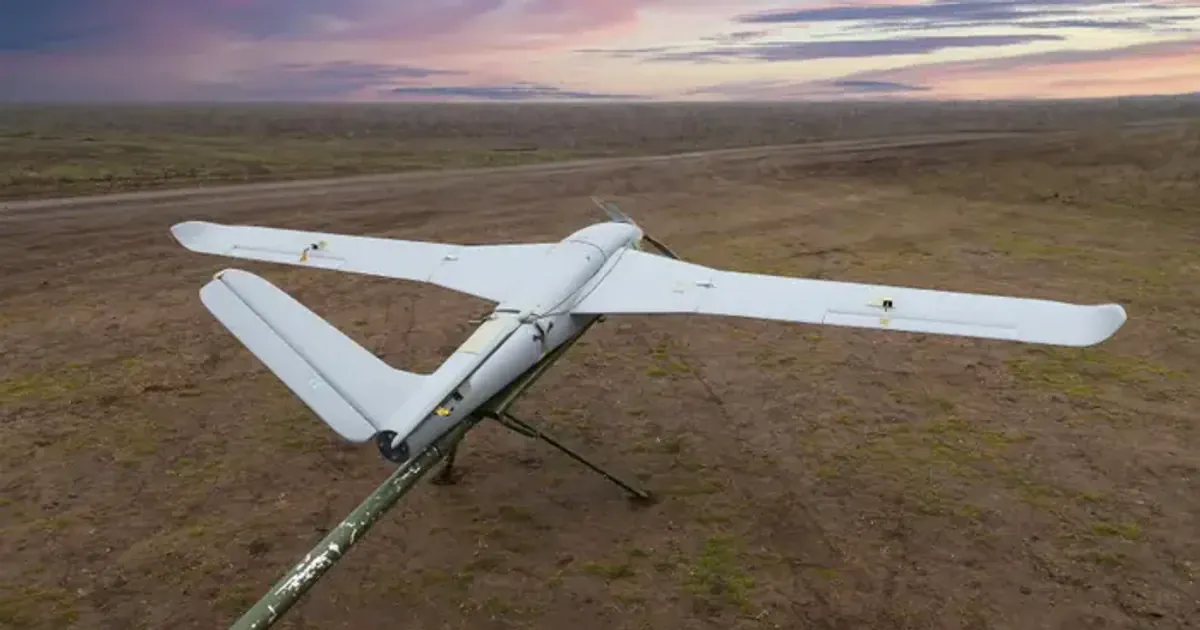 ANALYSIS FROM
Against the backdrop of the U.S. and Israel’s war against Iran, the Gulf states have come under a barrage of missile and drone attacks. That is why they are showing increasing interest in Ukrainian drone interception technologies—systems that were developed right on the front lines of Russia’s war against Ukraine. The situation was analyzed by "Komersant Ukrainian".
As Ukrainian President Volodymyr Zelenskyy stated on March 20, 228 Ukrainian experts are already in Qatar, the United Arab Emirates, and Saudi Arabia.
“We are also working with Kuwait and Jordan,” he said, though he did not disclose details of the Ukrainian experts’ mission.
The president added that local air defense specialists are highly skilled but primarily deal with ballistic threats.
“But when it comes to small-scale air defense—how to counter massive ‘Shahed’ strikes—no one else has that kind of experience besides us.”
Ukrainian expertise sought by the Middle East
After several years of massive Russian attacks, the Ukrainian army has effectively become the world’s largest testing ground for countering drones.
As Al Jazeera notes, during the war, Ukraine was forced to rapidly develop low-cost interceptor drones to counter Iranian “Shahed”-type drones, which Russia uses to strike Ukrainian cities.
“Defense systems such as Patriot, Terminal High Altitude Area Defense (THAAD) batteries, and Airborne Warning and Control System (AWACS) aircraft are extremely expensive—each interceptor missile costs millions of dollars. At the same time, there are concerns that U.S. stocks of interceptor missiles may run out.”
During Russia’s four-year war against Ukraine, the domestic defense industry was forced to innovate by creating inexpensive interceptor drones.
They cost approximately $1,000 to $2,000.
“Kyiv is now mass-producing these low-cost interceptor drones,” writes Al Jazeera journalist Sarah Shamim.
“Shahed” Interceptors
One of the symbols of Ukraine’s “drone war” has become the STING interceptor drone, created by the Ukrainian development group Wild Hornets.
This drone is specifically designed to destroy “Shahed”-type drones.
Key features of the STING:
Type: interceptor drone (loitering munition)
speed: up to 280–315 km/h
range: up to 37 km
Flight altitude: up to 3 km
method of destruction: ramming or detonation near the target
cost: about $2,000 per unit
The main advantage of such systems is their low cost.
By comparison: a Patriot missile can cost millions of dollars, while the STING interceptor is hundreds of times cheaper.
According to the developers, these drones have already destroyed thousands of Russian drones during the war.
In addition to STING, the Ukrainian army uses other types of interceptors—including FPV drones, which operators can guide directly to the target.
Such systems have several key advantages:
- low cost
- rapid production
- scalability
- effectiveness against slow kamikaze drones.
According to experts, it is precisely these factors that are gradually transforming Ukraine into one of the global hubs for the development of new military technologies.
Ukrainian specialists in the Middle East
Alongside technology demonstrations, Kyiv has begun sharing its combat experience.
According to Anatoliy Khrapchynskyi, director of development at a defense enterprise and a reserve Air Force officer, Ukraine’s experience with interceptor drones could be particularly valuable to partners.
He emphasized that cooperation with Middle Eastern countries could also yield practical benefits for Ukraine—specifically in the form of additional funding and the supply of air defense systems.
“Ukraine can help address this asymmetric imbalance by utilizing the more cost-effective countermeasures currently employed in Ukraine,” the expert noted.
According to him, such cooperation could include the exchange of expertise, training of operators, and joint technology development.
“This is not just about business or arms trade, but about implementation and a strategic joining of forces to counter threats from the Middle East and the Russian Federation,” Khrapchynsky explained in an interview with Ukrinform.
The British media outlet Middle East Eye also notes that the war in Ukraine has demonstrated a new logic of air defense: expensive missiles can no longer be the primary tool for combating mass attacks by cheap drones.
Ukraine, according to the article “Can Gulf States Learn from the Ukrainian Drone Revolution?”, has created a multi-layered system combining electronic warfare, mobile fire teams, and cheap interceptor drones.
“Years of attacks by Iranian drones, which Russia is using against Ukrainian cities, have effectively turned Ukraine into a global expert in countering this type of drone.”
As noted, the Ukrainian defense model could help protect oil refineries, terminals, and urban infrastructure in Gulf countries.
The spread of Ukrainian drone interception technologies could have much broader implications for global security. Whereas Middle Eastern states previously relied almost entirely on expensive American air defense systems, they are now paying more attention to cheaper and more flexible solutions tested on the Ukrainian front.
In fact, the war with Russia has forced Ukraine to build one of the world’s most dynamic defense industries in just a few years.
Today, Kyiv is not only defending itself but also beginning to export its own military expertise—from anti-drone software to the drones themselves.
And while just a few years ago the Ukrainian army was learning from its allies, the situation is now changing: Middle Eastern countries seeking protection from a new era of aerial threats are studying Ukraine’s experience with drone warfare.
Author: Asif Aliyev