Trump’s 50-Day Plan for Putin: Can Ukraine Stop the Second Wave of the Offensive?
16 July 2025 16:46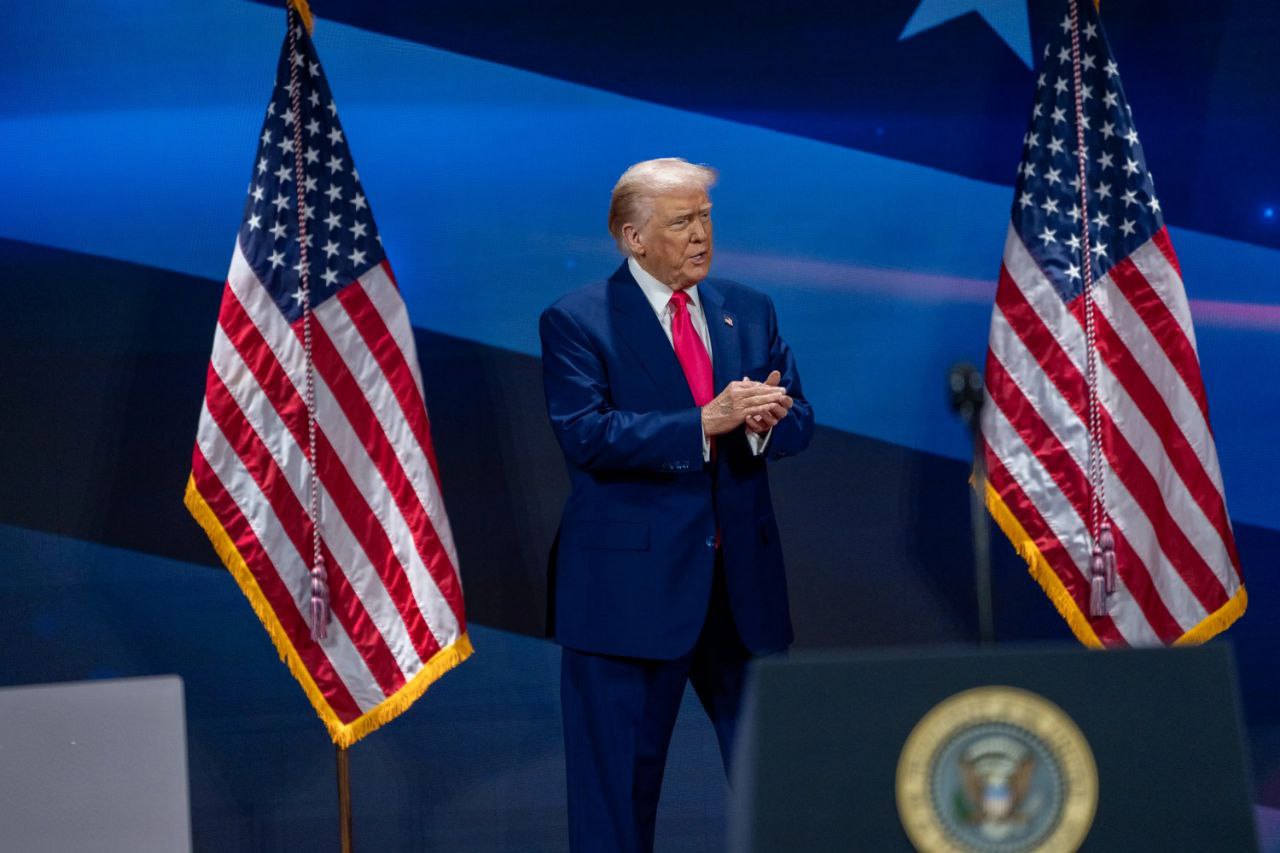
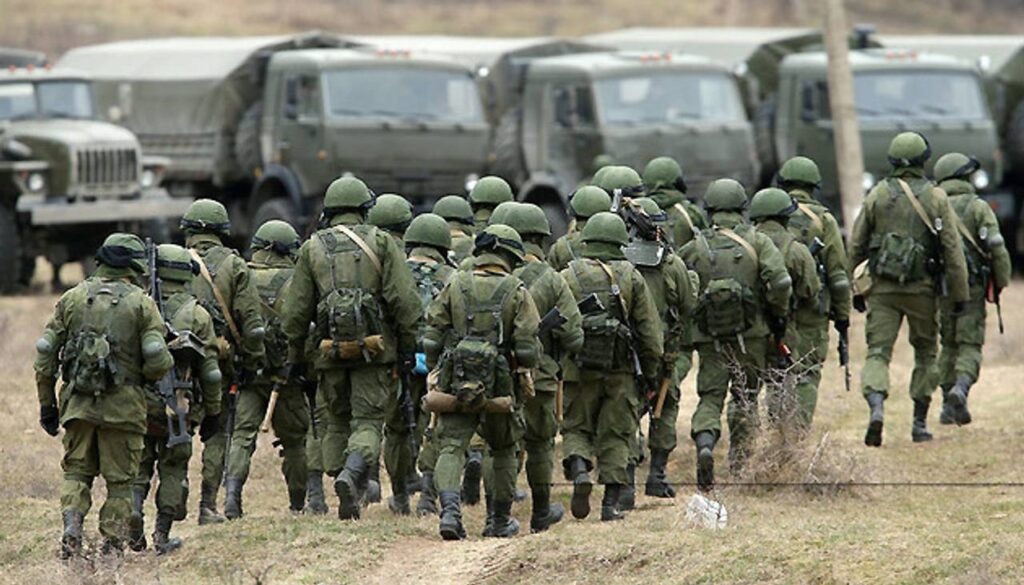
During a telephone conversation with Donald Trump on July 3, Russian dictator Vladimir Putin said that he was planning a new round of escalation of hostilities in eastern Ukraine within the next 60 days. According to an Axios source, Putin made it clear that his goal was to fully establish control over the administrative boundaries of the temporarily occupied Ukrainian territories.
Later, Donald Trump shared these details with French President Emmanuel Macron, adding that Putin “wants to take it all away.”
Putin has been given 50 days by Trump to launch a new offensive, but we can stop it
In an interview with "Komersant Ukrainian", Roman Svitan, a colonel in the Armed Forces reserve, pilot instructor and military analyst, explained what is behind Putin’s new statements about “escalation” at the front and why the decision of the Ukrainian authorities regarding the reserves is now critical.
“This is not about any new intentions on the part of Russia. This is standard summer campaign planning: the first wave is reconnaissance by combat, the second is the main attack, and the third is consolidation. The Russians had a blurred first wave – they “burned” some of their reserves for the May 9 parades,” says Svitan.
According to him, the second wave of the offensive has been in the works for several months and will start in August:
“This is not a new strategy, Putin just publicly voiced his ‘wish’ – give him another 60 days to push the Ukrainians. And Trump allowed him to do so.”
Trump actually gave Putin permission to attack
The analyst argues that it was during a conversation with Trump 10 days ago that Putin “beat out” 60 days to continue fighting. Trump allegedly agreed. According to Svitan, Russian troops have already completed their tasks in the Luhansk region, and now they will concentrate on Donetsk and the left bank of Zaporizhzhia:
“By winter, they will try to capture everything they can. But they don’t have the strength to make a full-scale advance to Zaporizhzhia or across the Dnipro.”
Svitan outlines possible directions of the Russian offensive, including:
- Capture of the left bank of Zaporizhzhia with advancement to Orikhiv and Huliaypol;
- An attempt to reach the Pokrovsko-Myrnohradska group with an offensive on Dobropillia and Kostyantynivka;
- Intention to surround the Sloviansk-Kramatorsk agglomeration.
“We are really under attack now: Kostyantynivka, Pokrovsk, Orikhiv, Gulyaypole, Chasiv Yar, Toretsk, and partially Siversk. And if we don’t mobilize new forces, they will really be able to get closer to Zaporizhzhia. They won’t be able to capture it, but they will be able to reach the suburbs.”
Meanwhile, according to military analyst Dmytro Snegiryov, the main question is not even the content of the conversation, but the very appearance of this information in the media. And what is behind it. Snegirev draws attention to the source of the information and its moment of appearance:
“A conversation between the two presidents is a closed communication of the highest level. And if its details ended up in the media, in particular in Axios, it means that we are dealing with a controlled leak. Most likely, from the American side.”
The analyst is convinced that the leak was made on purpose to prepare the information background for Trump’s further statements. It is noteworthy that the details of the conversation emerged the day before Trump’s loud statements about the war in Ukraine.
“If they knew about the conversation back on July 3, why didn’t they release the information on the 4th or 5th? Why did it appear on the eve of the “sensational” Monday, when the whole press started buzzing? This is a prepared ground, a media special operation.”
Putin’s unrealistic plans
Snegiryov notes that even if we assume that Putin asked for “60 days to attack,” his goals seem unrealistic. In particular, the attempt to completely seize the Donetsk region:
“In the four years of war, they have not been able to completely capture even the Donetsk region. Ahead of them is the Sloviansk-Kramatorsk agglomeration, which consists of four industrial cities: Sloviansk, Kramatorsk, Konstantinovka and Druzhkivka. This is a powerful urban development that is fantastic to take over in two months.”
The bet is on Kharkiv, Sumy and Dnipro regions
The analyst makes an alternative assumption: these 60 days may not be about advancing deeper into Donbas, but about intensifying the offensive in other regions:
“I do not exclude that the Russians will try to create a ‘precedent for the exchange of territories’. They are showing that we do not claim Sumy, Kharkiv and Dnipro regions, but will demand concessions in Donetsk region instead.”
According to Snegiryov, these attacks are an element of blackmail: pressure on new areas to force Ukraine to weaken its defense in key areas:
“Novopavlivske and Pokrovske directions are only a part of the fighting. The main focus is an attempt to surround the Sloviansk-Kramatorsk agglomeration. However, a breakthrough there in 60 days is militarily impossible even in the perspective of several years.”
Dmytro Snegiryov emphasizes that the possible agreement between Putin and Trump is not a strategy of victory, but an information and political special operation.
“Russia does not have the resources to take Donetsk, let alone Zaporizhzhia or Kherson regions in 60 days. But it has the tools for information pressure, for creating the illusion of a breakthrough in order to gain favorable negotiating positions.”
So, this is not only about the war at the front, but also about the war for perception. The controlled leakage of information about the conversation between Putin and Trump is an information operation designed to change the focus of the international discussion. In such a game, Ukraine’s main weapon should be not only strength on the battlefield, but also strategic communication, a clear internal decision to mobilize resources and maintain the information front.