Digital Platform Tax: Members of Parliament Back the Bill
8 April 13:19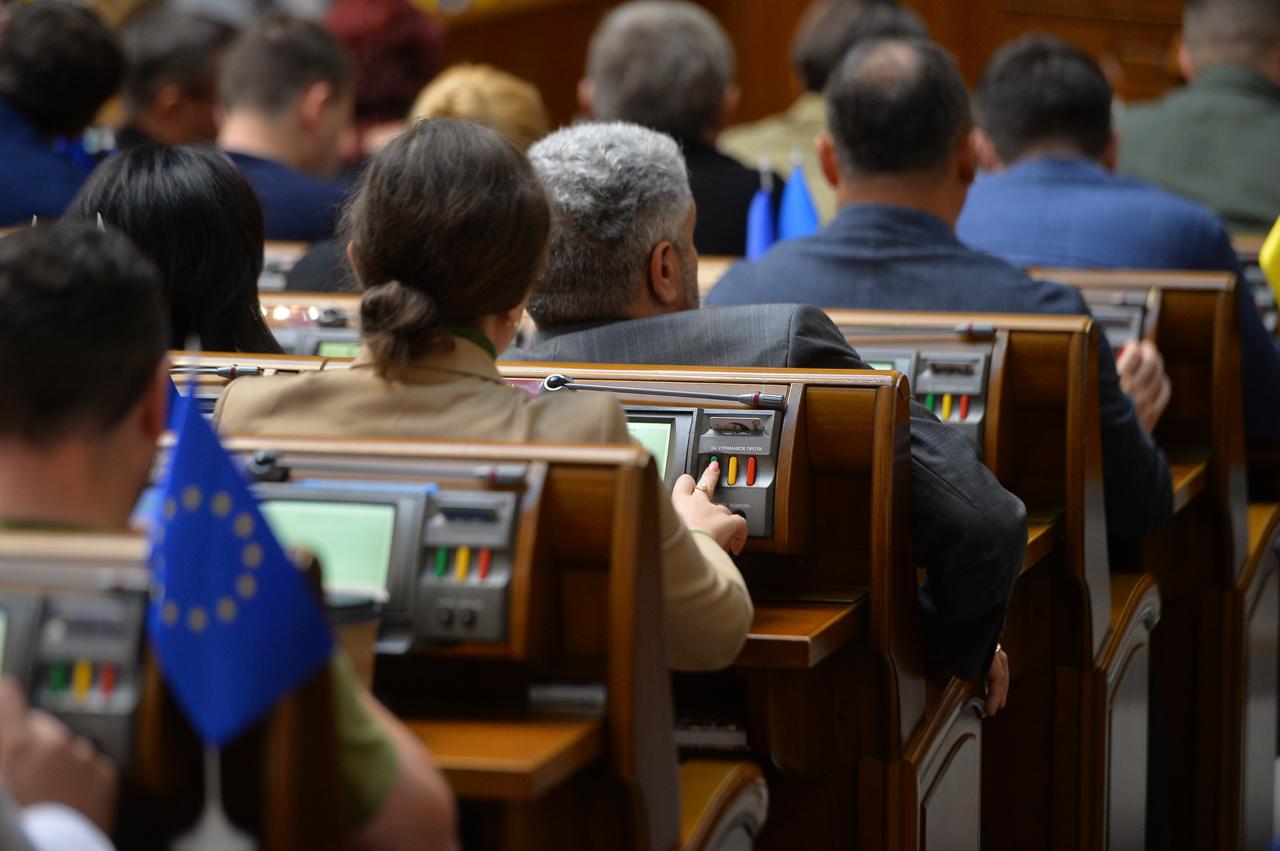
The Verkhovna Rada voted in the first reading on a bill regarding the taxation of activities on digital platforms. It applies to both Ukrainian and international digital services. The bill covers the provision of services, as well as the rental of real estate or vehicles.
234 members of parliament voted in favor of the government’s bill on taxing income from digital platforms. The bill will be revised before the second reading. This was announced by MP Yaroslav Zheleznyak, according to "Komersant Ukrainian".
This bill is one of the IMF’s requirements for Ukraine to receive funding.
“This is a revised text that we have significantly refined. Currently, it does not apply to used goods, does not involve special accounts, and does not provide access to banking secrecy. It is a good initiative, and I was happy to support it. We will continue to refine it before the second reading,” the MP wrote.
The document was presented by Finance Minister Serhiy Marchenko. He explained that the bill provides for the harmonization of Ukrainian legislation with EU standards, as well as the fulfillment of Ukraine’s obligations to the IMF.
“Currently, Ukraine lacks specific legislation for taxing digital platforms, which has a systemic impact on the country’s entire economy. Today, approximately 400,000 Ukrainians—primarily couriers and drivers—earn income on platforms such as Glovo, Uklon, Bolt, and Uber. Due to the lack of a legal framework, these individuals operate outside the tax system. Their income remains unreported. The bill proposes to introduce, effective January 1, 2027, basic requirements for the registration of platform operators and accountable sellers, as well as the submission of reports on income earned by sellers through these platforms,” he said.
Changes to the draft
Before the vote in the session hall, the government’s proposal was revised. While the Cabinet of Ministers had submitted Bill No. 15111 to parliament, today, April 7, members of parliament supported in the first reading the alternative Bill No. 15111-d, which contains significant changes.
As previously reported by MP Yaroslav Zheleznyak, the document was significantly revised, taking into account comments from the business community and alternative proposals from MPs.
No special accounts
According to him, the updated version of the bill has become much more favorable to citizens and entrepreneurs.
“This is a revised text that we have significantly refined. It no longer applies to used goods, and there are no special accounts or access to banking secrecy,” Zheleznyak wrote on his Telegram channel.
Information exchange
No. 15111-d takes into account EU rules regarding the exchange of tax information on the sale of goods and the provision of services via digital platforms.
Preferential 5% rate — income that people receive through digital platforms (for example, for the self-employed) can be taxed at a simplified rate of 5%. However:
- this applies to income that does not correspond to the sole proprietor’s main business activity;
- the requirement to open special accounts and disclose banking secrecy is waived.
Tax Payment and Reporting
Platform operators from abroad (non-residents) will have simplified rules: reports can be submitted once a year through a special portal, and taxes paid monthly in foreign currency.
A preferential rate of 5% applies to annual income from digital platforms up to 834 “minimum wages” (approximately 7.2 million UAH).
Absence of an employment relationship—income from providing personal services through the platform does not create an official employment relationship between the platform and the seller.
When will the new rules take effect?
The new regulations are expected to take effect no earlier than January 1, 2027.
Implementation is possible only after the signing of an international data exchange agreement and the accession of other countries to it.
In practice, income taxation will not begin until 2028 (based on the results of the 2027 reporting year).
As a reminder, on March 10, the Verkhovna Rada of Ukraine failed to pass the previous draft law No. 14025 on the taxation of digital platforms—the document received only 168 votes, falling short of the required 226.
The International Monetary Fund expressed concern regarding further financing for Ukraine under the $8.1 billion program. The reason was the delay in adopting the decisions necessary to receive these funds, as the draft law on the taxation of digital platforms is one of the IMF’s key “beacons.”
Meanwhile, the Cabinet of Ministers of Ukraine has begun preparing a new package of tax changes. Instead of a single bill, they decided to draft three separate documents, while the initiative regarding VAT for sole proprietors has been temporarily shelved and will not be submitted to parliament for now.