An Odesa resident was sentenced to more than 5 years in prison for launching fireworks. But this happens very rarely
3 January 2025 14:21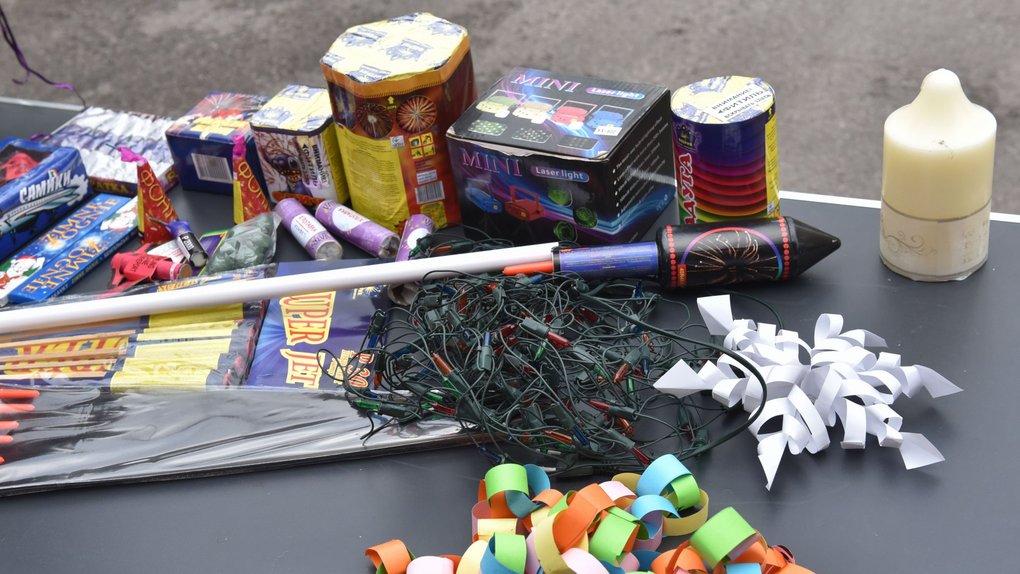
ukrainians have received 44 sentences for launching fireworks since February 24, 2022. Most of them are fines, but there are both suspended and real prison terms. This is reported by Opendatabot, citing data from the search service Babusya, "Komersant Ukrainian" reports.
Opendatabot states that the number of fireworks launches with unpleasant consequences is growing. While in 2022, according to the search service, only 5 precedents were recorded, in 2023 17 cases were added, and in 2024 – 22. 52% of the verdicts were real criminal cases. In the rest of the cases, the court imposed fines and suspended sentences (correctional labor, etc.). The largest number of celebrations with fireworks over the past three years took place in Kyiv – 11 sentences. This is followed by Dnipro and Odesa regions – 6 and 5 cases respectively.

Launching fireworks has long been banned
Since the beginning of the full-scale invasion, Ukrainians have been banned from using pyrotechnics. And on November 6, 2023, Law No. 7438 came into force, prohibiting the use and distribution of most fireworks, fireworks and firecrackers. It was then that Ukrainians began to be actively prosecuted.
At the end of December 2024, the National Police traditionally reminded that pyrotechnics, fireworks, salutes, and firecrackers are prohibited during martial law. They explained that pyrotechnic products create noise and light effects similar to the sounds of explosions and can frighten people and animals experiencing the horrors of war. This harms the psychological health of the population.
How can you be punished for launching fireworks
The police emphasize that the illegal sale and illegal handling of pyrotechnic products is subject to administrative (under Articles 182, 195-6, 159, 160, 164 of the Code of Administrative Offenses) and criminal liability (Article 296 of the Criminal Code). The sanctions of the articles of the Code of Administrative Offenses provide for punishment in the form of a fine with possible confiscation of pyrotechnics, and the Criminal Code – from a fine to imprisonment.

Igor Yasko, attorney-at-law and managing partner of Winner Law Firm, explained in a comment to RBC-Ukraine what kind of punishment these articles provide for.
The Criminal Code of Ukraine (Article 296): hooliganism with the use of pyrotechnics is punishable by a fine of UAH 17,000 to 34,000, arrest for up to 6 months or imprisonment for up to 5 years.
Code of Ukraine on Administrative Offenses:
art. 164: a fine for violation of the order of economic activity is UAH 17,000-34,000 with possible confiscation of products,
art. 182: UAH 85 to 255 for violation of silence or noise, UAH 510 for repeated violation with confiscation of pyrotechnics,
art. 195-6: for violation of the rules for handling pyrotechnics – from UAH 595 to UAH 1,020, repeated violation – up to UAH 1,700 with confiscation.
Some Ukrainians have already been “honored” with similar attention from law enforcement
For example, in June last year, the Kyiv police initiated criminal proceedings under Part 1 of Article 296 of the Criminal Code of Ukraine (hooliganism) and served a notice of suspicion to an 18-year-old man who launched a firework from a high-rise window, explaining his actions by wanting to check the serviceability of a pyrotechnic that had expired.

The use of pyrotechnics in Ukraine during the war is usually punishable by fines. But there are exceptions. Opendatabot recalled some “high-profile” cases.
In the Poltava region, the offender was sentenced to 40 hours of community service for launching pyrotechnics. This happened because the defendant had previously been brought to administrative responsibility – the court recognized this as an aggravating circumstance.
Another man from Mykolaiv began 2024 with a suspended sentence for a year because he launched fireworks during an air raid, which frightened the local population who heard the explosions.
A man from Odesa received an even more serious punishment in February 2023 – imprisonment for 5 years and 3 months. However, in this case, the offender’s existing suspended sentence played a decisive role.