G7 ambassadors react to the law on NABU and SAPO
26 July 2025 06:59
The ambassadors of the G7 countries have expressed support for the commitment of Ukrainian President Volodymyr Zelenskyy to restore the independence of the National Anti-Corruption Bureau of Ukraine (NABU) and the Specialized Anti-Corruption Prosecutor’s Office (SAP). This is stated in an official statement by the group members, "Komersant Ukrainian" reports
The statement emphasizes that progress in the fight against corruption and the development of the rule of law is not only a key requirement of Ukrainian society, but also an important condition for European integration and improvement of the business climate in the country.
The diplomats assured that they would closely monitor the developments. They also emphasized their expectation that the new draft law will be adopted as soon as possible.
1/2 G7 ambassadors welcome the President’s commitment to quickly restore and ensure the independence of anti-corruption bodies. Further progress in anti-corruption and rule of law reforms is a requirement of 🇺🇦 society, a prerequisite for EU integration and key for the business climate.
– G7AmbReformUA (@G7AmbReformUA) July 25, 2025
Ukraine restores independence of NABU and SAPO: what is stated in the draft law
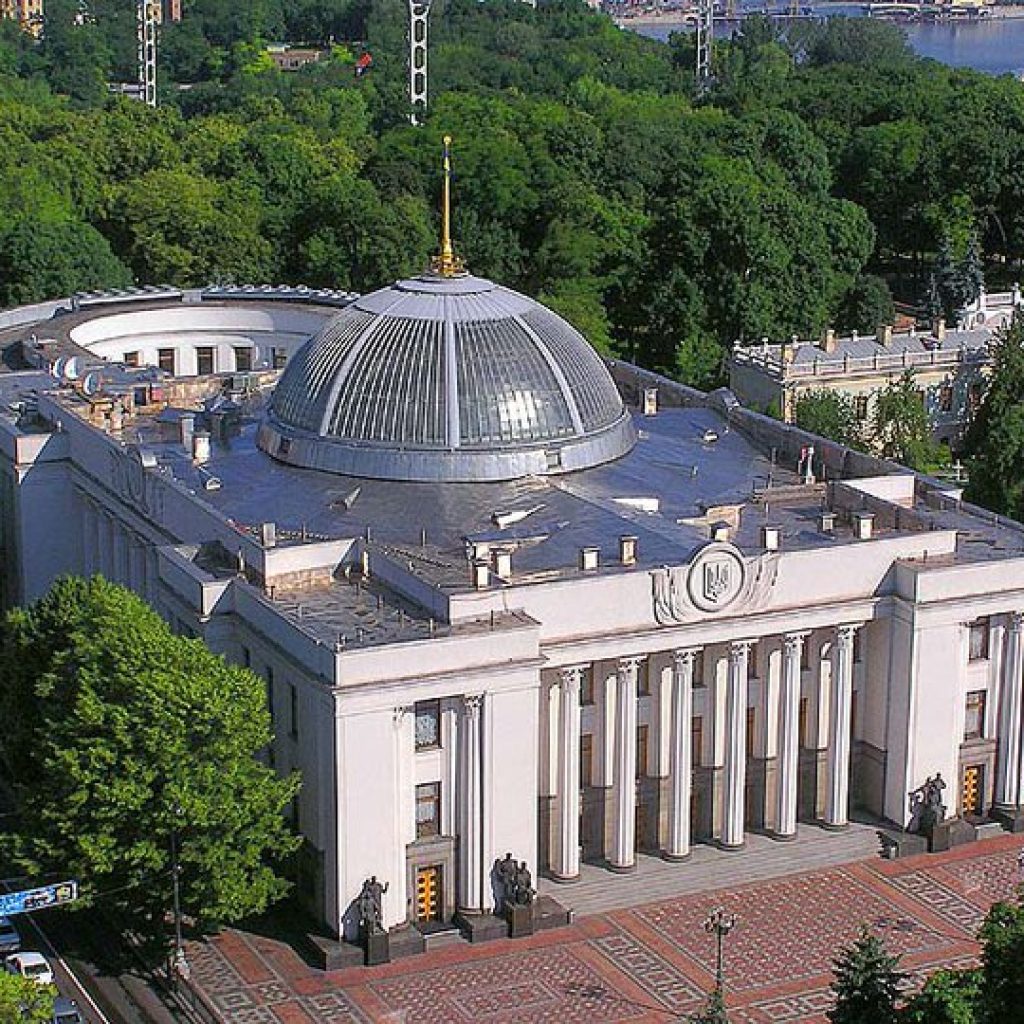
The text of the draft law, which is currently being considered by the relevant body – the Verkhovna Rada Committee on Law Enforcement – refers to the existence of potential risks in the current version of the Criminal Procedure Code, which, according to the initiator, may affect the effectiveness of the anti-corruption infrastructure and pose threats from the aggressor state.
The draft law provides for amendments to the Criminal Procedure Code of Ukraine and a number of related laws to legally enshrine the institutional independence of the SAPO in procedural management of investigations under the jurisdiction of the NABU.
In addition, the document contains provisions that should strengthen the protection of anti-corruption bodies from external influence, in particular by introducing new counterintelligence and preventive mechanisms aimed at neutralizing threats from foreign intelligence services.
The draft law is aimed not only at legalizing the independence of specialized institutions, but also at restoring public and international partners’ trust in the system of investigating corruption crimes. Particular emphasis was placed on strengthening the principle of inevitability of punishment and ensuring transparency of anti-corruption activities.
The explanatory note states that the draft law is based on current legislation, in particular:
- The Constitution of Ukraine,
- The Criminal Code,
- The Criminal Procedure Code,
- the law “On the Prosecutor’s Office”
- the law “On NABU”
- the Law on the Security Service of Ukraine,
- other legal acts regulating the activities of anti-corruption and law enforcement agencies.
The authors of the document emphasize that the implementation of the initiative will not require additional funding from the state budget. The adoption of the law is expected to strengthen the political neutrality of anti-corruption structures, increase their accountability to society and relevant state institutions, and ensure openness to democratic control.
Read also: Draft law to restore independence of NABU and SAPO is ready in the Rada
Why did the draft law No. 13533 appear?
The new draft law was preceded by a conflict situation around draft law No. 12414. It was initiated by MPs Maksym Pavliuk, Viacheslav Medianyk, Oleksandr Bakumov, and Serhii Minko.
The document was registered in the Verkhovna Rada on January 16, 2025. On April 29, the bill was adopted as a basis. On Tuesday, July 22, the law was adopted (263 MPs pressed the green button) and sent to the President of Ukraine for signature.
Officially, the document concerns amendments to the Criminal Procedure Code regarding the investigation of disappearances under special circumstances during martial law. But, according to MP Anastasia Radina, it has been amended to actually subordinate the NABU and the SAPO to the Prosecutor General.
In particular, the law gives the Prosecutor General the following powers
- access to all NABU cases and delegate this access to other prosecutors;
- provide written instructions to NABU detectives and change the jurisdiction of cases;
- to independently resolve disputes over jurisdiction and sign suspicions to top officials;
- exclusively decide who is part of the group of prosecutors, depriving the head of the SAPO of this right;
- to close investigations at the request of the defense.
On the eve of the adoption of the draft law, the SBU and the Prosecutor General’s Office announced that they had exposed Russian influence on the NABU. According to law enforcement officials, some NABU employees are accused of treason, illegal trade with Russia, and working in the interests of oligarchs. In total, at least 70 searches were conducted.
The document adopted and signed in “turbo mode” caused a flurry of criticism from both Ukrainian activists and parliamentarians, as well as from representatives of the European Union, who see dangerous trends related to corruption and authoritarianism in limiting the powers of the NABU and the SAPO.