Beer tradition under pressure: why Germans are drinking less beer
4 February 16:28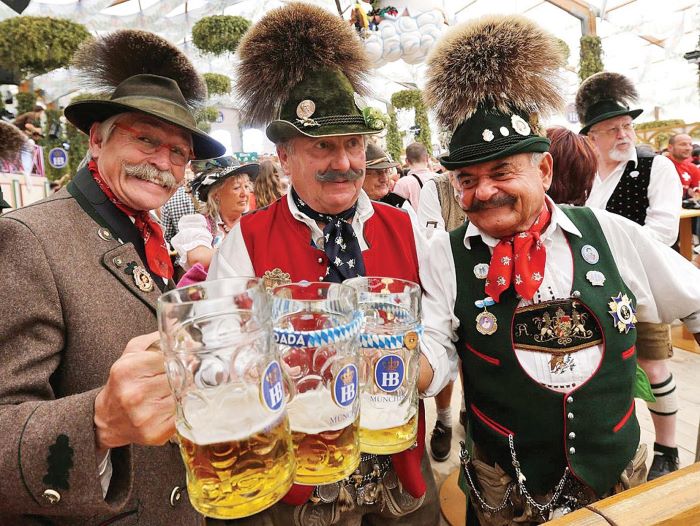
Beer sales in Germany fell to their lowest level in more than 30 years in 2025. According to the Federal Statistical Office, total sales fell below 8 billion liters for the first time since 1993.
This was reported by Politico, according to "Komersant Ukrainian".
How sharp was the decline?
According to industry estimates, this is the sharpest annual decline in sales since records began. More than 80% of beer was sold on the domestic market, with the rest going to export.
However, official statistics do not include non-alcoholic beer and malt beverages, which significantly affects the overall picture.
Non-alcoholic beer is replacing classic beer
Representatives of the brewing industry attribute the decline primarily to the growing popularity of non-alcoholic beer and an overall decrease in alcohol consumption.
The German Brewers Association notes that non-alcoholic beer is the most dynamic segment of the market. According to its data:
- non-alcoholic beer already accounts for about 10% of total sales;
- it ranks third in popularity among all beer categories in the country.
Young people and health are changing the market
Anke Rellinger, Prime Minister of the federal state of Saarland, who served as the symbolic “beer ambassador” in 2025, considers the decline in consumption to be part of a broader social trend.
“Alcohol consumption is declining, especially among young people, which is of course good for public health,” she said.
At the same time, Rellinger emphasized that brewing remains an important part of German culture, which strives to combine tradition with innovation.
Changes are taking place against the backdrop of tighter regulation of the alcohol market in Europe
Changes in consumer habits are taking place against the backdrop of tighter regulation of the alcohol market in Europe.
In Latvia, stricter rules on the sale and advertising of alcohol came into force in August.
In Germany, surveys have shown that the majority of citizens support tighter restrictions on young people’s access to alcohol.
In Lithuania , parliament has previously considered proposals to restrict the sale of non-alcoholic beverages styled to resemble alcohol to minors.
What this means for the industry
For German breweries — some of the oldest and most influential in Europe — the situation means a need to rethink their business models.
Companies are increasingly investing in:
- non-alcoholic product lines;
- new flavors and formats;
- positioning beer as part of a lifestyle rather than a mass-market alcoholic beverage.