The Rada has passed a law on the digitization of enforcement proceedings
7 April 19:55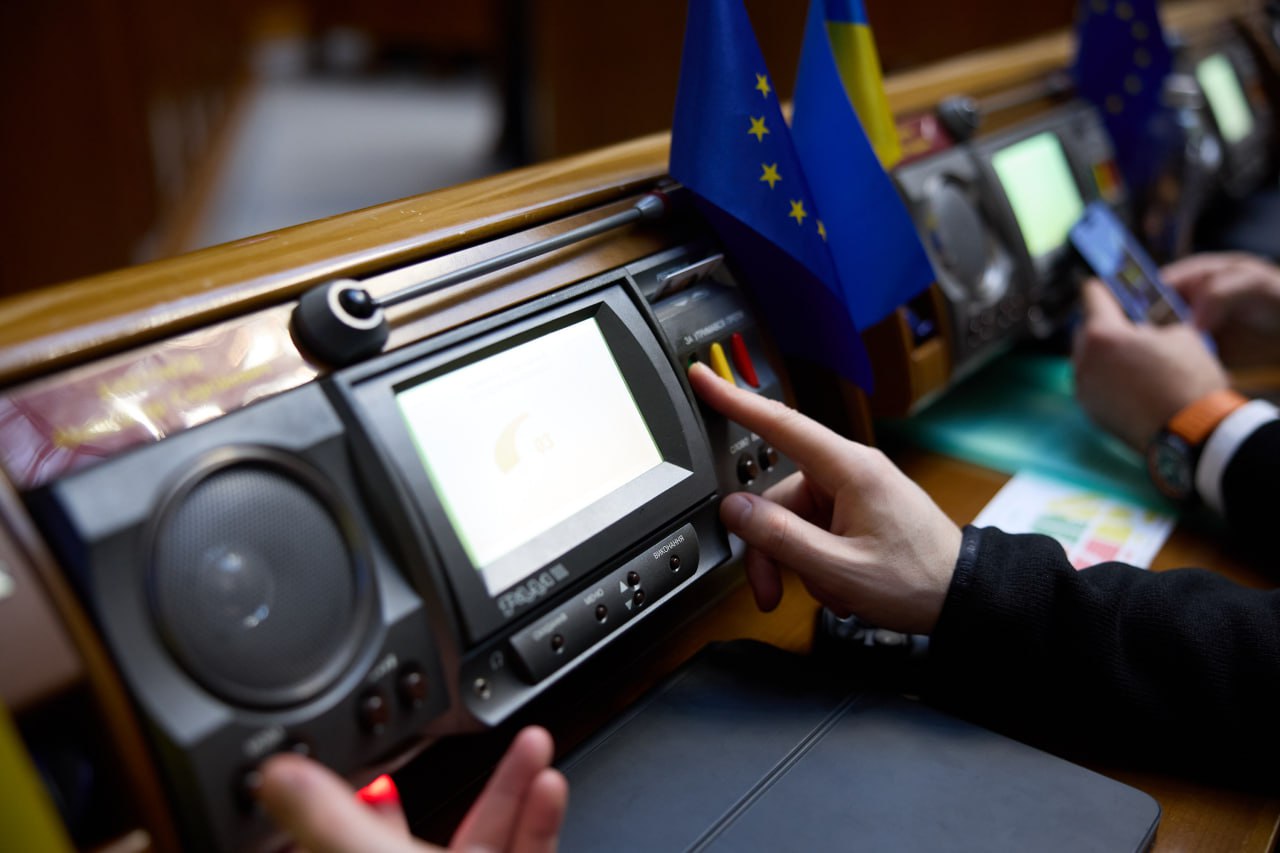
The Verkhovna Rada of Ukraine has passed a law aimed at simplifying the enforcement of court rulings through digitalization.
Bill No. 14005 was passed by 250 members of parliament, according to "Komersant Ukrainian".
The document is also one of the indicators of the implementation of the Ukraine Facility Plan.
What the law provides for
The purpose of the document is to accelerate the enforcement of court decisions and make the process more automated.
The law amends a number of regulatory acts, including:
- procedural codes;
- laws on banks, notaries, and mortgages;
- legislation on state registries;
- the law on enforcement proceedings.
This is intended to create a unified digital system for interaction between courts, enforcement officers, banks, and state registries.
Electronic enforcement documents
One of the key changes is the transition to electronic enforcement documents.
Court decisions and other documents may be issued:
- as electronic files;
- with a qualified digital signature.
This will allow documents to be instantly transmitted to the enforcement service without paper-based document flow.
New Automated Enforcement Proceedings System
The law provides for the creation of an updated automated enforcement proceedings system (AEPP).
The system must:
- automatically distribute cases among state enforcement officers;
- generate procedural documents;
- send notifications to the parties to the proceedings;
- obtain information from state registries.
In particular, enforcement officers will be able to quickly obtain data on debtors’ property, income, and bank accounts.
Strengthening control over debtors
The document also expands the use of the Unified Register of Debtors.
The system will automatically check whether a person is listed in this registry during important legal proceedings.
If a person or company is listed in the registry:
- notaries may refuse to sell or transfer property;
- MIA service centers will not be able to re-register vehicles.
An exception is possible if the sale is made to repay a debt.
New requirements for banks
Banks will face additional obligations in their interactions with enforcement officers.
Specifically, they must:
- report the opening and closing of debtors’ accounts;
- provide information on transactions and account balances.
This should help locate debtors’ assets more quickly and ensure the enforcement of court decisions.
Automatic data exchange
The law also provides for the automatic exchange of information between state registries.
Specifically, this involves integration with:
- the vehicle registry;
- the real estate registry;
- other state databases.
Thanks to this, property seizures or their cancellations can be imposed almost instantly.
The reform of enforcement proceedings is part of broader changes related to Ukraine’s European integration.
Earlier, the Verkhovna Rada of Ukraine also passed a law harmonizing the technical regulation and accreditation system with European Union standards—a so-called step toward “industrial visa-free travel.”