Orban’s adviser says Hungary would not resist Russia if it came to conquer it
27 September 2024 20:12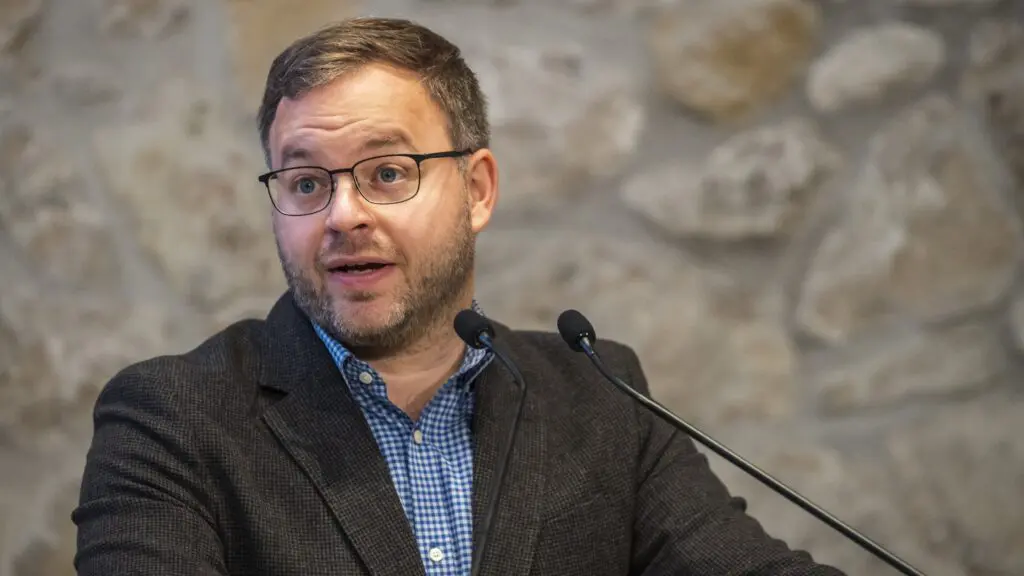
Balázs Orban, the chief political adviser to Hungarian Prime Minister Viktor Orban, has caused a scandal in Hungary with his statements about a hypothetical Russian invasion of their country. In his interview, he suggested that Hungary would not resist if Russia tried to conquer it, drawing parallels with the current situation in Ukraine, reports "Komersant Ukrainian"
“Given the events of 1956, we probably wouldn’t have done what President Zelensky did 2.5 years ago, because it is irresponsible. [Zelenskyy] has dragged his country into a defensive war, and many lives and territories have been lost,”
– the advisor said.
Balázs Orbán also noted that if Ukraine had asked Hungary for advice, they would not have recommended resistance, again, “based on what happened in 1956”.
These comments caused a wave of outrage in Hungary, especially among the opposition. Opposition leader Péter Magyar called the adviser’s words “scandalous and treacherous”, adding that he had “humiliated the memory of thousands of Hungarian freedom fighters”.
Prime Minister Viktor Orban was also forced to respond to his advisor’s scandalous statements, calling them a “mistake” and an “ambiguous statement”. In a speech on national radio, he stressed that it was important to speak “very carefully and clearly” about such sensitive issues. The prime minister stressed that the Hungarian community “stands on the basis of the 1956 revolution” and that Hungary, as in the past, “will always defend itself”.
Follow us on Telegram: the main news in a nutshell
What happened in 1956 in Hungary
In 1956, events took place in Hungary that were called the Hungarian Revolution – a popular uprising against the communist regime in the Hungarian People’s Republic. It began on 23 October 1956 with a student protest in Budapest, which quickly grew into a nationwide uprising. People demanded political reforms, the withdrawal of Soviet troops and a return to democratic rule. However, the authorities, together with the ÁVH state security forces, began to suppress the demonstrations by force, which led to massive clashes.
In response to these events, the Soviet Union decided to intervene. The first Soviet intervention took place on 24 October 1956, when Soviet troops were deployed to Budapest to “restore order” after the Hungarian state security service began shooting at demonstrators. However, Hungarian resistance continued, and only on 1 November was a temporary ceasefire agreed upon. The key figure in the revolution was Imre Nagy, who was appointed prime minister in response to the protesters’ demands. He announced his intention to withdraw the country from the Warsaw Pact, which triggered a new Soviet intervention.
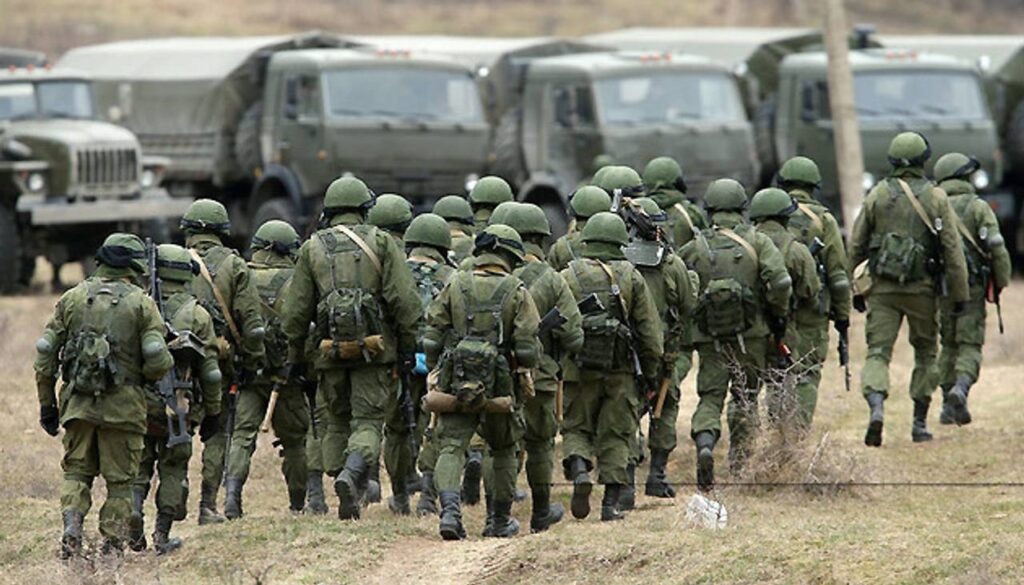
on 4 November, Soviet troops intervened for the second time, launching a large-scale offensive on Budapest with tanks and artillery, which led to the final suppression of the uprising. The consequences of these events had a huge impact on Hungary and the international community. More than 2,500 Hungarians were killed, tens of thousands were wounded, and about 200,000 people fled the country. The revolution also undermined the prestige of the Soviet Union in the West, as many intellectuals who had been sympathetic to communism were shocked by Soviet violence.
Follow us on Telegram: the main news in a nutshell