Russia may lose billions of dollars in investments in Venezuela due to Maduro’s overthrow
4 January 06:17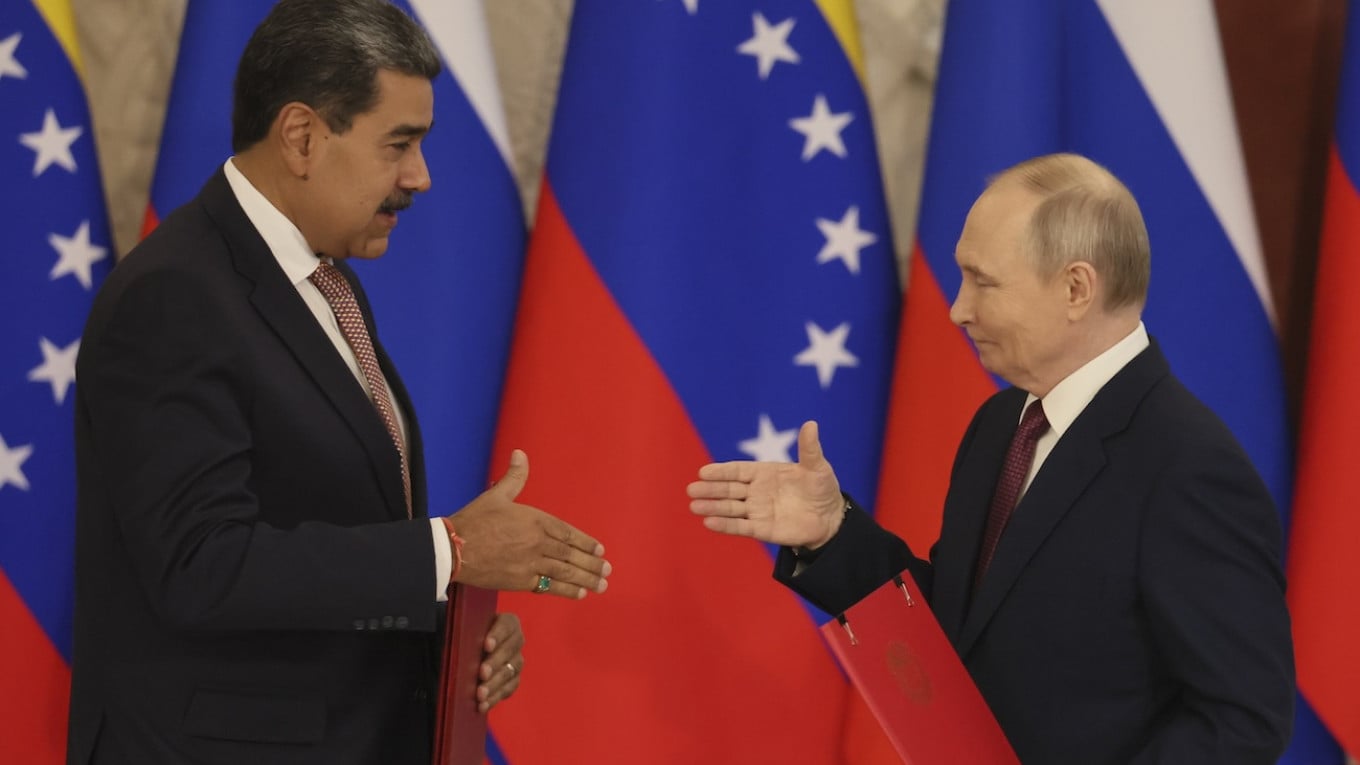
The fall of Nicolas Maduro’s regime, which was captured by U.S. special forces, has left the fate of billions of dollars in investments and loans that Venezuela received from Russia up in the air.
According to Reuters, from 2006 to 2017, the Kremlin allocated a total of $17 billion to the Venezuelan government and the country’s state oil company PDVSA, "Komersant Ukrainian" reports.
Maduro’s predecessor Hugo Chavez received the first money – $2.2 billion – in 2009, when he signed a contract for the purchase of Russian weapons – T-72 tanks and S-300 anti-aircraft systems. After 8 years, Venezuela already owed Moscow $3.5 billion, which it could not repay due to the economic crisis and sanctions. In 2017, Vladimir Putin and Maduro agreed to defer payments on this loan for 10 years, with the principal amount to be paid in 2024-27.
In the late 2010s, Rosneft became Maduro’s largest creditor, and in exchange, it received stakes in major oil projects in Venezuela. Maduro’s government used Russian money to avoid a debt default by paying the Kremlin with oil, which Rosneft resold on the world market, sources told Reuters. In 2020, after the imposition of sanctions on PDVSA, Rosneft sold all its assets in Venezuela to a specially created state-owned entity, Roszarubezhneft, which is wholly owned by the state.
Now the fate of Venezuelan oil fields is in the hands of Donald Trump’s administration, which has accused Venezuela of “stealing” oil from the United States. “We built the Venezuelan oil industry with American talent, hard work, and skill, and a socialist regime stole it from us,” Trump said. He added that the United States intends to rebuild Venezuela’s infrastructure and “sell a lot of oil,” particularly to other countries.
According to Trump, there will be no problems with Russia because of the operation in Venezuela, and he has “never” discussed Maduro’s fate with Putin.
The swift U.S. operation, which, according to the Associated Press, lasted only about half an hour, provoked a scant reaction in Moscow. The Foreign Ministry expressed “deep concern” over the US strikes on Venezuelan territory and “serious concern” over reports of Maduro’s arrest. It also demanded the release of Maduro and his wife, Cecilia Flores, who face several life sentences in the United States.
Putin, on the one hand, as a fellow authoritarian, identifies with Maduro – and in this sense is outraged and frightened – and on the other hand, as the leader of a country that claims to be a superpower, Putin associates himself with Trump – and in this part is terribly jealous now, says political scientist Abbas Gal.
“This will be a very difficult day for the leaders of the Russian power bloc. There will be a lot of cries of “why can they do it and you can’t?!”,” writes Gallamov.