Russia raises customs duties after revenue slump: imports become more expensive, businesses will pay more
21 January 16:03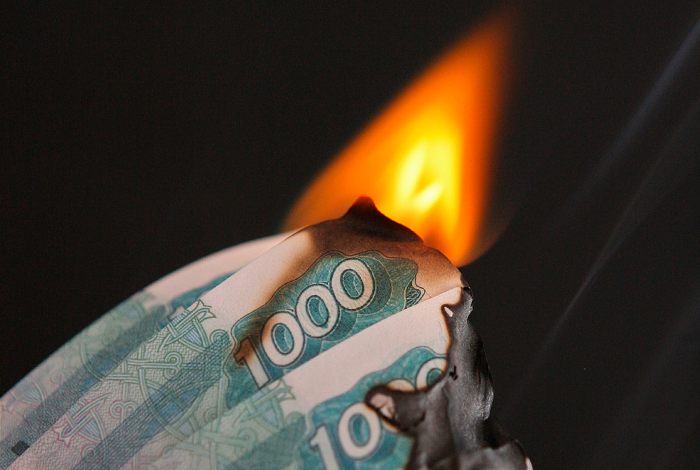
On January 1, the Russian government sharply revised its customs clearance tariffs for imports. This decision was a direct response to the decline in revenues of the Federal Customs Service, which, according to the results of 2025, fell short of its planned revenues by about 20% — the worst indicator since 2020.
This was reported by the Foreign Intelligence Service of Ukraine, according to "Komersant Ukrainian".
Why Moscow is changing the rules
According to intelligence reports, the reduction in customs duties is taking place against the backdrop of an overall decline in Russia’s export revenues, particularly from the sale of energy resources. In response, the Kremlin has opted for a fiscal model that shifts the financial burden to importers and the domestic market.
The new tariffs are intended to quickly fill the budget, but they create additional pressure on businesses and consumers.
What exactly has become more expensive
According to the updated rules:
- customs duties on small and medium-sized import consignments have increased by 15%;
- for large consignments of goods worth more than $128,000, the fixed rate per declaration has been increased by 147% — from $380 to $940.
The most painful changes have affected radio electronics. For chips, microcircuits, telecommunications equipment, and computer components, a single tariff of $940 has been introduced, regardless of the size of the shipment. In a number of cases, this means a 2.5-fold increase in fees compared to 2025.
Even mass-market consumer goods containing electronic components may be subject to the new rates.
Consequences for the economy and consumers
It is estimated that the additional cost of customs clearance for one container averages about $500. This, in turn, translates into an increase in consumer prices of approximately 1.5%.
The import of microelectronics in small batches is becoming a separate problem. High fees effectively block the supply of samples for testing and certification, pushing the industry toward technological degradation. Businesses are forced to either artificially increase batch sizes, losing flexibility in supply, or abandon niche and specialized products due to their unprofitability.
The Foreign Intelligence Service notes that this is yet another attempt by the Russian authorities to patch up budget holes at the expense of business.
“Against the backdrop of declining export revenues, the state is shifting the fiscal burden to imports and the domestic market, deliberately creating additional inflationary pressure,” the intelligence service emphasized.
Earlier, it was also reported that at the end of 2025, the Russian government minimized public spending in an attempt to keep the budget deficit within the updated targets amid falling oil revenues.