Russian Su-30SM fighters continue to fly thanks to French technology supplied via Kazakhstan – investigation
12 September 2024 12:48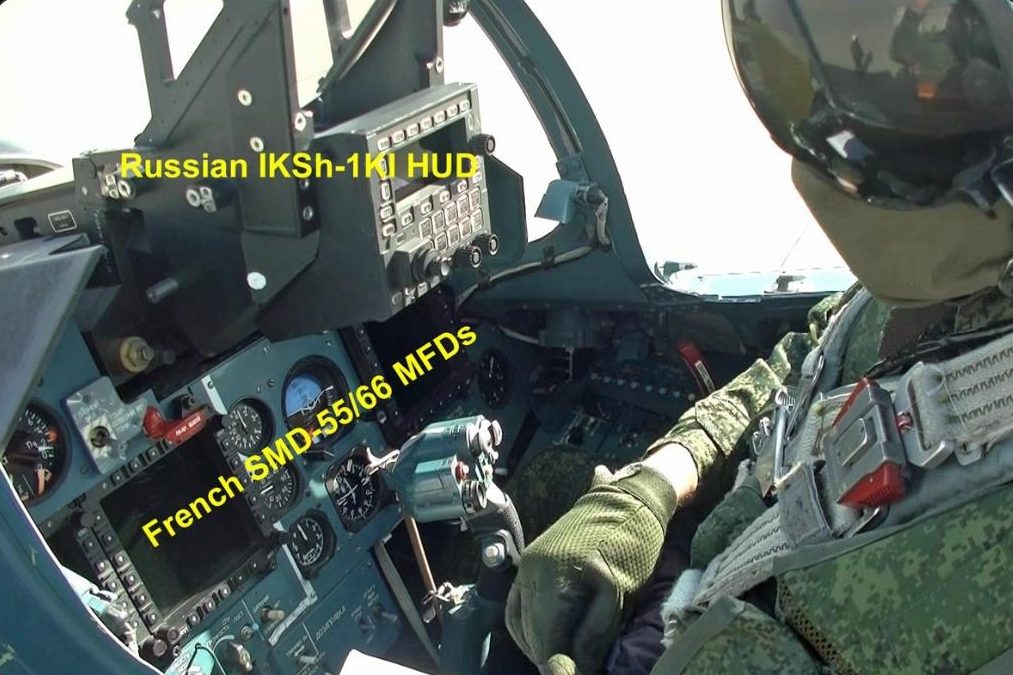
Despite international sanctions aimed at stopping Russia’s military aggression, the country continues to maintain its Su-30SM fighter jets through schemes that bring French technology to Russia through Kazakhstan. This is stated in the investigation of the international community InformNapalm, reports "Komersant Ukrainian"
According to the investigation, the key role in this process is played by the Kazakh company ARC Group, which cooperates with the Russian military and provides repair of critical equipment manufactured by the French companies Thales and Safran.
French equipment on the Su-30SM
The Su-30SM aircraft are equipped with key French technologies, including Thales SMD55S multifunctional displays, TLS2020 radio system and Safran’s SIGMA 95NAA navigation system. Without this equipment, aircraft lose their combat capability. Instead of import substitution, which Russia tried to implement earlier, it turned to Kazakhstan for help.
Bypassing sanctions through ARC Group
The Kazakh company ARC Group specialises in the repair of avionics for Su-30SM aircraft, including components supplied by the French Thales and Safran. The agreement of October 2021 between ARC Group and the Russian company Rosaviaspetscomplect provided for the repair and maintenance of equipment on Su-30 aircraft used by the Russian Air Force.
The Russians managed to circumvent the sanctions thanks to certified specialists from Kazakhstan who were trained by French companies and received certificates for the right to service French equipment. This allowed Russia to continue operating the aircraft for military operations, in particular against Ukraine.
ARC Group’s cooperation with Thales and Russia
The Kazakh company has been successfully cooperating with the French. Thus, in 2023, Kazakhstani specialists were trained by Thales, after which they were sent to aircraft repair plants in Russia to maintain Su-30SM aircraft.
Moreover, the contract between Thales and Kazakhstan’s Aircraft Repair Plant No. 405 provided for a full range of services for the maintenance of multifunctional displays and HUDs for Su-30SM aircraft, which are also in service in Kazakhstan. It included the supply of specialised maintenance equipment, training and support for three years.
Although the contract had strict export restrictions that prohibited the transfer of equipment to Russia, the Kazakh side actually used the equipment received from French companies to service Russian Su-30SMs. This is confirmed by ARC Group’s commercial proposals to the Russians, which were almost identical to the terms of the contract with Thales. The French company does not know or does not want to know about this cooperation between the Kazakhs and the Russians.
Details of the investigation can be found on the InformNapalm project website.
Follow us on Telegram: the main news in a nutshell
EU sanctions against Russia
The European Union has already imposed 14 sanctions packages against Russia in response to its aggression against Ukraine. The sanctions cover a wide range of measures aimed at weakening the Russian economy and limiting Russia’s ability to wage war.
Key sanctions include freezing the assets of Russian high-ranking officials, including President Putin, restricting Russia’s access to EU financial markets, a ban on imports of Russian energy (coal, oil), and restrictions on exports of dual-use technologies and goods that could contribute to Russia’s military capabilities.
The EU also imposed sanctions against Russian banks, excluding some of them from the SWIFT system, banned Russian ships and trucks from accessing EU ports and territory, and restricted the activities of Russian media in the Union. In addition, restrictions were imposed on investments in the Russian energy sector and a ban on the export of luxury goods to Russia.
The sanctions also target individuals and organisations involved in the aggression against Ukraine, including politicians, the military, businessmen and propagandists. The EU regularly expands its sanctions lists, adding new names and tightening existing restrictions.
The latest sanctions packages are aimed at combating sanctions circumvention, strengthening export and import controls, and restricting Russia’s access to technology and goods that could be used for military purposes. the 14th package of sanctions for the first time affected Russian gas, but did not hit it. The 14th package also introduced sanctions against Russia’s analogue of SWIFT.
Follow us on Telegram: the main news in a nutshell